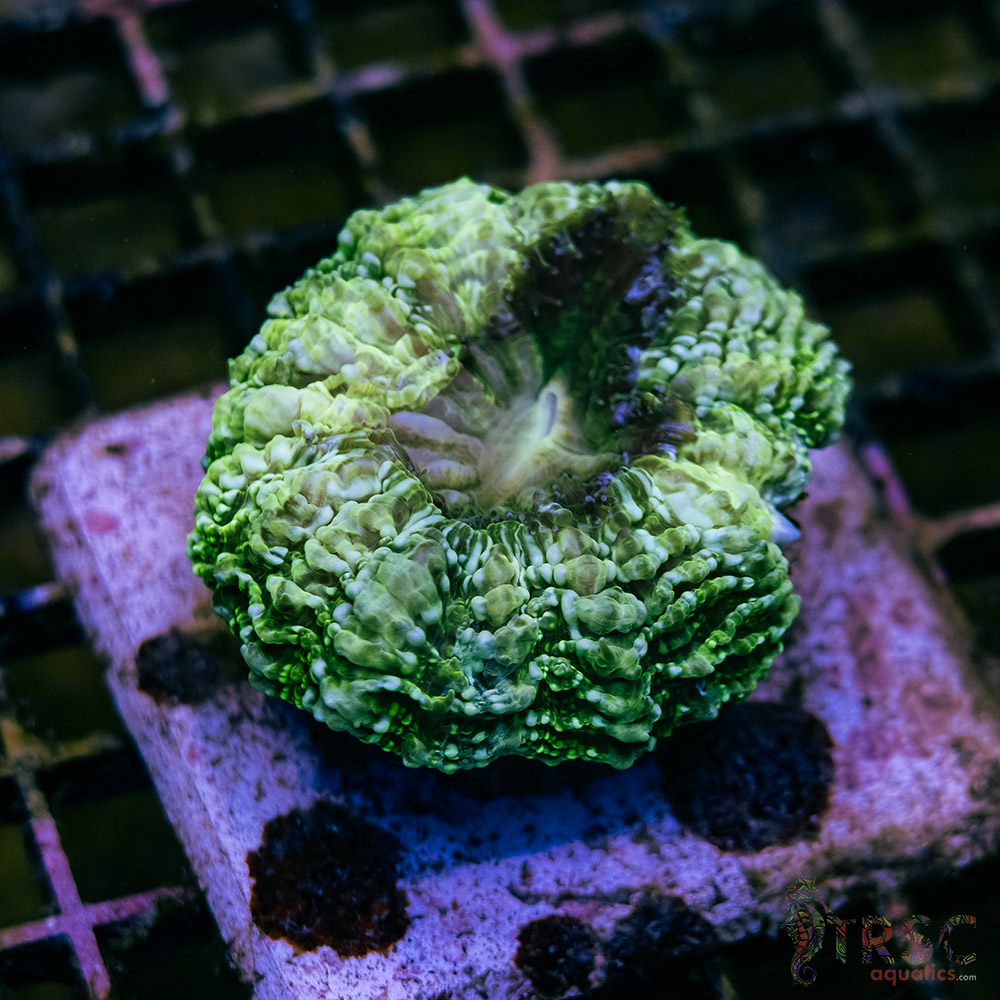
Green Mottled AUS Acantho A05
Market Intelligence
Based on 47 similar Acanthophyllia corals
Market insights from thousands of listings
About this coral
Acanthophyllia, Cynarina & Indophyllia Coral Care Guide
Comprehensive care tips for three of the most stunning large polyp stony (LPS) corals in the reef aquarium hobby.
Overview
Acanthophyllia, Cynarina, and Indophyllia are prized for their vibrant colors, fleshy polyps, and relatively peaceful nature. These LPS corals are ideal for intermediate to advanced reef keepers looking to add dramatic visual appeal to their tanks.
Tank Requirements
- Minimum Tank Size: 30 gallons
- Temperature: 76–80°F (24–27°C)
- Salinity: 1.024–1.026 SG
- pH: 8.1–8.4
- Alkalinity: 8–12 dKH
- Calcium: 400–450 ppm
- Magnesium: 1250–1350 ppm
Lighting Needs
These corals prefer moderate lighting. Too much intensity can cause bleaching, while too little may stunt growth. Use LED or T5 lighting and place them in shaded or lower areas of the tank if needed.
Water Flow
Low to moderate water flow is ideal. Strong currents can damage their delicate tissue. Ensure gentle, indirect flow to keep detritus from settling while allowing the coral to expand fully.
Placement Tips
Place these corals on the sandbed or a flat rock with plenty of space around them. Their fleshy polyps can expand significantly, and they may sting nearby corals with their sweeper tentacles.
Feeding and Nutrition
While they rely on photosynthesis via zooxanthellae, supplemental feeding enhances growth and coloration. Feed 1–2 times per week with:
- Powder Food
- Liquid Food
- Chopped seafood without scales
- Coral-specific frozen foods
Target feeding with a turkey baster or pipette is recommended. Avoid feeding anything with an outer shell that the coral may have difficulty breaking down.
Compatibility and Behavior
These corals are generally peaceful but can extend sweeper tentacles at night. Keep them away from aggressive corals like Euphyllia or Galaxea. Suitable tank mates include:
- Clownfish
- Gobies
- Blennies
- Cleaner shrimp
Differences Between Acanthophyllia, Cynarina, and Indophyllia
| Coral | Shape | Coloration | Growth Rate |
|---|---|---|---|
| Acanthophyllia | Round, fleshy, often solitary | Bright reds, greens, blues | Slow |
| Cynarina | Bubble-like, translucent tissue | Pinks, oranges, greens | Moderate |
| Indophyllia | Similar to Acanthophyllia, more lobed | Multicolor with striations | Slow |
Common Issues
- Tissue Recession: Often due to poor water quality or excessive flow.
- Bleaching: Caused by too much light or stress.
- Brown Jelly Disease: A bacterial infection—remove affected tissue and improve tank conditions.
Conclusion
Acanthophyllia, Cynarina, and Indophyllia corals are stunning centerpiece additions to any reef tank. With proper lighting, gentle flow, and regular feeding, these LPS corals will reward you with vibrant color and mesmerizing polyp movement.

Delivery options
Nationwide delivery available
Charlotte, NC
Listing stats
Market insights from thousands of listings
Compare Similar Acanthophyllia Corals
See how this listing stacks up against 47 other options
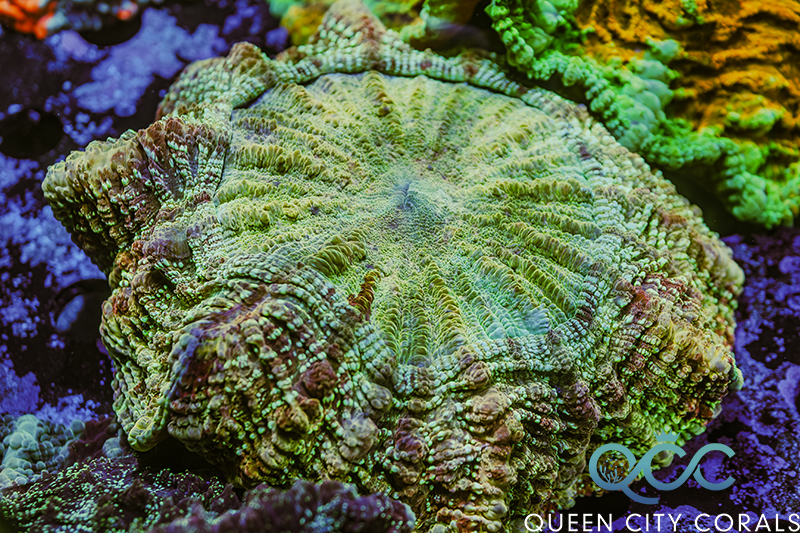
Celestial Shower Acanthophyllia (Meat Coral) – (WYSIWYG)


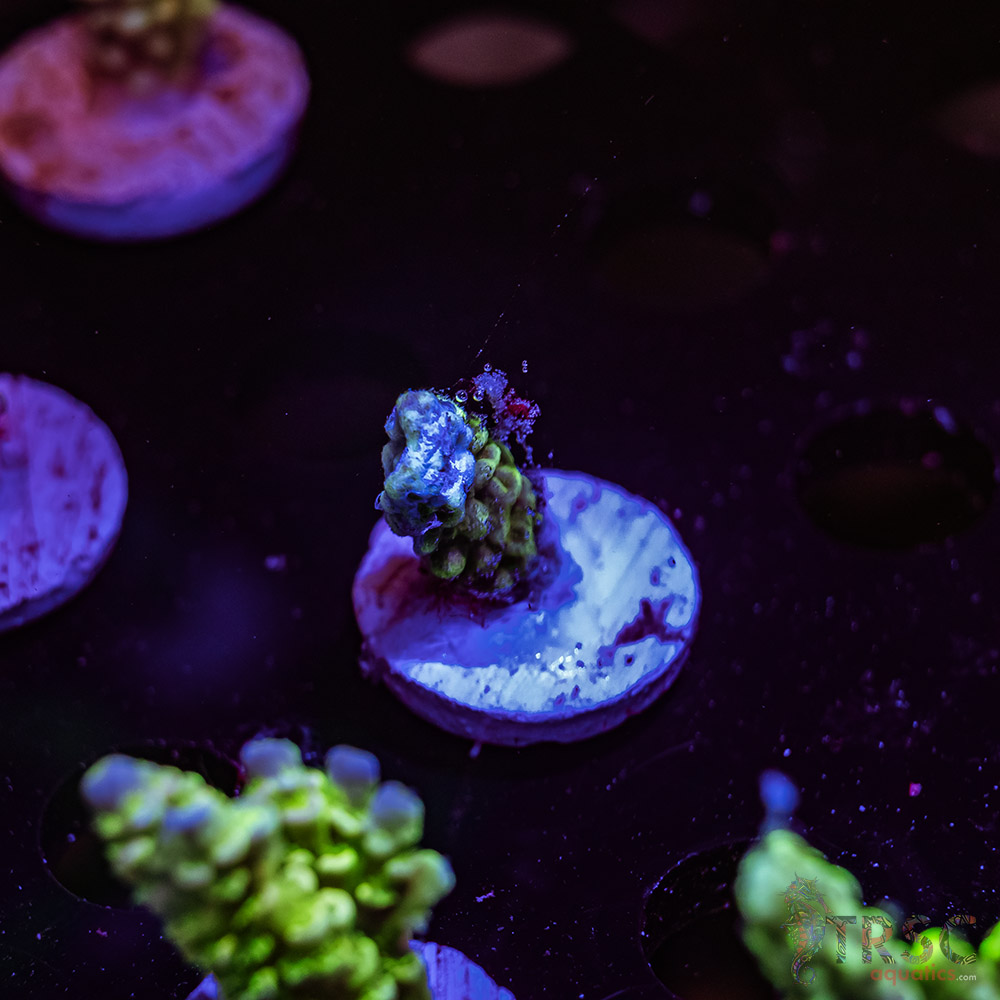
ULTRA RARE Acanthophyllia – COLLECTOR’S CORAL – INDO Gold and Green Glow Amazing Under Actinics! (Blue Video Inside!)


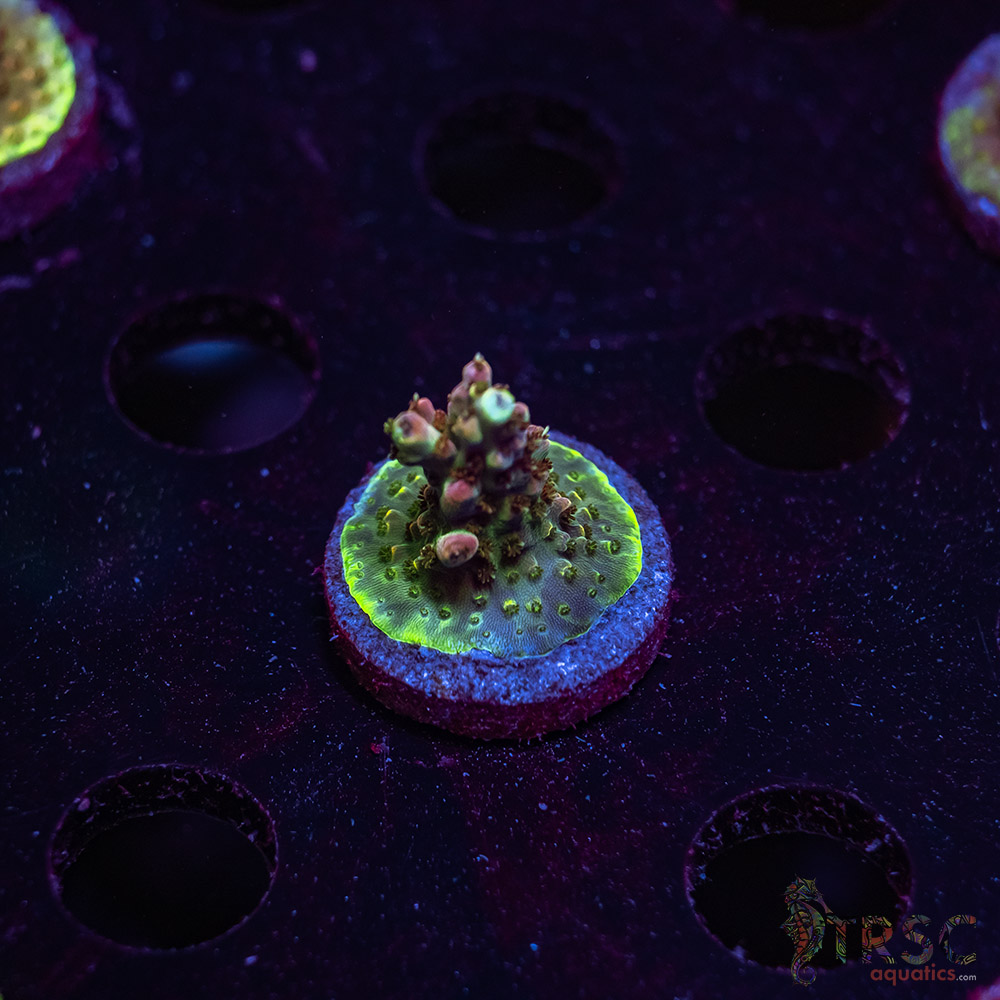
Acanthophyllia – Australia Green SPECKLED GLOWING! (Blue Video Inside!)

Ultra Acanthophyllia Coral

More from TRSC Aquatics
Explore 681 listings from this seller
Shop more types
Continue exploring thousands of corals available
Dive into Meta Reef
Discover corals and build your reef — all in one place.
Already have an account? Log in