
SPS Coral Care Guides
Explore care guides for Small Polyp Stony corals. From stunning acroporas and colorful montiporas to delicate birdsnests, learn everything you need to keep these demanding yet rewarding corals thriving.
About SPS Corals
Small Polyp Stony (SPS) corals are the pinnacle of reef aquarium keeping, renowned for their intricate branching and plating structures, vibrant colors, and rapid growth under optimal conditions. Unlike LPS corals, SPS feature tiny polyps that create delicate, skeletal formations—from the iconic branching of Acropora to the colorful plating of Montipora.
SPS corals are considered advanced specimens, requiring pristine water quality, stable parameters, high-intensity lighting, and strong turbulent flow. They thrive in mature reef systems with established calcium, alkalinity, and magnesium levels. Popular genera include Acropora, Montipora, Birdsnest, Stylophora, and Pocillopora.
While demanding, SPS corals reward dedicated reef keepers with stunning growth, brilliant fluorescence, and the satisfaction of maintaining one of nature's most complex ecosystems. Success requires patience, consistency, and attention to detail—but the results are breathtaking.
Popular SPS Corals
Start with these iconic and highly-coveted SPS species
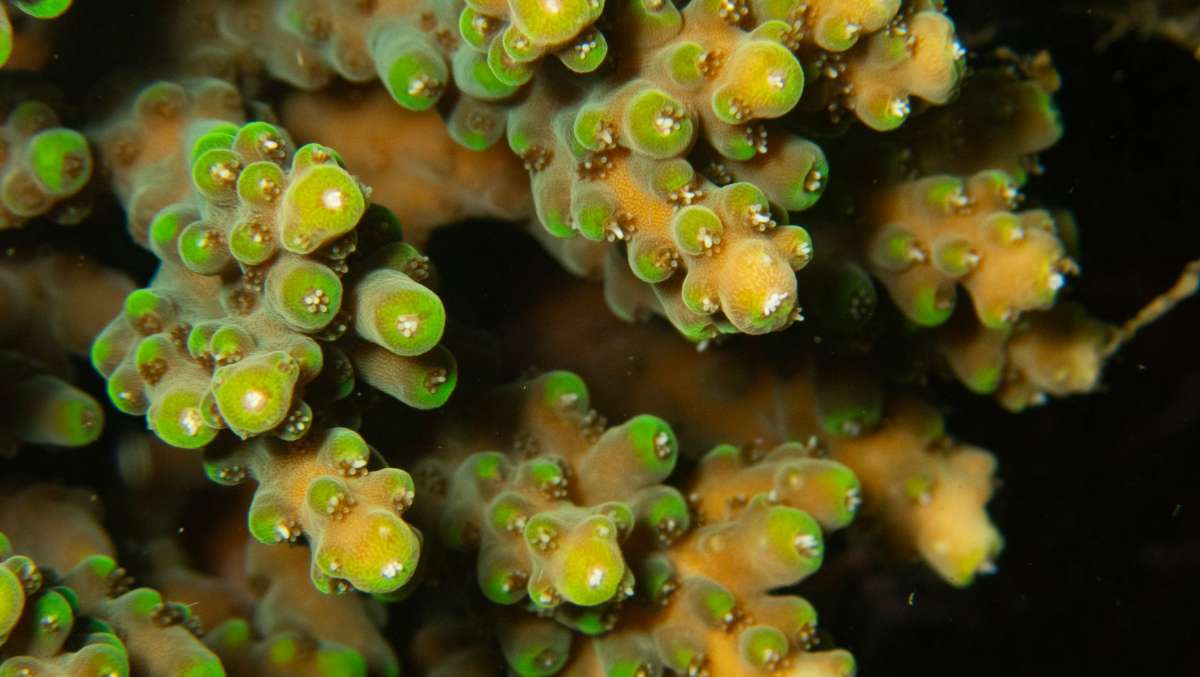
Acropora
Acropora (Acropora spp.) is a large polyp stony coral genus comprising over 150 species, making Acropora the most diverse and sought-after SPS coral group in the reef aquarium hobby. Acropora corals display remarkable growth forms including branching, tabling, staghorn, and bushy structures, with coloration spanning blues, pinks, greens, purples, and multicolor combinations that fluoresce under actinic lighting. Acropora typically thrives under high-intensity lighting of 250-400 PAR and strong, turbulent water flow. Acropora corals demand exceptionally stable water chemistry with minimal alkalinity fluctuations, making the genus suitable only for experienced reef keepers with mature systems running at least 6-12 months. Acropora colonies can grow rapidly under optimal conditions, though the genus remains highly susceptible to tissue necrosis (RTN/STN) and Acropora-specific pests including flatworms and red bugs.
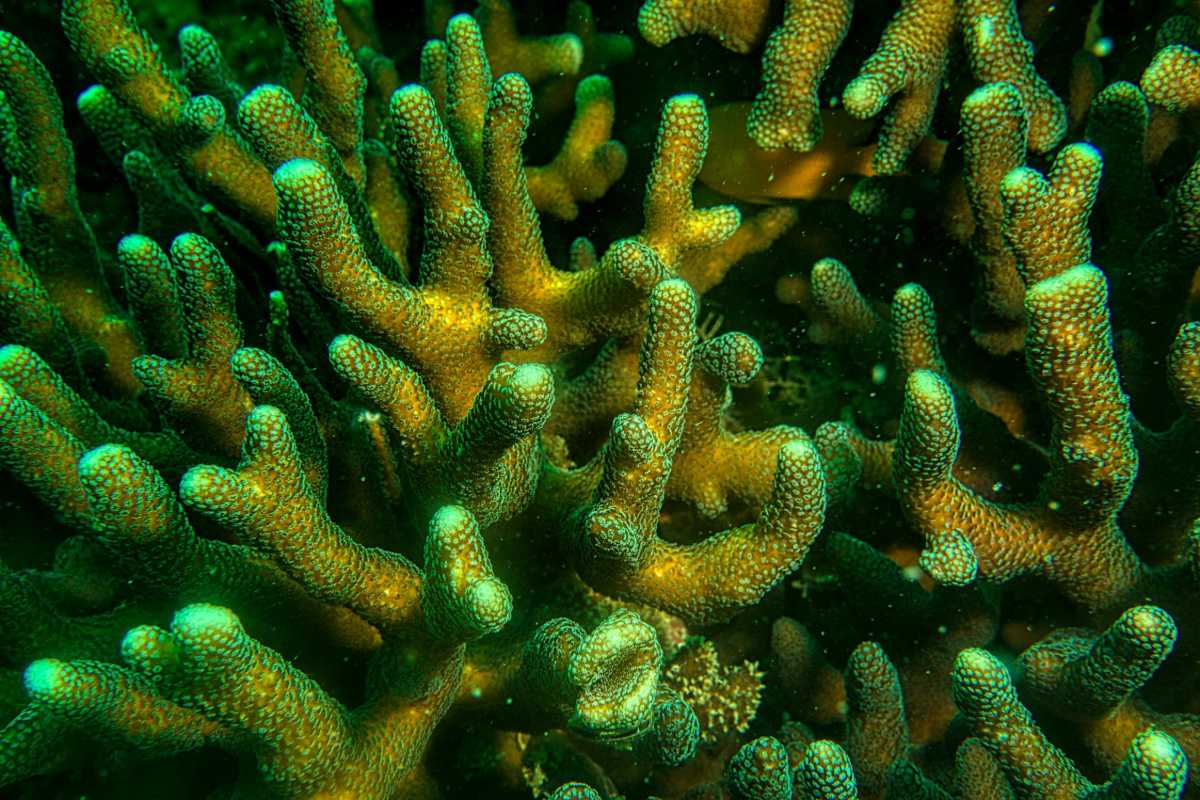
Birdsnest
Birdsnest Coral (Seriatopora spp.) is a fast-growing, branching small polyp stony (SPS) coral known for its delicate, intricate structure. Its thin, pointed branches can form dense tangles or open, tree-like shapes depending on variety and flow conditions. They are prized for their vibrant colors, ranging from neon green and pink to deep purple and tan. These corals are a great choice for reefers just getting into SPS as well as experienced hobbyists. Birdsnest corals are hardier than many SPS species and generally require less intense lighting. With proper care, Birdsnest Coral can quickly become a standout centerpiece in your tank.
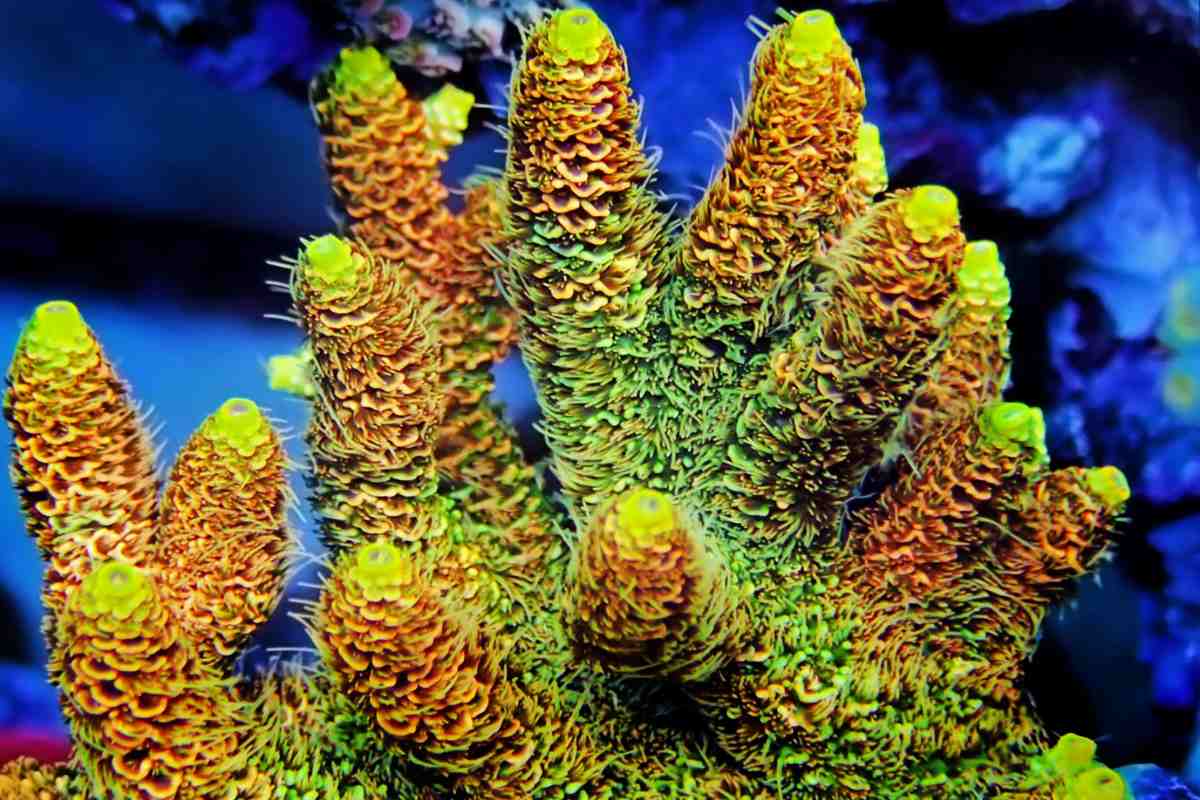
Millepora
Acropora millepora is a branching small polyp stony coral native to shallow reef slopes and lagoons throughout the Indo-Pacific, recognized by its fuzzy appearance from characteristically long polyp extension. Acropora millepora forms dense, clustered colonies with relatively thick branches compared to more delicate Acropora species, displaying famous color morphs including Strawberry Shortcake (lime green base with pink tips and red polyps), Rainbow, Ultra, and countless collector variations. Acropora millepora typically thrives under high-intensity lighting of 300-450 PAR and strong turbulent water flow, with placement in the middle to upper regions of established reef aquariums producing optimal growth and coloration. Acropora millepora demands pristine water quality with stable alkalinity, calcium, and magnesium levels, making this species suitable only for experienced reef keepers with mature systems running at least one year. Acropora millepora is particularly susceptible to Acropora-Eating Flatworms (AEFW), requiring quarantine and dipping protocols for all new specimens.
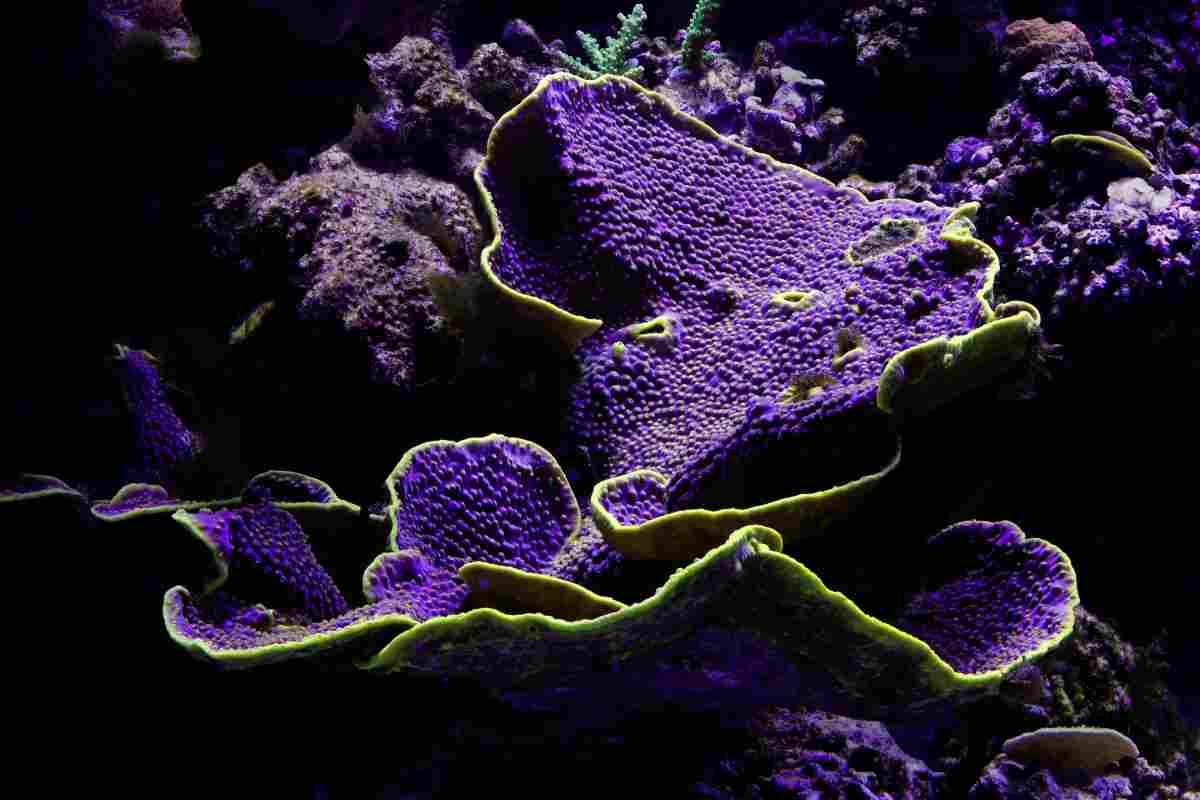
Montipora
Montipora corals (genus Montipora) are small polyp stony corals within the family Acroporidae known for their diverse growth forms including plating, encrusting, and branching varieties that display vibrant fluorescent colors under actinic lighting. Montipora corals encompass over 80 species with popular varieties including Montipora capricornis (plating "Monti caps"), Montipora digitata (branching), and various encrusting species that spread across rockwork. Montipora corals require moderate to high lighting in the 150-300 PAR range and moderate to strong water flow, making these corals accessible to reef keepers with established tanks looking to transition into SPS keeping. Montipora corals demonstrate significantly higher survival rates in home aquariums compared to Acropora, tolerating minor parameter fluctuations that would stress more demanding SPS species. Reef keepers should quarantine and dip all new Montipora specimens to prevent introduction of Montipora-eating nudibranchs, a devastating pest that can rapidly destroy entire colonies if left unchecked.
Stylophora
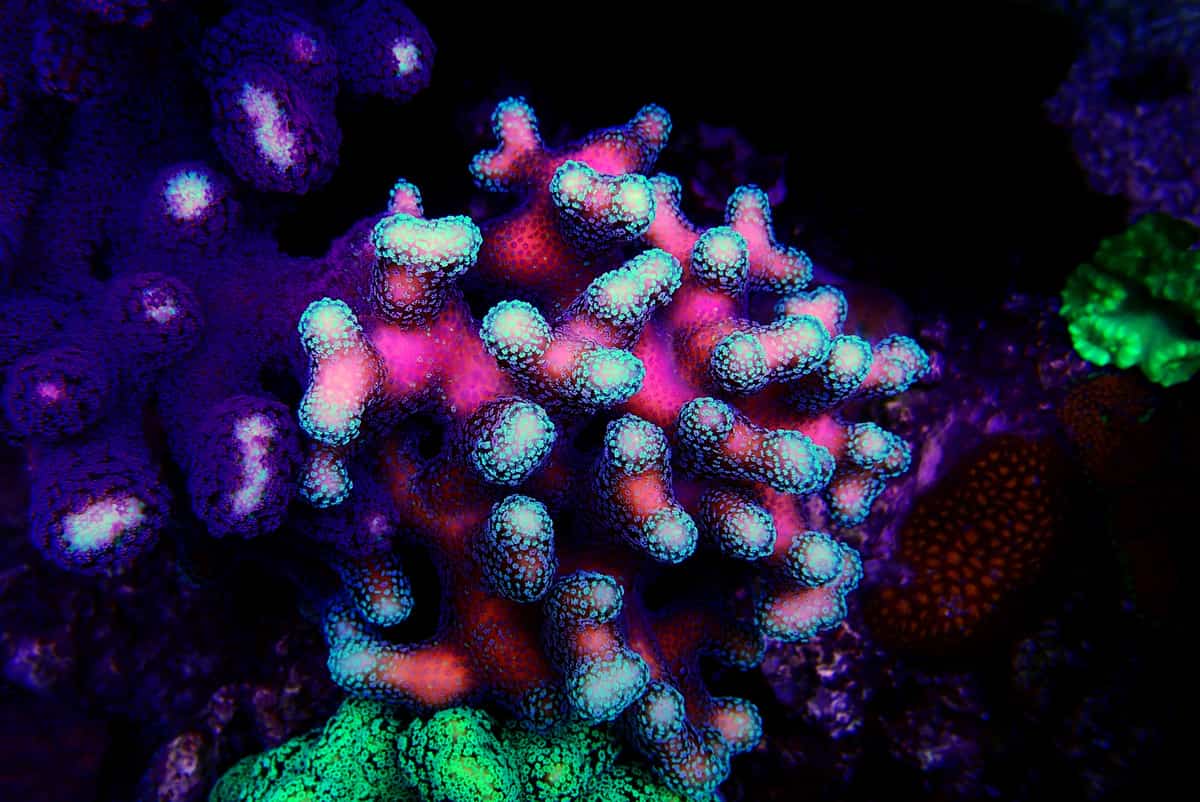
Stylophora (Stylophora pistillata) is a small polyp stony coral known for its thick finger-like branches with distinctive blunt ends, commonly called "Cat's Paw" or "Smooth Cauliflower" coral in the aquarium trade. Stylophora colonies form dense branching structures with small polyps that extend significantly when healthy, creating a fuzzy, velvety appearance that ripples in water flow. The genus includes nine valid species displaying vibrant colors including purple, pink, green, orange, and multicolored morphs, with the "Milka" purple variant featuring striking purple branches and bright white growth tips. Stylophora typically thrives under moderate to high lighting of 250-350 PAR and strong alternating water flow, making it suitable for intermediate aquarists maintaining stable SPS reef systems. Stylophora is considered one of the most forgiving and hardy SPS coral varieties, tolerating a wider range of parameters than demanding species like Acropora, which makes it an excellent first SPS coral for reef keepers developing SPS husbandry skills. Stylophora corals are peaceful with no sweeper tentacles or sting, allowing safe placement near other corals, though colonies should be positioned on exposed upper rockwork to receive adequate light and flow for optimal polyp extension and growth rates of 2-4 inches per year.
Tenuis
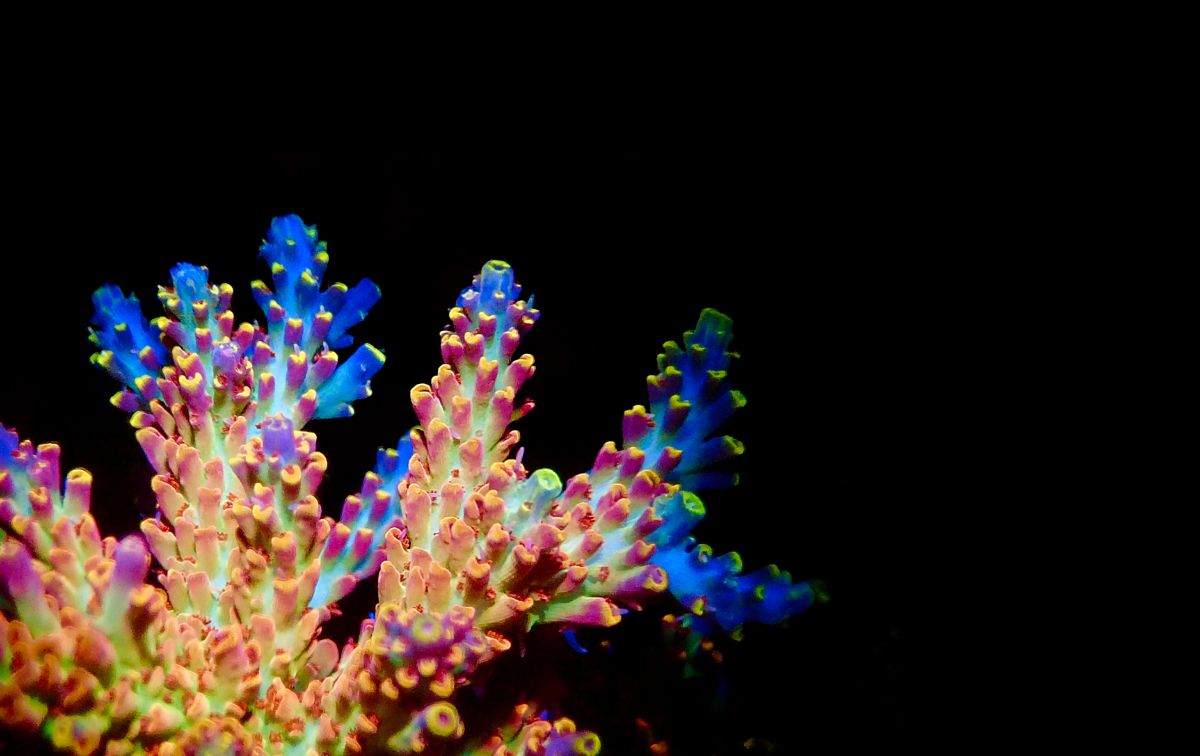
Acropora tenuis is a small polyp stony coral prized for its vibrant color morphs and elegant tabletop to bushy growth forms with thin, tightly-spaced branches. Acropora tenuis displays colors ranging from deep blues, purples, and greens to oranges and multicolor combinations, with branch tips often showing distinct purple or blue fluorescence under actinic lighting. Acropora tenuis typically thrives under high-intensity lighting of 300-400 PAR and strong turbulent indirect flow, making this species suitable only for advanced reef keepers with mature, stable aquariums at least one year old. Acropora tenuis is sensitive to alkalinity fluctuations and responds poorly to elevated nutrients, with browning often occurring within weeks of parameter instability. Acropora tenuis colonies can reach impressive sizes over several years under optimal conditions, though this species remains highly susceptible to rapid tissue necrosis and Acropora-eating flatworms.
SPS Care Essentials
Key guidelines for keeping SPS corals healthy and thriving
High Intensity Lighting
SPS corals demand high-intensity lighting (200-400+ PAR) to maintain their vibrant colors and support rapid growth.
Strong Turbulent Flow
SPS corals thrive in high, turbulent flow that mimics natural reef conditions and prevents detritus buildup.
Stable Parameters
SPS corals are extremely sensitive to parameter fluctuations. Stability is more important than perfection.
Pristine Water Quality
Low nutrient levels are critical for SPS health and coloration. Excess nutrients lead to algae and browning.
Frequently Asked Questions
Common questions about SPS coral care and keeping
General Questions
What types of corals are considered "SPS corals"?
SPS stands for Small Polyp Stony, referring to corals with a hard calcium carbonate skeleton and tiny, fine polyps. Unlike LPS corals with large fleshy polyps, SPS corals have a more delicate appearance with intricate skeletal structures.
Common SPS corals include Acropora, Montipora, Birdsnest, Stylophora, and Pocillopora. These corals are known for their rapid growth under ideal conditions and stunning coloration under actinic lighting.
Are SPS corals suitable for beginners?
SPS corals are generally recommended for intermediate to advanced reef keepers. They require stable, mature systems (6+ months established), consistent water parameters, high-quality lighting, and diligent maintenance. However, some species like Birdsnest and certain Montipora varieties are more forgiving and can be good introductions to SPS keeping.
Care & Maintenance Questions
What lighting do SPS corals need?
SPS corals require high-intensity lighting, typically 200-400+ PAR depending on the species and placement. Quality LED fixtures or T5 bulbs work well. Different species have varying needs—Acropora often prefer the highest intensities, while some Montipora species can thrive at slightly lower levels.
Always acclimate new frags gradually by starting them lower in the tank or reducing light intensity, then slowly increasing over 2-3 weeks. Monitor for signs of bleaching (too much light) or browning (too little light).
Do SPS corals need to be fed?
While SPS corals derive most of their energy from photosynthesis through their zooxanthellae, they can benefit from supplemental feeding. Amino acids, coral foods, and phytoplankton can enhance coloration and growth rates.
Many successful SPS keepers focus on maintaining low nutrient levels and excellent lighting rather than direct feeding. If you do feed, use fine particulate foods and avoid overfeeding, which can degrade water quality.
Why is alkalinity stability so important for SPS?
SPS corals consume large amounts of calcium and alkalinity to build their calcium carbonate skeletons. Rapid growth means they're constantly depositing new skeleton, making them extremely sensitive to alkalinity swings.
Daily alkalinity fluctuations of more than 0.5 dKH can stress SPS corals, leading to tissue recession, slow growth, or death. Many successful SPS keepers use dosing pumps or calcium reactors to maintain rock-solid alkalinity levels throughout the day.
Tank Requirements Questions
How long should my tank be running before adding SPS?
Most experts recommend waiting at least 6 months before introducing SPS corals. This allows the tank to mature, beneficial bacteria to establish, and parameters to stabilize. A mature system is better equipped to handle the demands of SPS and less prone to parameter swings.
During this maturation period, focus on establishing stable alkalinity, calcium, and magnesium levels. Consider starting with hardy soft corals or LPS, then gradually transition to beginner-friendly SPS before attempting more demanding species.
Can SPS corals be kept with LPS and soft corals?
Yes, mixed reef tanks with SPS, LPS, and soft corals are possible but require careful planning. SPS generally prefer higher light and flow than LPS, so placement is key. Be mindful of aggressive LPS with sweeper tentacles and soft corals that may release chemicals. Provide adequate spacing and monitor all corals for signs of stress or warfare.
What equipment is essential for keeping SPS corals?
At minimum, you'll need high-quality lighting (LED or T5), multiple powerheads for turbulent flow, a reliable heater, quality protein skimmer, and regular testing for calcium, alkalinity, and magnesium. Many SPS keepers also use dosing pumps or calcium reactors, RODI systems, and refugiums for nutrient export. Quality equipment and consistency are more important than expensive gear.
Complete SPS Index
Browse all 24 SPS coral care guides
Ready to Add SPS to Your Reef?
Browse available SPS coral listings from trusted sellers and find the perfect additions for your reef tank.