
Best Beginner Corals for Reef Tanks
Starting your first reef tank? These 9 beginner-friendly corals are forgiving, hardy, and perfect for new reef keepers. They tolerate parameter swings, require minimal maintenance, and reward you with growth and color while you learn.
9 recommended species • Soft Corals • LPS • Beginner SPS
Before You Buy: Beginner Tips
Wait for Stability
Let your tank cycle completely, and then stabilize before adding corals (8-12 weeks).
Start Slow
Only add a few corals at a time and then wait a few weeks before adding more.
Drip Acclimate
Slowly match water parameters over 30-60 minutes before adding.
Consistency is Key
Measure water parameters weekly and do water changes every few weeks.
Recommended Beginner Corals
These corals have proven track records with new reef keepers. Each one tolerates the learning curve.

Why It's Great for Beginners
Nearly indestructible. Tolerate a wide range of lighting and flow. Multiply on their own and come in countless colors.
Pro Tip
Place in lower areas of the tank. They prefer indirect light and low to moderate flow.
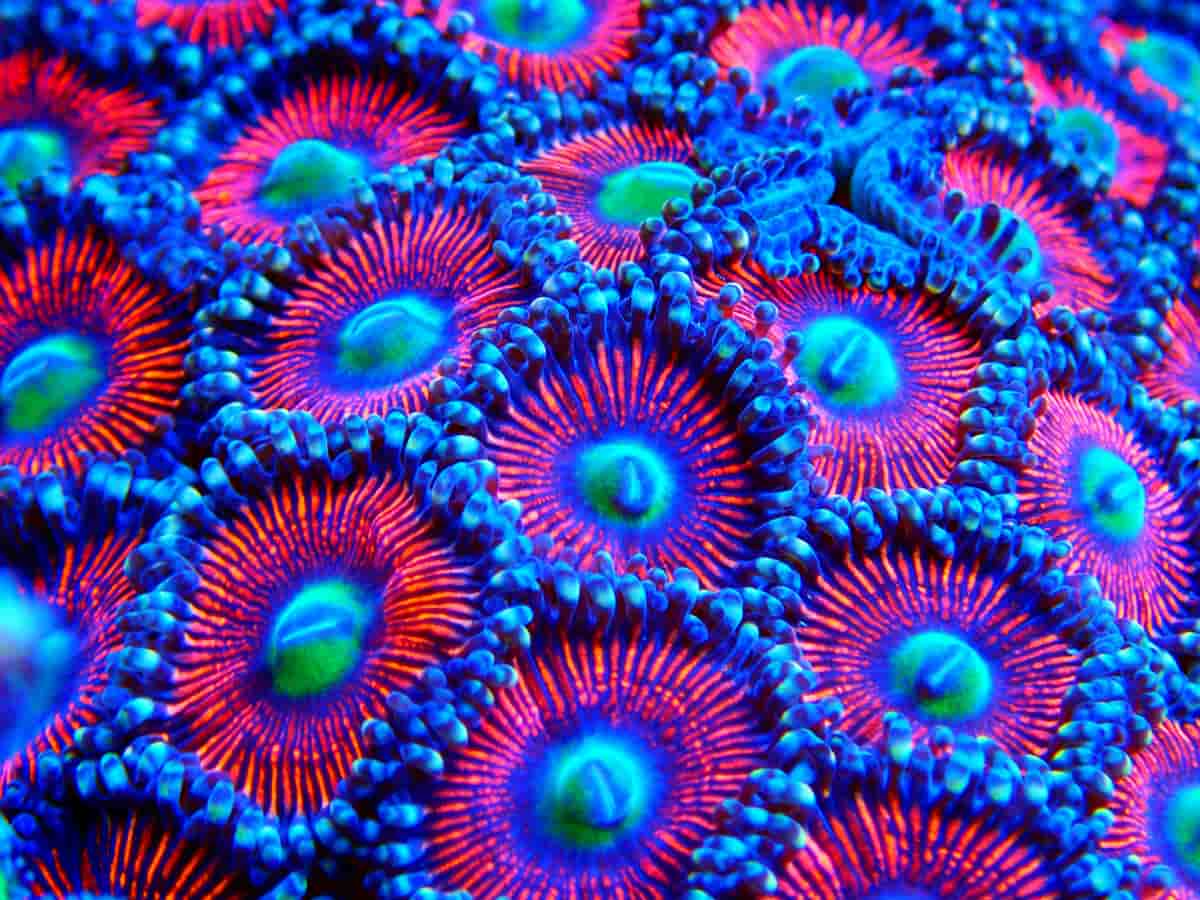
Why It's Great for Beginners
Hardy, colorful, and spread quickly. Available in thousands of color morphs from budget-friendly to collector pieces.
Pro Tip
Handle with gloves as some contain palytoxin. Prefer moderate light and flow.
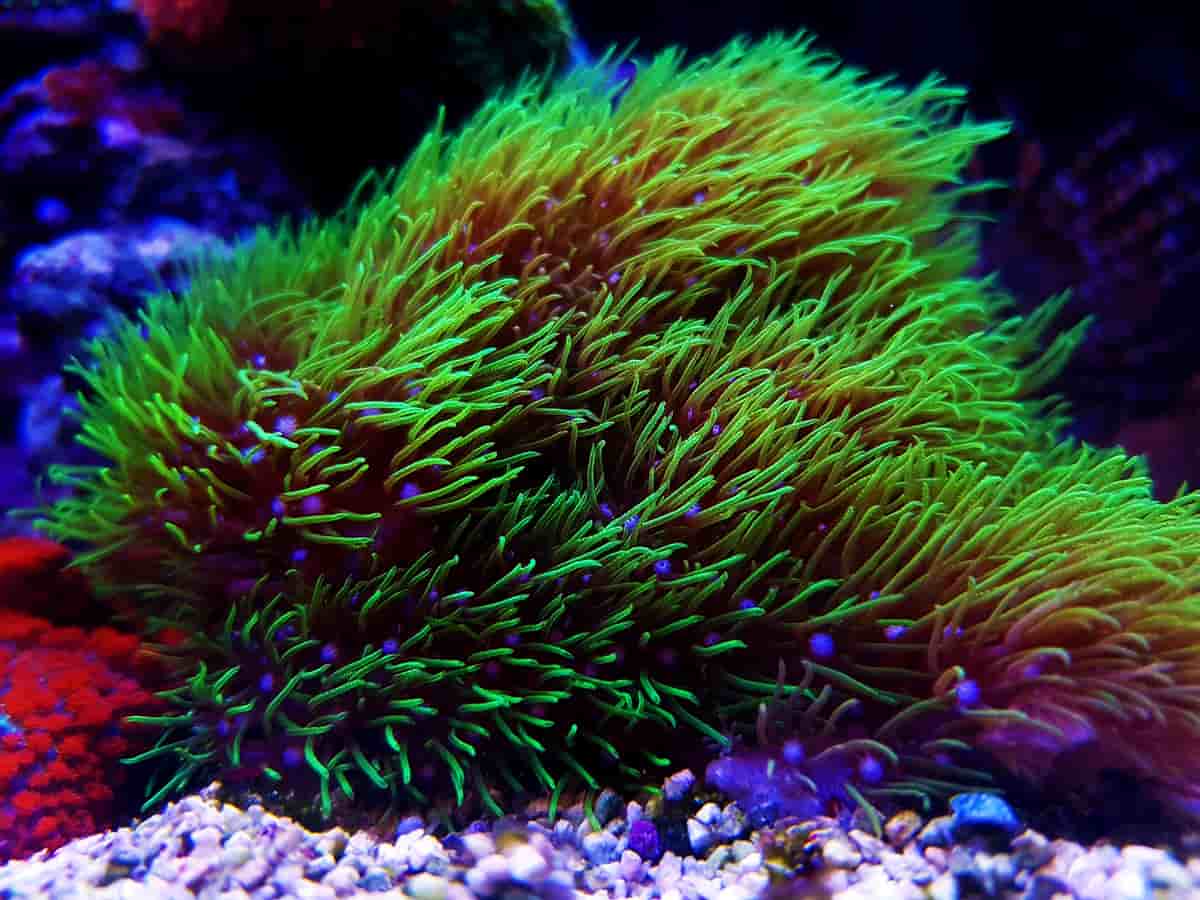
Why It's Great for Beginners
Grows rapidly and creates a stunning green carpet effect. Extremely tolerant of water conditions.
Pro Tip
Mount on an isolated rock - GSP spreads aggressively and can overtake other corals.
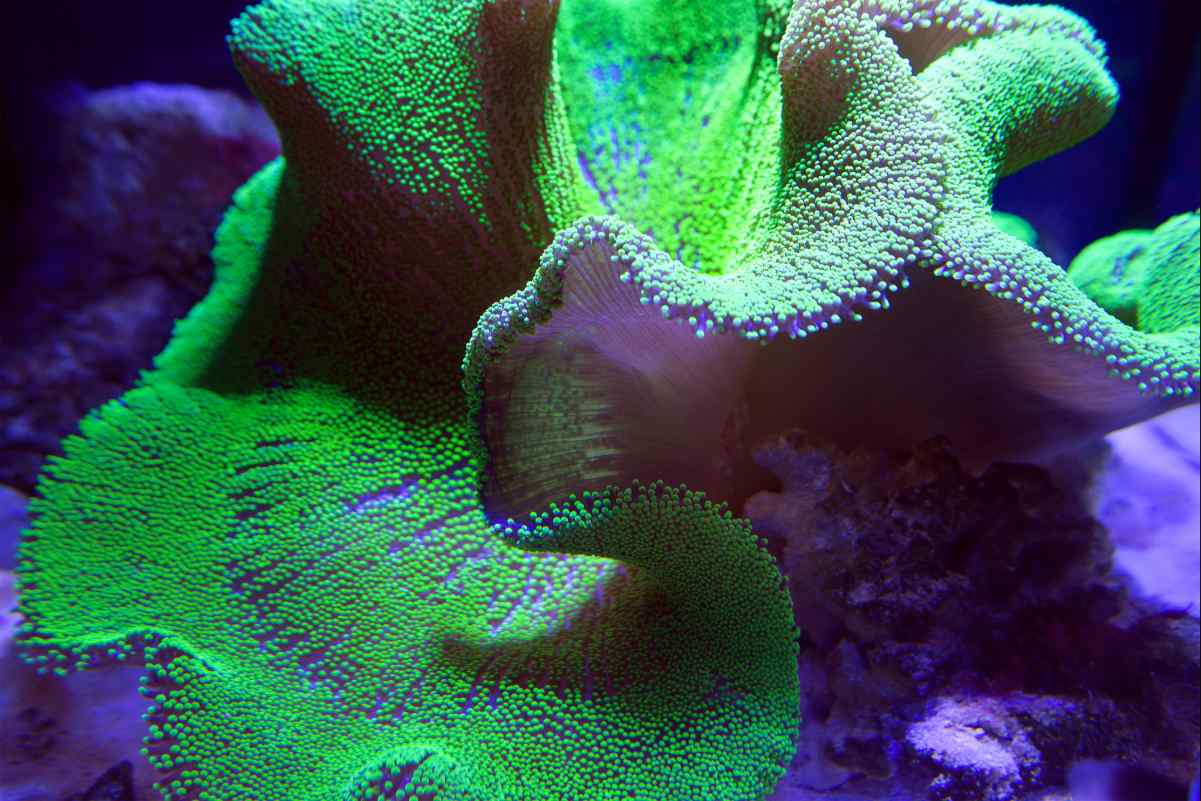
Why It's Great for Beginners
Beautiful flowing polyps, grow large, and very forgiving. Includes toadstools, finger leathers, and cabbage corals—all great for beginners.
Pro Tip
Periodically shed a waxy coating which is normal. Will retract polyps for a few days during shedding.
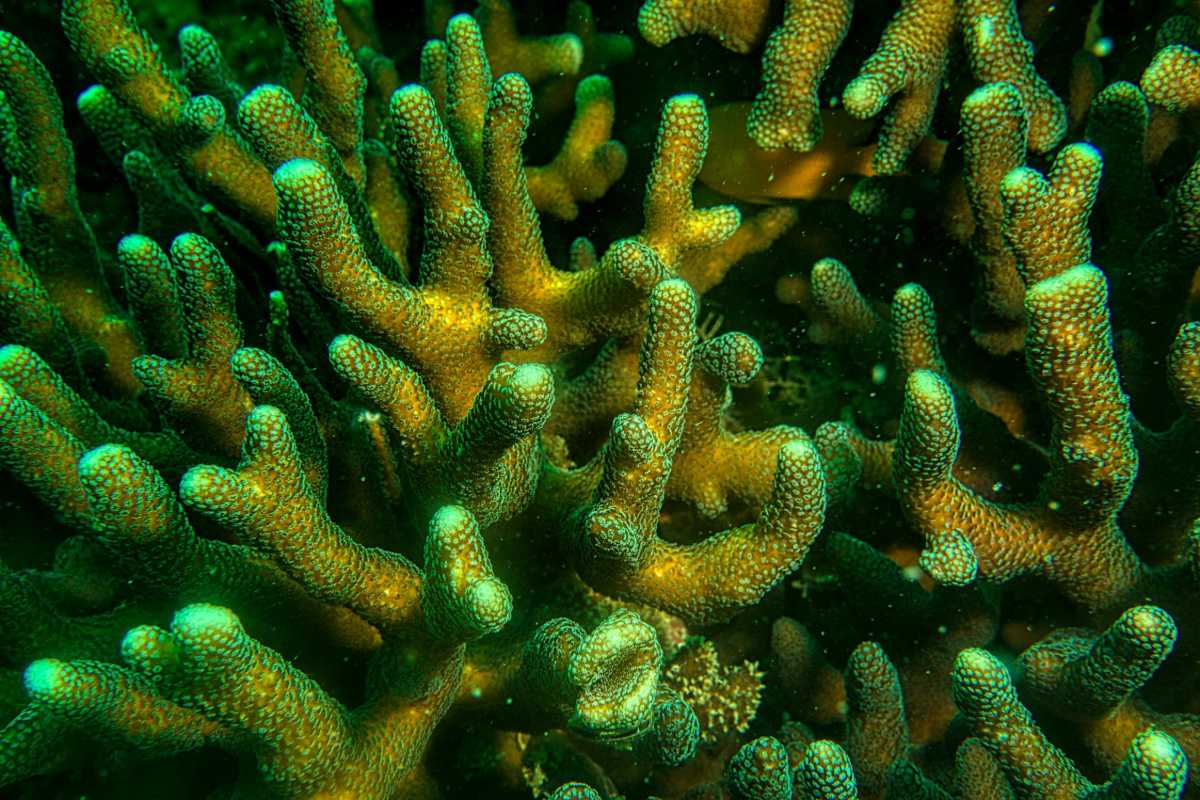
Why It's Great for Beginners
Often called the "beginner SPS." Birdsnest is far more forgiving than Acropora and grows quickly once established. A great stepping stone into SPS keeping.
Pro Tip
Needs moderate to high light and flow, but tolerates some variation. Frags easily if branches break.
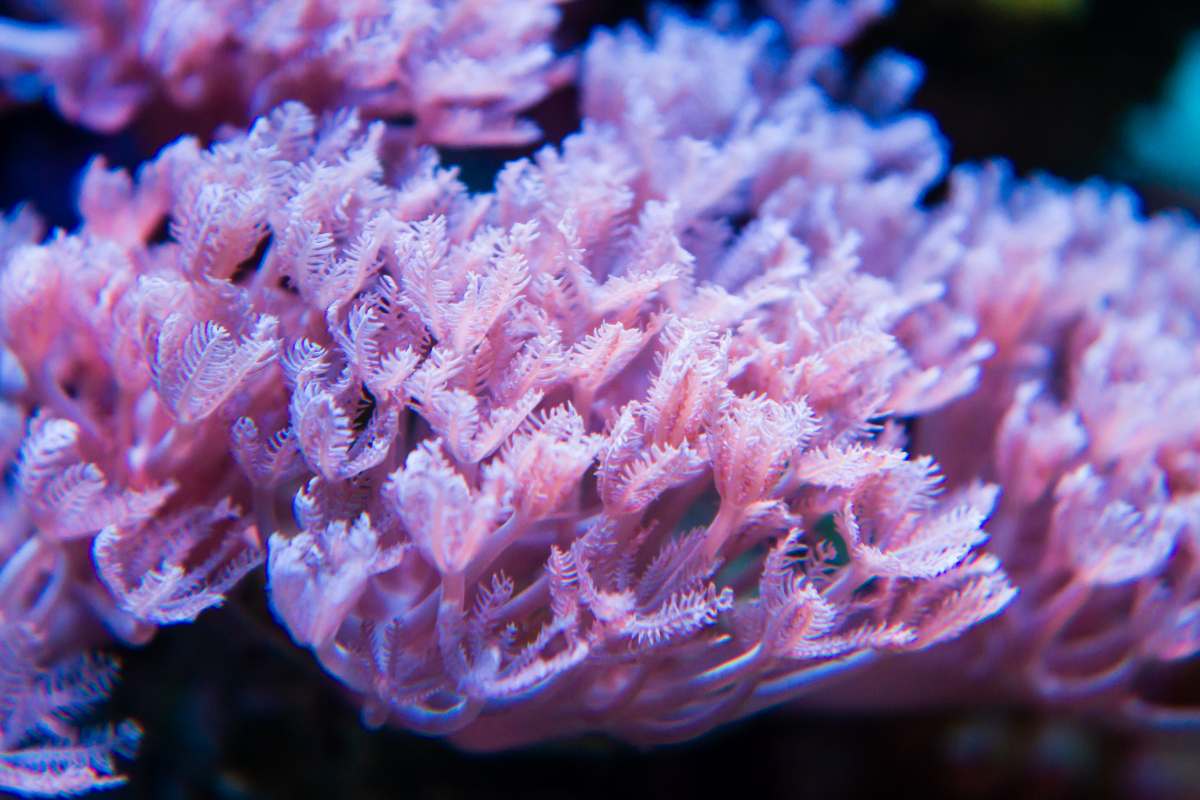
Why It's Great for Beginners
Mesmerizing pulsing motion and rapid growth. One of few corals with visible movement.
Pro Tip
Can spread rapidly - some consider it a pest. Keep on isolated rocks.
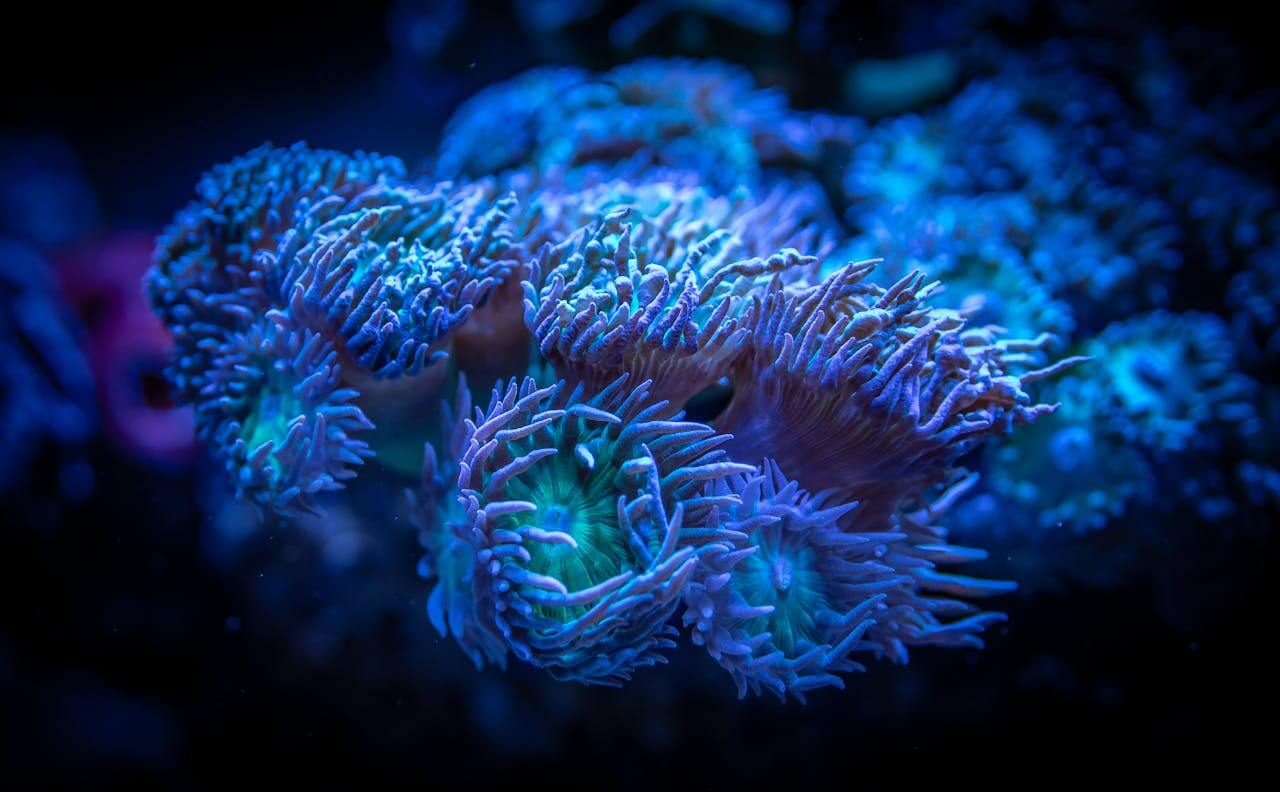
Duncan
Why It's Great for Beginners
One of the easiest LPS corals. Long, flowing tentacles and grows additional heads quickly.
Pro Tip
Enjoys being fed small meaty foods. Place in moderate flow so tentacles can sway.
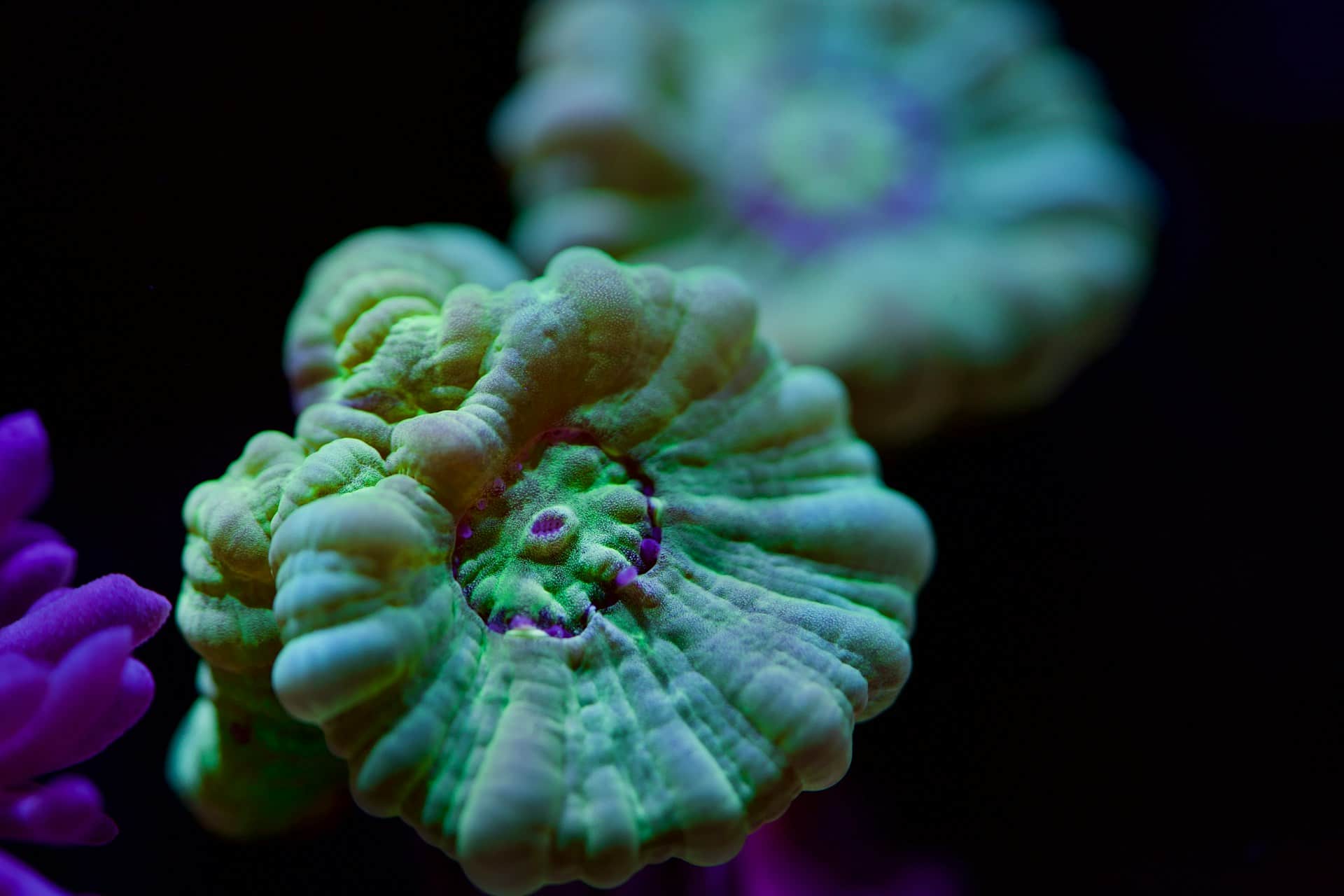
Why It's Great for Beginners
Hardy LPS with thick, fleshy polyps. Grows new heads regularly and tolerates varied conditions.
Pro Tip
Place lower in the tank with moderate flow. Responds well to target feeding.
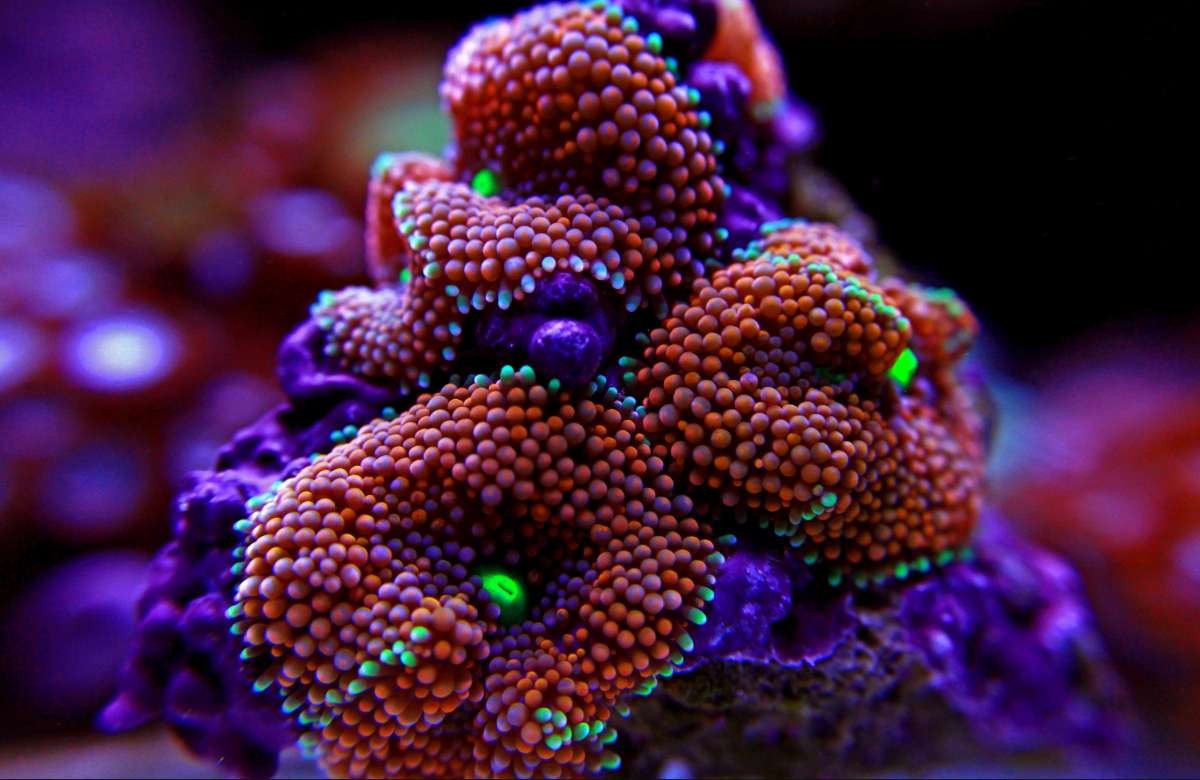
Ricordea
Why It's Great for Beginners
Colorful mushroom-type coral that stays put and doesn't spread aggressively like other mushrooms.
Pro Tip
Prefers lower light than you might expect. Let them acclimate slowly.
Your Coral Progression Path
As your reef keeping skills grow, here's a suggested progression to more challenging corals:
Months 1-3
Start Here
- Mushrooms
- Zoanthids
- Green Star Polyps
- Pulsing Xenia
Months 3-6
Level Up
- Duncan
- Candy Cane / Trumpet
- Hammer Coral
- Acanthastrea (Acan)
Months 6-12+
Advanced
- Torch Coral
- Montipora (easy SPS)
- Chalice
- Acropora (when ready)
Frequently Asked Questions
What is the easiest coral to keep?
Mushroom corals are widely considered the easiest corals to keep. They tolerate a wide range of lighting and flow conditions, require no feeding, and multiply on their own. Other extremely easy corals include Green Star Polyps, Pulsing Xenia, and Zoanthids.
Can beginners keep LPS corals?
Yes, certain LPS corals are beginner-friendly. Duncan corals, Candy Cane corals, and Acan corals are all relatively forgiving and make great first LPS. They do benefit from occasional feeding and stable water parameters.
Should beginners avoid SPS corals?
Generally yes. SPS corals like Acropora require high lighting, strong flow, and extremely stable water parameters that are difficult for new tanks to maintain. Most reef keepers recommend waiting at least 6-12 months before attempting SPS.
How long should I wait before adding corals?
Wait until your tank has completed its nitrogen cycle (typically 4-8 weeks) and parameters are stable (8-12 weeks). Soft corals and mushrooms can be added once ammonia and nitrite read zero. More sensitive corals should wait until the tank is more mature (3-6 months).
Do beginner corals need to be fed?
Most beginner soft corals (mushrooms, zoanthids, GSP) get their nutrition from light and don't require feeding. LPS corals like Duncans and Candy Canes benefit from occasional target feeding with small meaty foods but can survive without it.
Ready to Start Your Reef?
Shop beginner-friendly corals from 30+ stores and fellow hobbyists in Meta Reef's coral marketplace.