Green Star Polyps Coral Care Guide
Green Star Polyps are beginner-friendly soft corals known for fast growth and vibrant fluorescent green polyps. This care guide covers lighting, water flow, placement strategies, and critical growth management techniques to help reef keepers maintain healthy colonies without allowing them to overtake the aquarium.
About Green Star Polyps
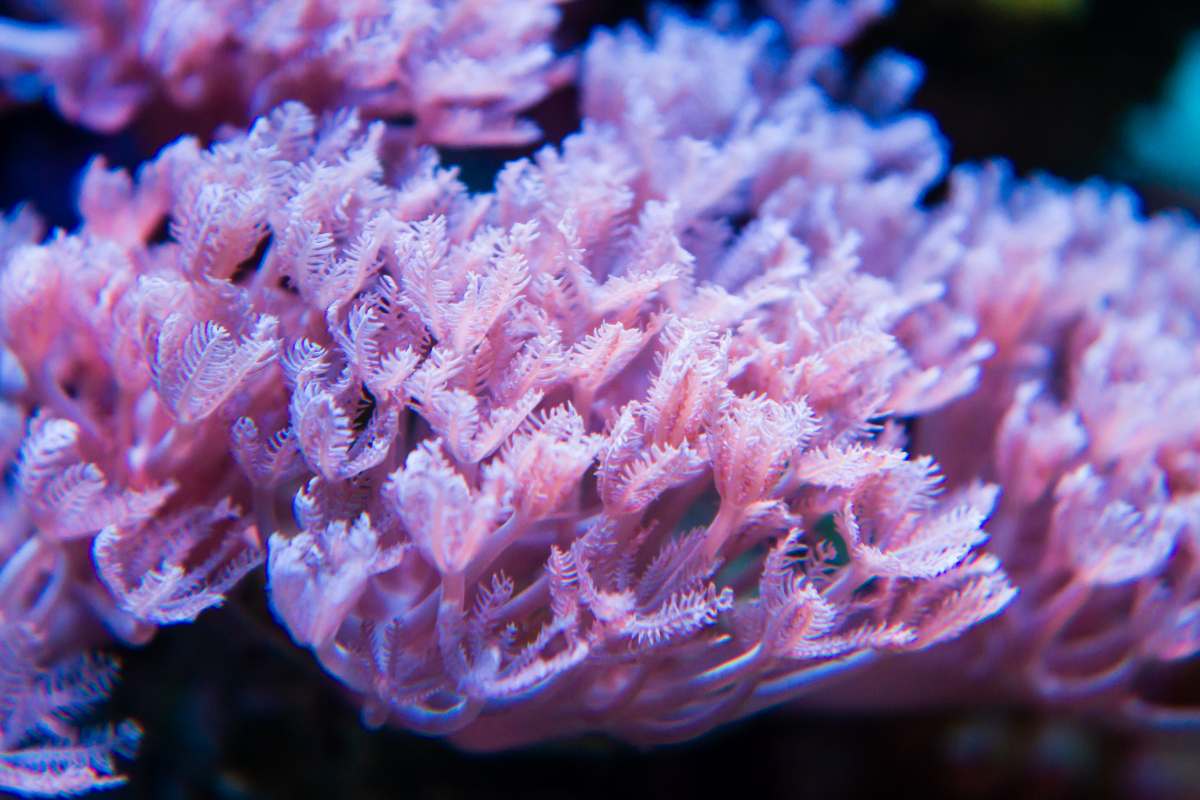
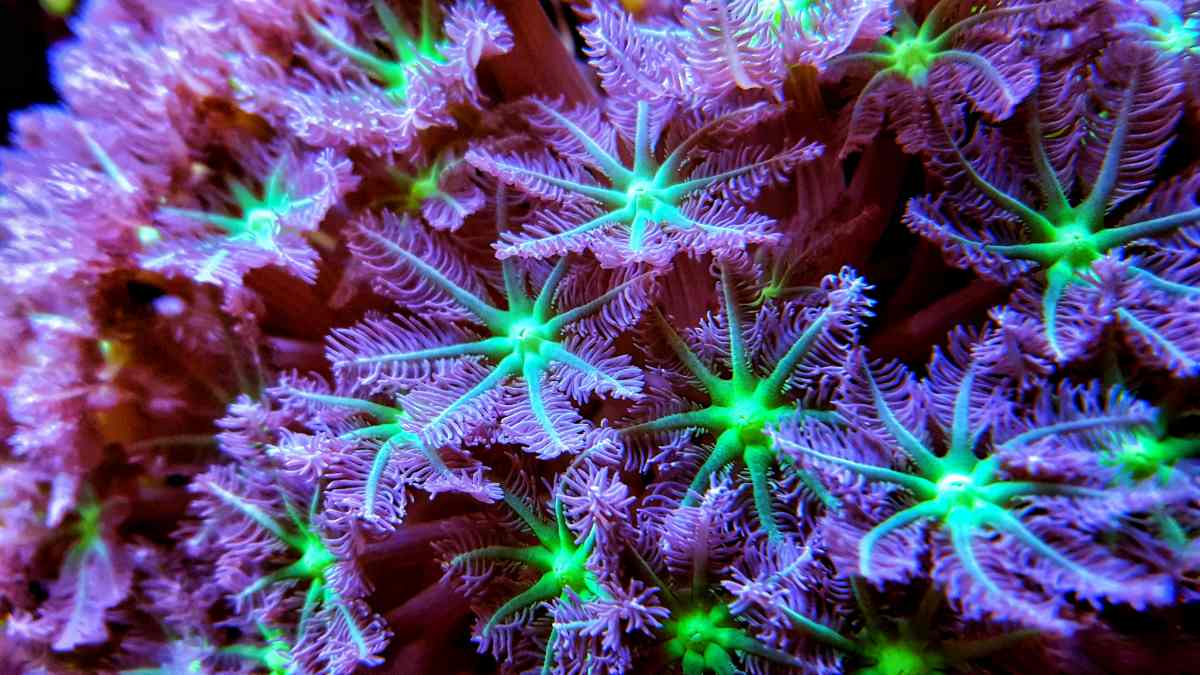
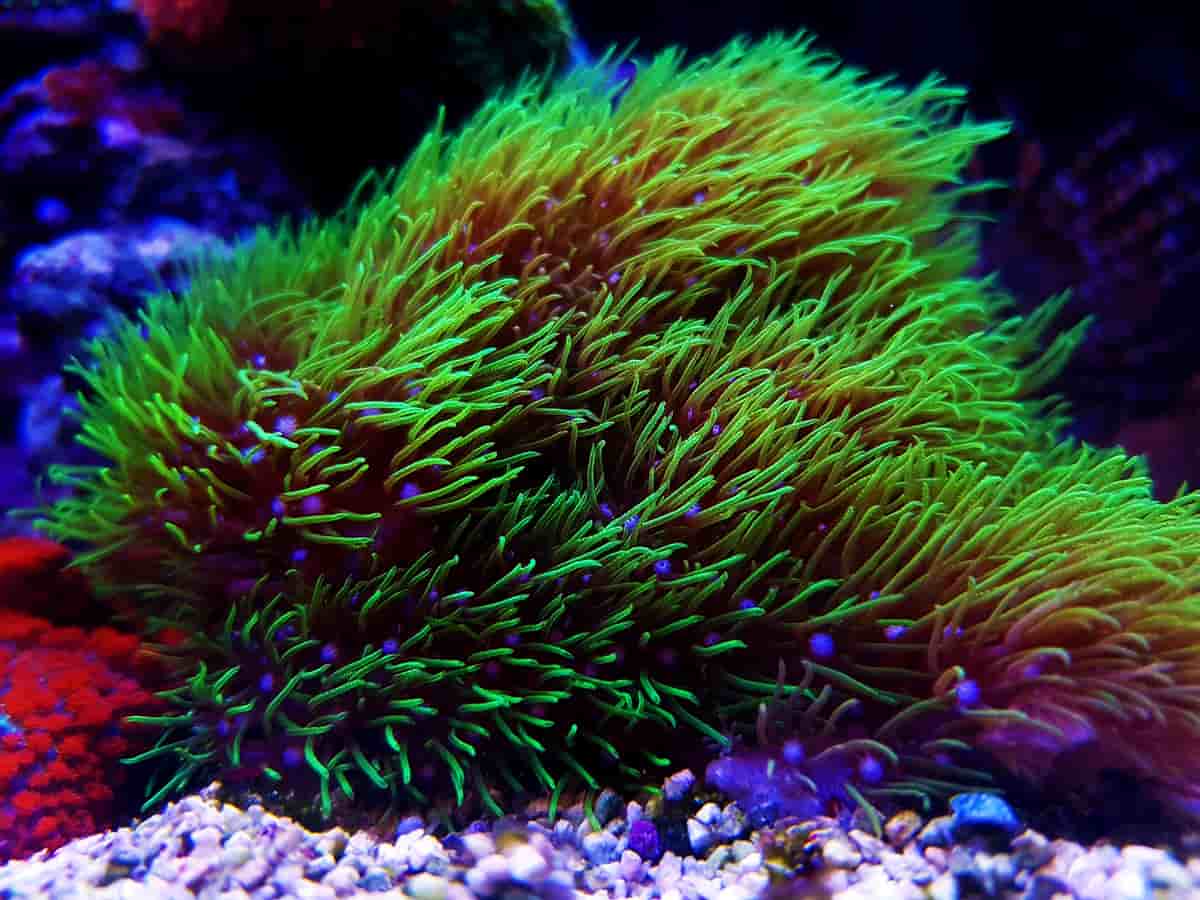
Green Star Polyps (Briareum violaceum) are soft corals known for their bright fluorescent green polyps that extend from a purple mat base, creating a waving carpet effect under water flow. The polyps feature eight feathery tentacles and can extend up to 2 inches when fully open, displaying vibrant colors under actinic lighting. Green Star Polyps require moderate lighting of 100-250 PAR and moderate to high water flow of 15-30x tank turnover per hour, making them suitable for beginner reef aquarists. This species has no calcified skeleton and tolerates parameter fluctuations better than most corals, though it requires stable calcium levels of 400-450 ppm and alkalinity of 8-10 dKH for optimal growth. Green Star Polyps spread aggressively through encrusting growth that can cover 2-3 inches per month under ideal conditions, requiring careful placement on isolated rocks at least 4-6 inches from other corals to prevent the colony from overgrowing neighboring specimens.
Care Requirements
Quick overview for keeping your coral thriving
Difficulty
Beginner Friendly
Lighting
Moderate
Water Flow
Moderate
Detailed Care Guide
In-depth information for optimal care
Difficulty Level
Beginner
Green Star Polyps are among the hardiest soft corals available and tolerate a wide range of conditions, making them ideal for beginners. This species has no calcified skeleton, so it tolerates calcium and alkalinity fluctuations that would stress LPS or SPS corals. Green Star Polyps recover quickly from parameter swings, shipping stress, and fragging, typically reopening within 3-7 days after disturbances. The primary challenge is not keeping them alive but controlling their aggressive encrusting growth, which requires strategic placement and regular maintenance rather than delicate husbandry. Aquarists who fail to isolate Green Star Polyps often find them spreading across the entire aquascape within 6-12 months.
Lighting Requirements
Moderate
Green Star Polyps adapt to a wide range of lighting from 50-250 PAR, though they thrive best under moderate to moderately high lighting of 100-200 PAR. Lower lighting of 50-100 PAR slows growth rates to approximately 1 inch per month and may reduce the fluorescent green color intensity, while higher lighting of 150-250 PAR maximizes growth speed to 2-3 inches per month and enhances color vibrancy. This species tolerates everything from older T5 fluorescent bulbs to metal halide and modern LED systems without acclimation stress. Aquarists can strategically use lower lighting to slow aggressive spread or higher lighting to accelerate growth for fragging purposes, making lighting level a useful growth control tool.
Water Flow
Moderate
Green Star Polyps thrive in moderate to high water flow of 15-30x tank turnover per hour, with visible polyp swaying indicating appropriate flow strength. Moderate flow keeps the purple mat base clear of detritus and algae buildup which can prevent polyp extension, and higher flow appears to accelerate growth rates compared to low-flow placements. Direct laminar flow pointing at the colony provides ideal conditions, though turbulent flow also works well. Insufficient flow allows debris to settle on the mat and can cause sections to remain closed, while excessively strong flow exceeding 40x turnover may prevent polyps from extending fully or cause constant retraction.
Keep your Green Star Polyps healthy
Save photos, placement, parameters, and what you paid — and see how your Green Star Polyps changes over time.
Parameters
In range8.5 dKH
Alkalinity target 8–9 dKH · sample data
Your Green Star Polyps
just added$33 paid
value from live market
Buying Advice
What to look for when purchasing
Polyp Extension
Look for colonies with polyps fully extended, showing vibrant fluorescent green color with all eight tentacles visible. Healthy Green Star Polyps should open within 1-2 hours under store lighting conditions, though newly arrived shipments may remain closed for 24-48 hours during acclimation. Avoid specimens with polyps that remain closed for extended periods or show inconsistent extension patterns across the mat.
Mat Integrity
Inspect the purple mat base carefully for any tears, deterioration, pale spots, or areas where the mat is peeling away from the plug or rock. The mat should appear uniformly purple or violet in color without brown discoloration, white patches, or tissue recession. Healthy mats feel firm to gentle touch and show no signs of decomposition or slime coating, which indicate bacterial infection.
Pest Inspection
Check the mat surface and surrounding plug for common pests including flatworms, aiptasia anemones, majano anemones, or nuisance algae growth. Use a magnifying glass or phone camera zoom to inspect crevices in the purple mat where pests often hide. Green Star Polyps frequently hitchhike pests from their original reef environments, so quarantine and dipping protocols are recommended before introducing them to display aquariums.
Attachment Quality
Ensure the colony is firmly attached to its frag plug, tile, or rock with no loose edges or peeling sections. Gently tug on the mat edge to verify secure attachment, as loose or poorly attached colonies indicate handling damage or poor health. Well-attached colonies show mat growth wrapping around the plug edges or beginning to encrust onto the mounting surface, demonstrating active growth and good recovery from fragging.
Taxonomy
Species
Reef Value
Live pricing$1,860
+$120 this month
Priced from live marketplace listings
Green Star Polyps
Just added · Frag rack
$32.5
Hammer Coral
8 months · Mid rock
$65
Zoa Colony
1 year · Sand bed
$40
Track Your Reef
Add your Green Star Polyps to your tank's living inventory — placement, source, and photos as it grows — next to the parameter logs and maintenance history that keep it thriving. Reef Value even shows what your collection is worth, priced from live marketplace listings.
Find Your Perfect Green Star Polyps
Compare prices from 7+ verified sellers. From budget-friendly frags to rare collector pieces.
Starting at
$10
Average Price
$32.5
Premium frags up to
$80
Full Price History
Trends, movers & market data
Frequently Asked
Common questions about Green Star Polyps corals
Are Green Star Polyps invasive in a reef tank?
Green Star Polyps grow aggressively through encrusting and will spread across any surface within reach, including rocks, glass, overflow boxes, and other corals. The purple mat base can expand 2-3 inches per month under optimal conditions and will grow directly over slower-growing corals, blocking their light and eventually killing them through shading and space competition. Reef keepers universally recommend placing Green Star Polyps on isolated rock islands separated from the main aquascape by at least 4-6 inches of open sand or water, or confining them to the back glass wall where their spread can be controlled. Regular fragging and trimming every 4-8 weeks prevents unwanted expansion, and overgrown colonies can be removed by peeling the mat away with a razor blade, though this requires removing the affected rock from the aquarium.
Where should Green Star Polyps be placed in a reef tank?
Green Star Polyps should be placed on isolated rock islands separated from the main aquascape to prevent their aggressive encrusting growth from spreading to other corals and equipment. The most popular placement options include setting a small rock in the sand bed 4-6 inches away from the main rockwork, allowing the colony to create a vibrant green island, or mounting them on the back glass wall where their spread is naturally limited to the two-dimensional surface. Aquarists also place Green Star Polyps on dedicated rocks in the foreground or mid-ground areas where the waving polyp movement can be featured as an accent, though this requires vigilant monitoring and monthly trimming to prevent spread. Moderate to high flow areas work best as water movement keeps the purple mat base free from algae and detritus buildup, and higher lighting zones of 150-250 PAR maximize polyp extension and growth rate.
Why are my Green Star Polyps not opening?
Green Star Polyps close their polyps for several normal and stress-related reasons, and closures can last from a few days to over two weeks without indicating a problem. New colonies acclimate for 7-14 days after introduction and often remain closed during this adjustment period, while established colonies may close for 3-7 days immediately before rapid growth spurts as the mat prepares to expand. Parameter fluctuations trigger closure responses, particularly rapid salinity swings exceeding 0.002 specific gravity change or alkalinity drops below 7 dKH. Detritus or algae settling on the purple mat base prevents polyp extension, requiring gentle brushing with a soft coral brush or increased flow to clear debris. As long as the purple mat remains intact and shows no tissue deterioration or color loss, Green Star Polyps will typically reopen once conditions stabilize or the acclimation period ends.
Do Green Star Polyps sting other corals?
Green Star Polyps do not possess stinging sweeper tentacles or nematocyst-rich defensive structures and cannot directly sting neighboring corals. The eight feathery tentacles visible when polyps extend serve only for filter feeding and do not deliver stings to nearby coral tissue. However, Green Star Polyps compete aggressively for space through rapid encrusting growth rather than chemical or physical aggression, and the purple mat base will grow directly over slower corals like zoanthids, ricordea, and even some LPS corals. This overgrowth blocks light from reaching the buried coral's tissue and eventually kills the specimen through shading and suffocation. Reef keepers should maintain at least 4-6 inches of separation between Green Star Polyps and prized corals, and monitor for mat expansion that can advance 2-3 inches per month toward neighboring colonies.
How do I control Green Star Polyps growth?
Green Star Polyps growth is controlled primarily through strategic placement on isolated rocks and regular fragging to remove unwanted expansion. The most effective long-term control method involves placing Green Star Polyps on rocks completely separated from the main aquascape by 4-6 inches of bare sand, preventing the mat from bridging to other surfaces. Monthly inspections should check for stolons reaching toward adjacent rocks or equipment, and any advancing edges can be trimmed using a razor blade to peel back the purple mat while the rock remains in the tank. Reducing lighting to 50-100 PAR significantly slows growth rates compared to the 2-3 inches per month expansion seen at 150-250 PAR. Alternatively, placing large rocks or corals that cast shade over advancing edges starves those sections of light and halts spread in that direction, though Green Star Polyps will redirect growth toward unshaded areas instead of completely stopping.
Do Green Star Polyps need to be fed?
Green Star Polyps receive most of their nutrition through photosynthesis via zooxanthellae symbiotic algae living in their tissue and do not require target feeding for survival. The coral absorbs dissolved organic nutrients including nitrates and phosphates directly from the water column, making them tolerant of higher-nutrient systems that would stress SPS corals. Target feeding with phytoplankton, reef rods, or liquid coral foods 1-2 times per week can enhance polyp extension, color vibrancy, and growth rates, though this supplemental feeding is optional rather than necessary. Green Star Polyps thrive in established reef aquariums with fish feeding providing adequate dissolved organics, and many reef keepers successfully maintain vibrant colonies for years without ever target feeding. Overfeeding risks increasing detritus accumulation on the purple mat base which can prevent polyp opening and require manual cleaning with a soft brush or turkey baster.