
Xenia Coral Care Guide
Xenia corals are beginner-friendly soft corals famous for their rhythmic pulsing motion and rapid growth. This care guide covers lighting, water flow, placement, and growth control strategies to help reef keepers maintain healthy Xenia colonies without letting them overtake the tank.
About Xenia
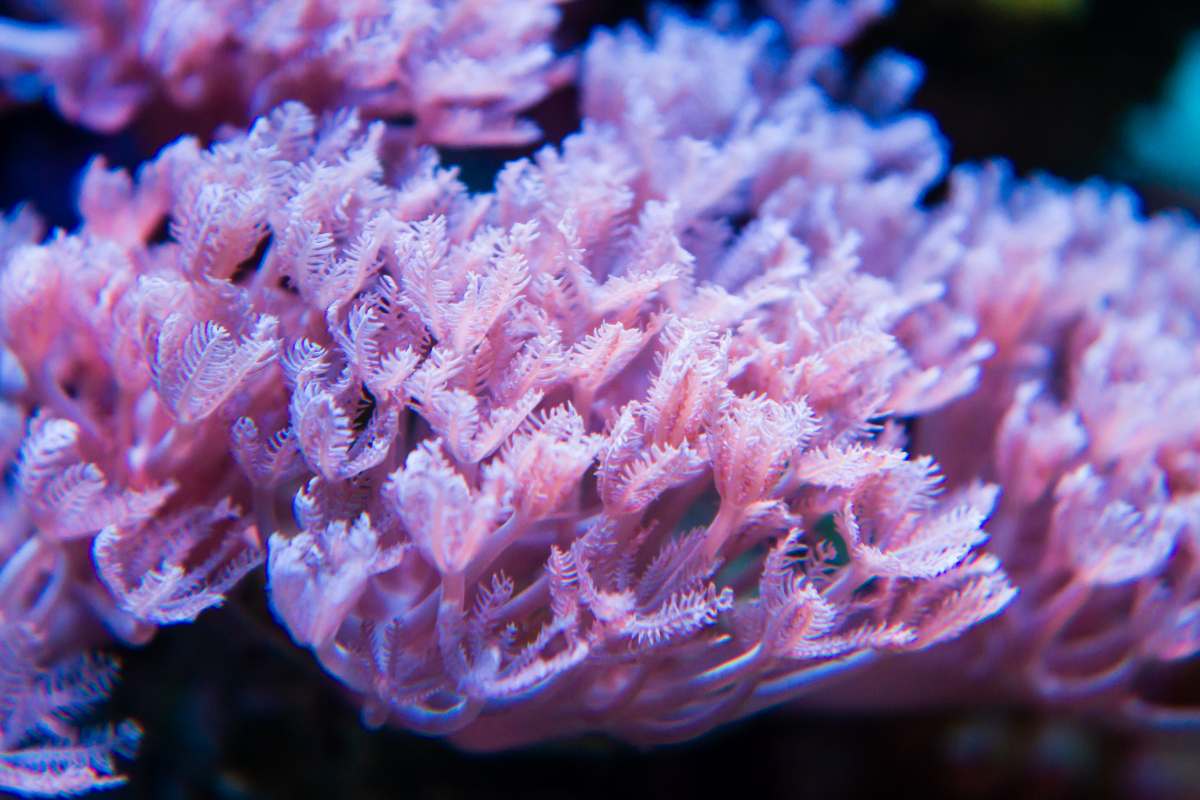
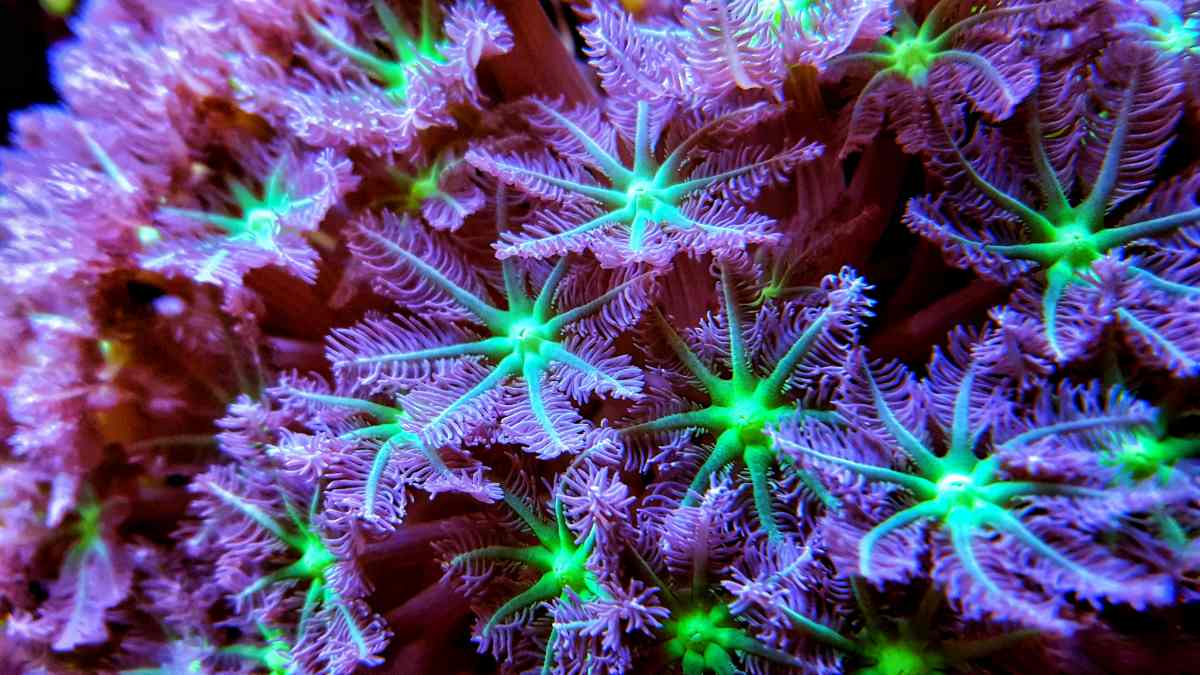
Xenia (Xenia sp.) is a soft coral known for its distinctive rhythmic pulsing behavior, where feathery polyps open and close continuously in a mesmerizing motion that adds constant movement to reef aquariums. Xenia colonies grow as sturdy stalks covered in eight-tentacled polyps, displaying colors ranging from cream and tan to pink and lavender depending on species and lighting conditions. Xenia thrives under moderate lighting around 100-200 PAR and low to moderate water flow, making Xenia one of the most beginner-friendly corals available in the hobby. Xenia colonies are highly tolerant of varying water conditions and actually prefer tanks with some nitrate and phosphate present, often struggling in ultra-clean systems optimized for SPS corals.
Xenia is notorious for rapid, invasive growth that can quickly overtake a reef tank if left unchecked, with colonies spreading via both stolons along rockwork and free-floating fragments released into the water column. Reef keepers should place Xenia on isolated rock islands surrounded by sand moats to contain spreading, and plan for regular pruning to prevent Xenia from outcompeting slower-growing corals.
Care Requirements
Quick overview for keeping your coral thriving
Difficulty
Beginner Friendly
Lighting
Low to Moderate
Water Flow
Low to Moderate
Detailed Care Guide
In-depth information for optimal care
Difficulty Level
Beginner
Xenia is one of the most forgiving corals in the reef aquarium hobby, tolerating wide swings in water parameters that would stress more sensitive species. Xenia actually thrives in nutrient-rich tanks with elevated nitrate and phosphate levels, making Xenia ideal for newer reef systems that haven't achieved ultra-low nutrient stability.
The primary challenge with Xenia is controlling growth rather than keeping the coral alive, as healthy colonies spread rapidly and can overtake a tank within months if left unchecked.
Lighting Requirements
Low to Moderate
Xenia thrives under moderate reef lighting with PAR values around 100-200, with approximately 150 PAR being optimal for healthy growth and active pulsing behavior. Xenia colonies placed in low-light areas often exhibit reduced pulsing and slower growth, while excessively high light can cause bleaching if the coral is not properly acclimated.
Reef keepers should position Xenia in low to mid-tank locations on rockwork where lighting is adequate. Xenia growth rate can be controlled somewhat by reducing light intensity, which slows colony expansion in tanks where spreading is a concern.
Water Flow
Low to Moderate
Xenia exhibits a direct relationship between water flow and pulsing behavior, with colonies pulsing vigorously in low flow areas and reducing or stopping pulsing entirely in high flow zones. Xenia polyps pulse primarily to draw water across their surface for gas exchange and nutrient absorption, so strong external flow eliminates the coral's need to pulse.
Reef keepers seeking maximum pulsing display should position Xenia in areas with gentle, indirect flow rather than direct powerhead current. Excessive flow can cause Xenia to shed polyps or detach from substrate entirely.
Keep your Xenia healthy
Save photos, placement, parameters, and what you paid — and see how your Xenia changes over time.
Parameters
In range8.5 dKH
Alkalinity target 8–9 dKH · sample data
Your Xenia
just added$30 paid
value from live market
Pulsing Behavior
Xenia corals exhibit a unique rhythmic pulsing behavior where polyps continuously open and close in a coordinated wave-like motion, making Xenia one of the few corals that display constant visible movement in reef aquariums. Xenia pulses primarily to create water flow across polyp surfaces for gas exchange and nutrient absorption, essentially performing the same function that external water flow provides for other corals.
Xenia pulsing intensity responds directly to environmental conditions, with low water flow, adequate lighting around 100-200 PAR, and pH above 8.3 promoting the most vigorous pulsing displays. Xenia colonies in high-flow areas often stop pulsing entirely because external water movement eliminates the need for self-generated flow. Reef keepers should understand that non-pulsing Xenia can still be perfectly healthy, as pulsing behavior indicates environmental conditions rather than coral health.
Invasive Growth Warning
Xenia is considered one of the most invasive corals in the reef aquarium hobby, capable of overtaking entire tanks within months through aggressive spreading via stolons along rockwork and free-floating polyp fragments released into the water column. Xenia regrows from even microscopic tissue fragments, making complete removal extremely difficult once colonies establish throughout a reef system.
Xenia invasiveness extends beyond the aquarium hobby, with escaped or released specimens causing ecological damage in Caribbean waters. Unomia stolonifera, formerly classified as Xenia elongata, has colonized large areas of Venezuelan and Puerto Rican reefs, occupying 30-80% of benthic habitat in affected zones and reducing native biodiversity. Reef keepers should treat Xenia as a permanent addition that cannot be fully removed, implementing isolation strategies from the start rather than attempting control after spreading begins.
Buying Advice
What to look for when purchasing
Pulsing Behavior
If possible, observe the Xenia pulsing before purchase, though note that pulsing can stop during shipping and restart after acclimation. Healthy Xenia should have fully extended polyps with feathery pinnules, whether pulsing or not.
Stalk and Attachment
Look for strong, thick stalks without signs of melting or deterioration at the base. The attachment point should be secure on the plug or rock, with no soft or mushy tissue. Avoid pieces with browning or deteriorating stalks.
Polyp Extension
Polyps should be fully extended with all pinnules (finger-like projections) visible. Retracted or shriveled polyps may indicate stress or poor health. Even if not pulsing, healthy Xenia should display full polyp extension.
Growth Considerations
Be aware that Xenia can grow extremely fast and become invasive. Start with a small frag and understand that you may need to control its spread. Consider this before adding to a reef with slower-growing or more expensive corals.
Taxonomy
Species
Reef Value
Live pricing$1,860
+$120 this month
Priced from live marketplace listings
Xenia
Just added · Frag rack
$30
Hammer Coral
8 months · Mid rock
$65
Zoa Colony
1 year · Sand bed
$40
Track Your Reef
Add your Xenia to your tank's living inventory — placement, source, and photos as it grows — next to the parameter logs and maintenance history that keep it thriving. Reef Value even shows what your collection is worth, priced from live marketplace listings.
Find Your Perfect Xenia
Compare prices from 7+ verified sellers. From budget-friendly frags to rare collector pieces.
Starting at
$3
Average Price
$30
Premium frags up to
$100
Full Price History
Trends, movers & market data
Frequently Asked
Common questions about Xenia corals
Why is my Xenia not pulsing?
Xenia pulsing behavior is influenced by several environmental factors, with water flow being the most significant variable. Xenia pulses to draw water across its polyps for gas exchange, so colonies placed in high flow areas often stop pulsing entirely because external water movement eliminates the need for self-generated flow. Xenia also responds to pH levels, with many reef keepers reporting that pulsing stops when pH drops below 8.3 and resumes when pH rises above this threshold.
Xenia may also temporarily stop pulsing during acclimation to a new tank, after changes in lighting intensity, or when iodine levels are depleted. Some Xenia species do not pulse regardless of conditions, and non-pulsing Xenia colonies can still be perfectly healthy and grow rapidly.
How do I control Xenia from taking over my tank?
Xenia spreads through both stolons that creep along rockwork and free-floating polyps released into the water column, making containment challenging once colonies are established. Reef keepers should place Xenia on isolated rock islands completely surrounded by sand moats, preventing stolon-based spreading to the main aquascape. Magnetic frag racks or removable platforms provide another effective isolation method.
Regular pruning before colonies contact main rockwork is essential, as Xenia regrows from even tiny fragments left behind during removal. Reducing nutrients and light intensity can slow Xenia growth rate, and some aquarists successfully use aggressive corals like torch corals or bubble tip anemones as biological barriers to limit spreading.
Does Xenia need to be fed?
Xenia does not require direct feeding and obtains energy primarily through photosynthesis from symbiotic zooxanthellae and by absorbing dissolved organic matter directly through its tissue. Xenia actually thrives in tanks with moderate to elevated nutrient levels containing measurable nitrates and phosphates, which explains why Xenia often struggles in ultra-clean systems optimized for sensitive SPS corals.
Reef keepers maintaining Xenia should avoid running carbon or other chemical filtration aggressively, as removing dissolved organics from the water column can deprive Xenia of nutrients the coral would otherwise absorb.
What water parameters does Xenia need?
Xenia requires stable salinity between 1.023 and 1.025 specific gravity, as Xenia is particularly sensitive to salinity fluctuations that many other soft corals tolerate easily. Xenia thrives at pH levels above 8.3, with many aquarists reporting that pulsing behavior directly correlates with pH, stopping when levels drop below this threshold.
Xenia prefers calcium levels between 380-450 ppm and alkalinity between 8-11 dKH for proper growth. Unlike many corals, Xenia benefits from moderate nitrate and phosphate levels rather than ultra-low nutrients, often doing poorly in pristine SPS-optimized systems.
Where should I place Xenia in my tank?
Xenia should be placed in mid-tank locations or higher on isolated rockwork where the coral receives moderate lighting around 100-200 PAR and gentle, indirect water flow. Xenia polyps pulse most actively in lower flow areas, so positioning away from direct powerhead output maximizes the pulsing display that makes this coral attractive.
Reef keepers should always place Xenia on isolated rock islands surrounded by sand to prevent the coral from spreading throughout the tank via stolons. Xenia grows upward more readily than downward, so positioning at the top of rock structures can help limit spreading compared to placement at mid-height.
All Soft Corals
Browse the complete collection of Soft coral care guides