
Coral Care Guides
Meta Reef's Coral Care Hub features 30+ detailed care guides for popular reef corals across LPS, SPS, and soft coral categories. Each guide covers lighting requirements, water flow needs, feeding schedules, and compatibility information to help you keep corals thriving.
30+ detailed guides • LPS • SPS • Soft Corals
Corals are living animals that form the foundation of reef ecosystems. In the aquarium hobby, reef keepers maintain corals from three main groups: LPS (Large Polyp Stony), SPS (Small Polyp Stony), and Soft corals. Each coral species has specific requirements for lighting, water flow, and water chemistry. Understanding these needs is the key to keeping corals healthy, colorful, and growing in your reef tank.
New to Reef Keeping?
RecommendedStart with forgiving species like Mushrooms, Zoanthids, Kenya Trees, and Green Star Polyps that thrive in a variety of conditions and are more tolerant to beginner mistakes.
View Beginner-Friendly Coral GuideUnderstanding Coral Types
Reef corals are classified into three main categories based on their skeletal structure and polyp size. Understanding these differences helps you choose corals that match your tank conditions and experience level.
Large Polyp Stony Corals
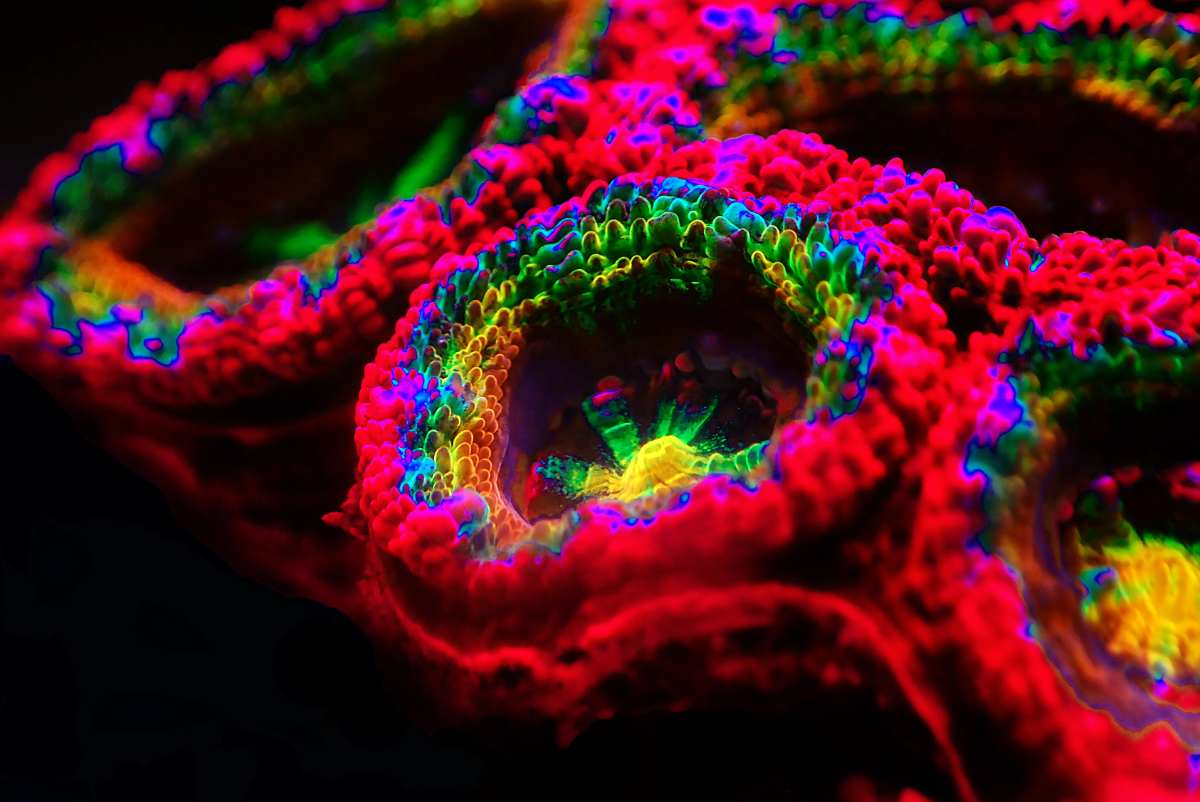
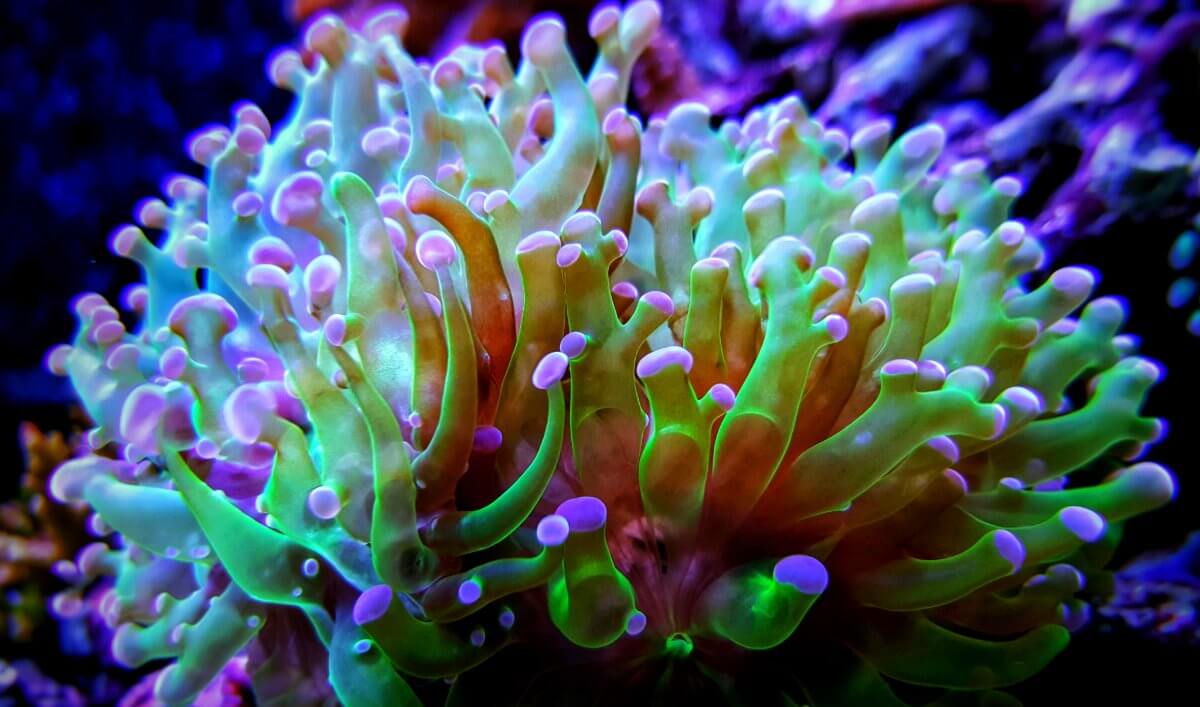
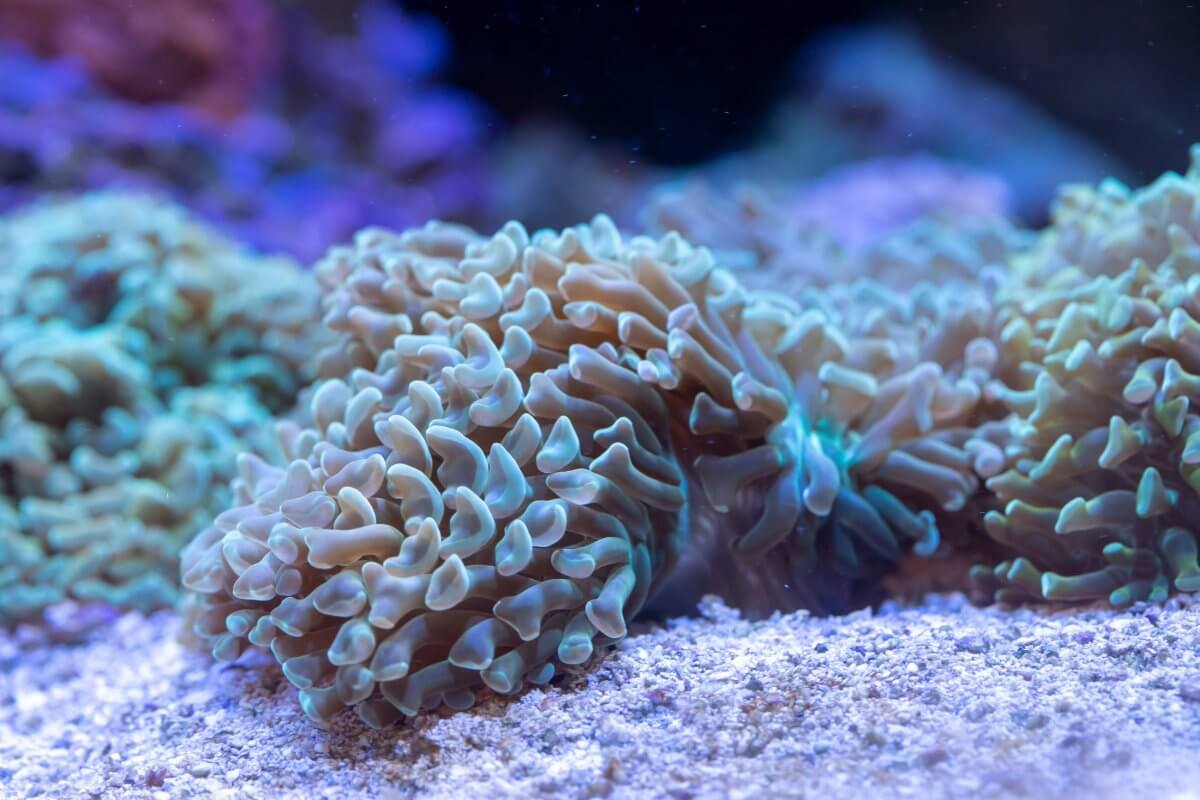
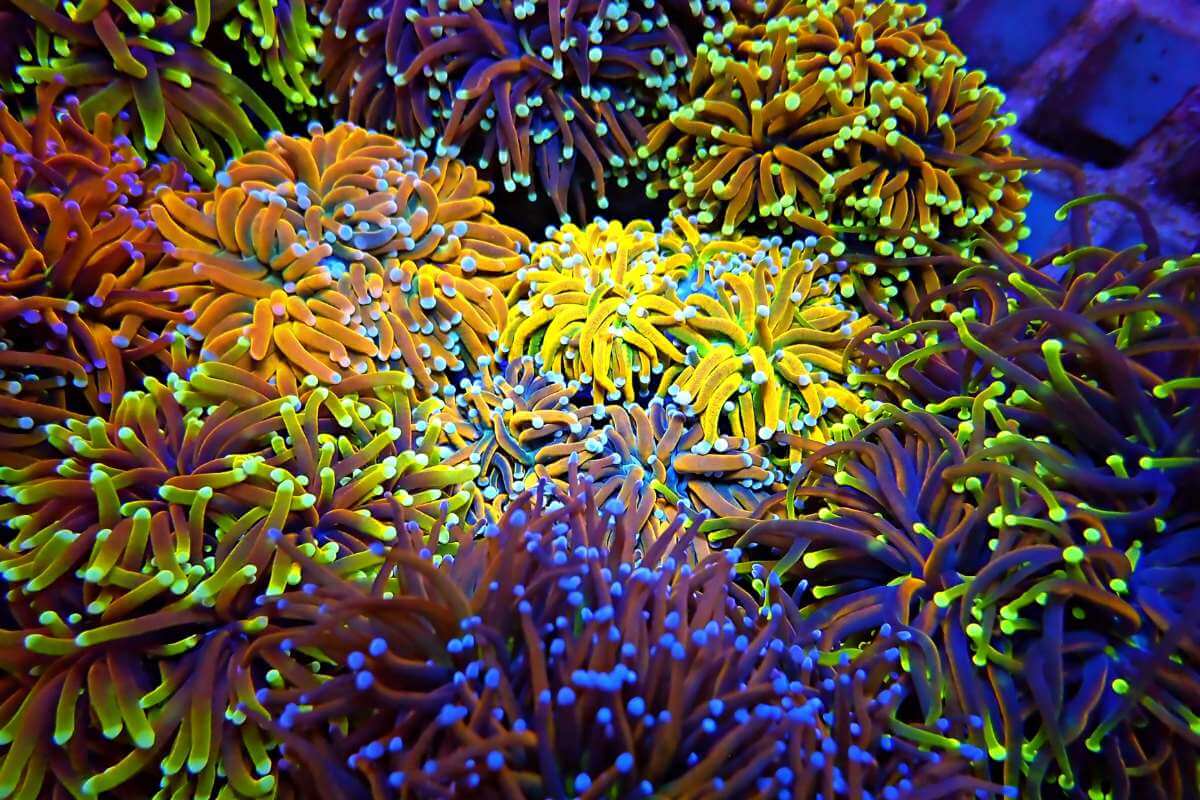
LPS corals have large, fleshy polyps attached to a calcium carbonate skeleton. They include popular species like Torch, Hammer, Frogspawn, Acans, and Brain corals. LPS corals are generally more forgiving than SPS, tolerating moderate lighting and flow. Many have sweeper tentacles that can sting neighboring corals, so proper spacing is essential.
Browse LPS CoralsSmall Polyp Stony Corals
SPS corals have tiny polyps on a hard calcium skeleton and include Acropora, Montipora, Stylophora, and Pocillopora. They require high lighting (200-400+ PAR), strong turbulent flow, and exceptionally stable water parameters. SPS are considered advanced corals because they react quickly to parameter swings.
Browse SPS CoralsSoft Corals
Soft corals lack a hard calcium carbonate skeleton, giving them a flexible, flowing appearance. This category includes Mushrooms, Zoanthids, Leather corals, Kenya Trees, Xenia, and Green Star Polyps. Soft corals are the most beginner-friendly group, tolerating a wide range of lighting, flow, and water conditions.
Browse Soft CoralsLive Coral Price Index
Median asking prices, market movers, and time-to-sell trends for every coral in these guides — computed daily from thousands of live marketplace listings.
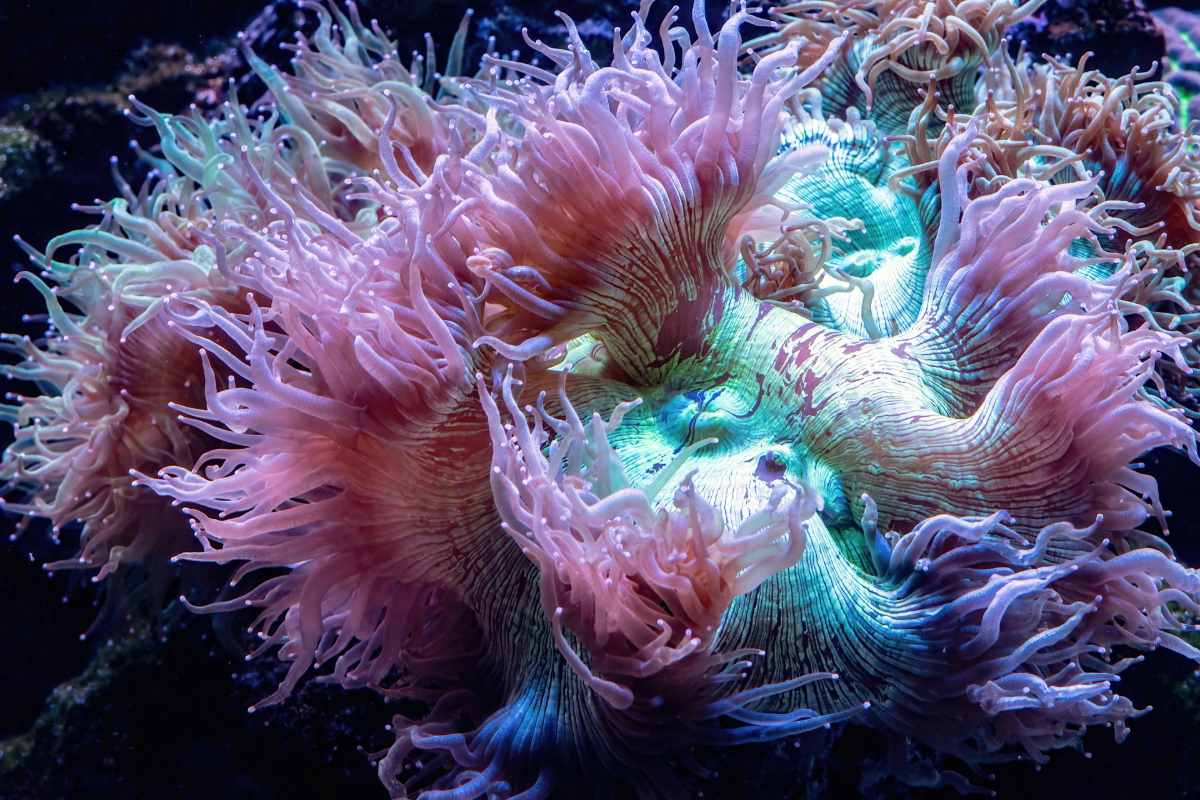
Popular Corals
Explore care guides for some of the most popular corals in the hobby

Complete Coral Index
Explore all 88 coral species
Coral Care Essentials
Successful coral keeping requires understanding four fundamental aspects: water chemistry, lighting, flow, and compatibility. Master these basics and your corals will thrive.
What Water Parameters Do Corals Need?
Corals require stable water chemistry to build their calcium carbonate skeletons and maintain healthy tissue. The three most critical parameters are alkalinity (8-9 dKH is a great target), calcium (380-450 ppm), and magnesium (1280-1350 ppm). These elements work together—if one is off, the others won't be absorbed properly. Temperature should stay between 77-80°F with minimal daily fluctuation.
Stability matters more than hitting perfect numbers. A tank consistently at 8.5 dKH will grow healthier corals than one swinging between 7 and 11 dKH. Test weekly and dose accordingly. For SPS-dominant tanks, many reef keepers test alkalinity daily since these corals consume it rapidly.
How Much Light Do Corals Need?
Corals contain symbiotic algae called zooxanthellae that convert light into energy through photosynthesis. The amount of light a coral needs depends on its species and natural habitat. Light intensity is measured in PAR (Photosynthetically Active Radiation), and matching PAR levels to coral requirements is essential for health and coloration.
Low-light corals like Mushrooms and many soft corals thrive at 50-100 PAR and can actually bleach under intense lighting. LPS corals typically prefer 100-200 PAR in the moderate range. SPS corals, especially Acropora, demand 200-400+ PAR to maintain vibrant colors and dense growth. When adding new corals, always start them lower in the tank and gradually move them up over 2-4 weeks to prevent light shock and bleaching.
Mushrooms, Zoanthids, Pulsing Xenia, most soft corals
Most LPS, Hammer, Torch, Favia, beginner SPS like Montipora
Acropora, Stylophora, Pocillopora, demanding SPS
What Water Flow Do Corals Need?
Water flow serves multiple critical functions for corals: it delivers food particles and nutrients, removes waste and mucus, prevents detritus buildup, and simulates the natural reef environment where corals evolved. Without adequate flow, corals can suffocate under their own waste, develop tissue necrosis, or fail to capture food.
The type of flow matters as much as intensity. Random, turbulent flow that changes direction mimics natural reef conditions and is healthier than constant laminar flow pointing in one direction. Mushrooms and many LPS prefer gentle, indirect flow that allows their polyps to sway without being battered. Branching SPS corals like Acropora evolved in high-energy reef crests and require strong, chaotic flow to maintain tissue health and prevent algae growth between branches.
Mushrooms, Ricordea, Plate corals, some brain corals
Most LPS, Torch, Hammer, Frogspawn, Acans, Zoanthids
Acropora, Montipora, Stylophora, branching SPS
Can Different Corals Be Placed Near Each Other?
Corals compete for space on the reef, and many have evolved weapons to defend their territory. Understanding coral aggression is essential for planning your reef layout. The main forms of coral warfare include sweeper tentacles (extended stinging tentacles that emerge at night), mesenterial filaments (digestive filaments that dissolve neighboring tissue), and chemical warfare (terpenoids and other compounds released into the water).
Euphyllia corals (Torch, Hammer, Frogspawn) are notorious for long sweeper tentacles that can extend 6+ inches at night to sting neighbors. Galaxea corals have even longer reach. Soft corals like Leather corals and Sinularia release chemicals that can inhibit SPS growth—running activated carbon helps mitigate this. Always research each coral's aggression level before placement and provide adequate spacing. When in doubt, give corals more room than you think they need.
Placement Tips
- • Give Euphyllia (Torch, Hammer, Frogspawn) at least 6 inches from other corals
- • Keep soft corals downstream from SPS to minimize chemical exposure
- • Mushrooms can be placed near each other safely
- • Watch for signs of stress: tissue recession, closed polyps, or bleaching near contact points
Related Guides
Continue learning with these in-depth resources
Ready to Add to Your Reef?
Shop 10,000+ coral listings from 30+ stores and fellow hobbyists in Meta Reef's coral marketplace.