
Acropora Coral Care Guide
Acropora corals are advanced SPS corals prized for their colors and fast growth in stable reef aquariums. This care guide covers lighting, water flow, placement, and husbandry tips to help experienced reef keepers maintain healthy colonies.
About Acropora
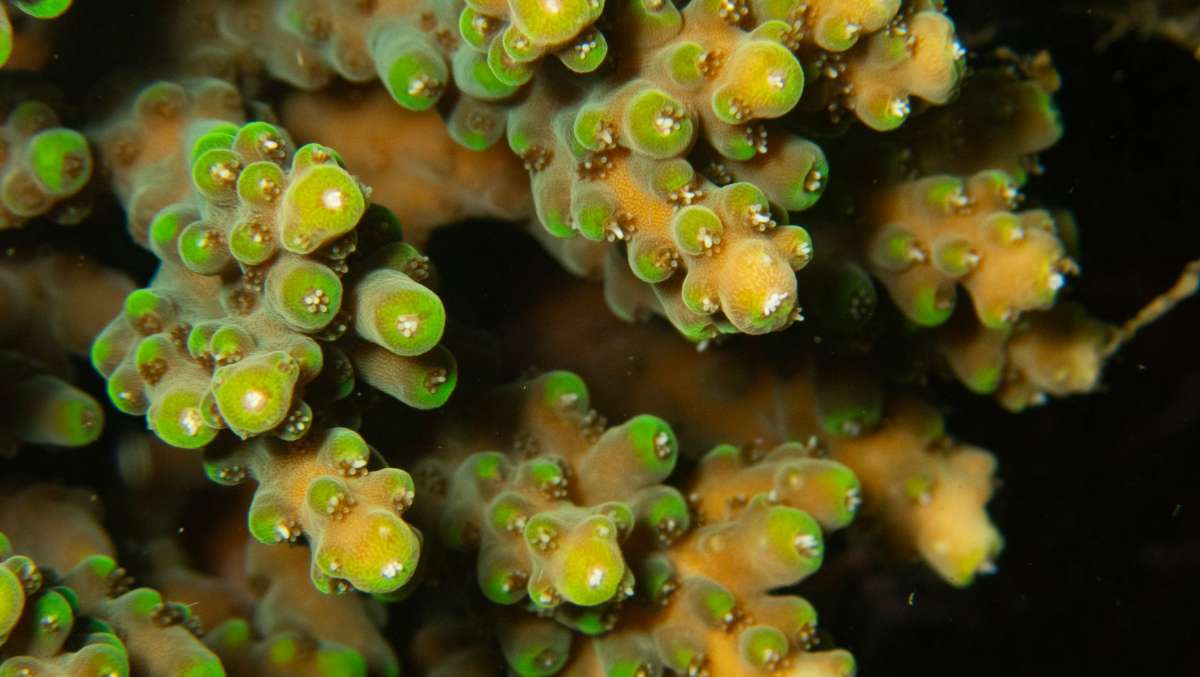
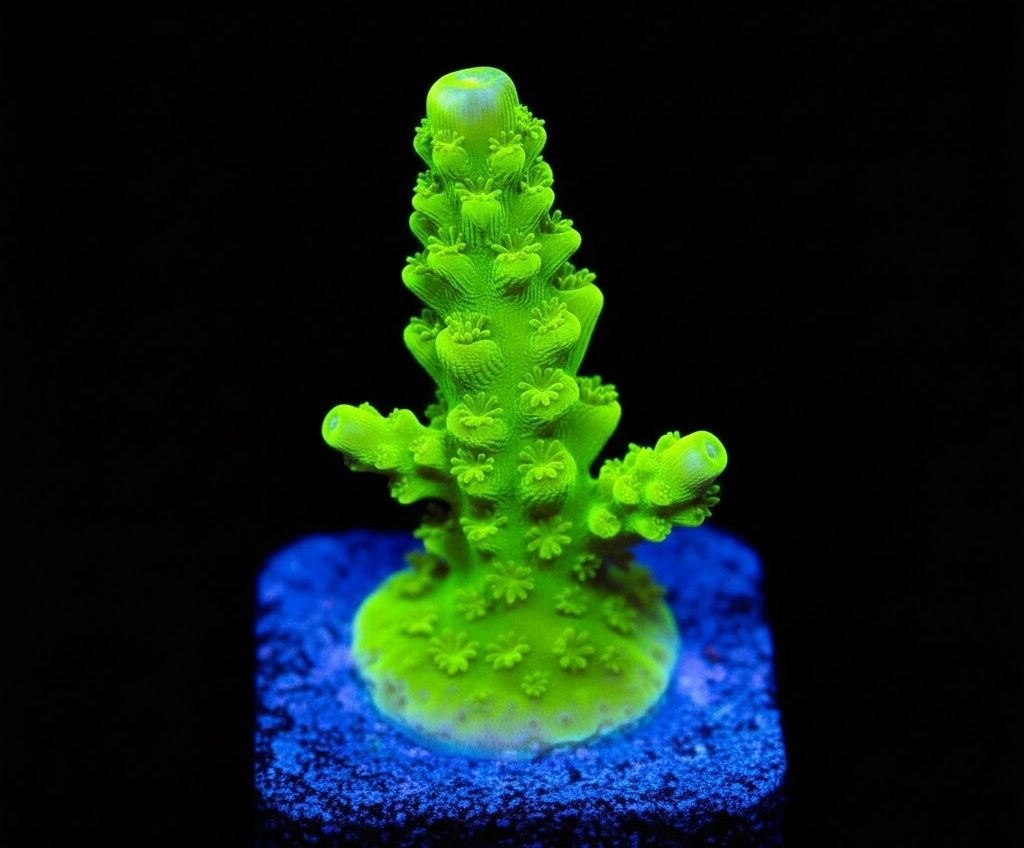
Acropora (Acropora spp.) is a large polyp stony coral genus comprising over 150 species, making Acropora the most diverse and sought-after SPS coral group in the reef aquarium hobby. Acropora corals display remarkable growth forms including branching, tabling, staghorn, and bushy structures, with coloration spanning blues, pinks, greens, purples, and multicolor combinations that fluoresce under actinic lighting. Acropora typically thrives under high-intensity lighting of 250-400 PAR and strong, turbulent water flow.
Acropora corals demand exceptionally stable water chemistry with minimal alkalinity fluctuations, making the genus suitable only for experienced reef keepers with mature systems running at least 6-12 months. Acropora colonies can grow rapidly under optimal conditions, though the genus remains highly susceptible to tissue necrosis (RTN/STN) and Acropora-specific pests including flatworms and red bugs.
Care Requirements
Quick overview for keeping your coral thriving
Difficulty
Advanced
Lighting
High
Water Flow
High
Detailed Care Guide
In-depth information for optimal care
Difficulty Level
Advanced
Acropora represents the most demanding coral genus in the reef aquarium hobby, requiring precise control over water chemistry, lighting, and flow parameters that leave little room for error. Acropora colonies respond negatively to significant alkalinity swings, temperature fluctuations, and any measurable ammonia or nitrite.
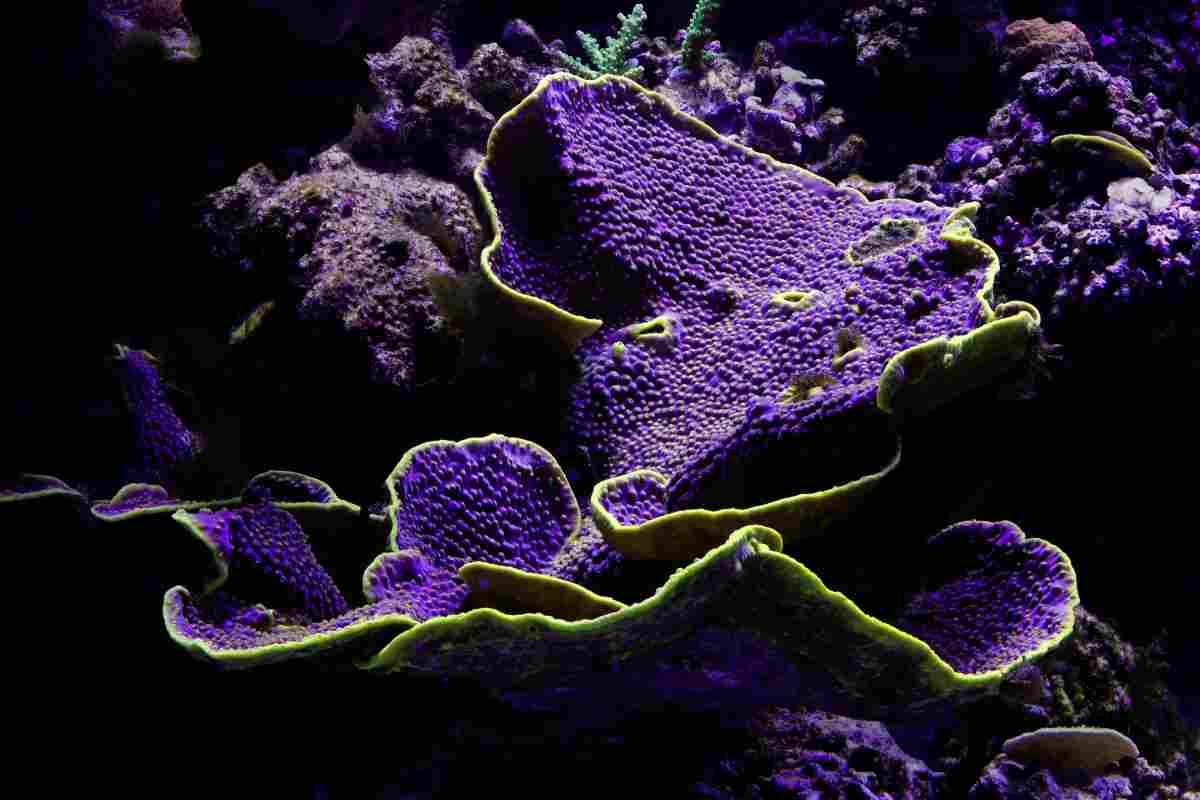
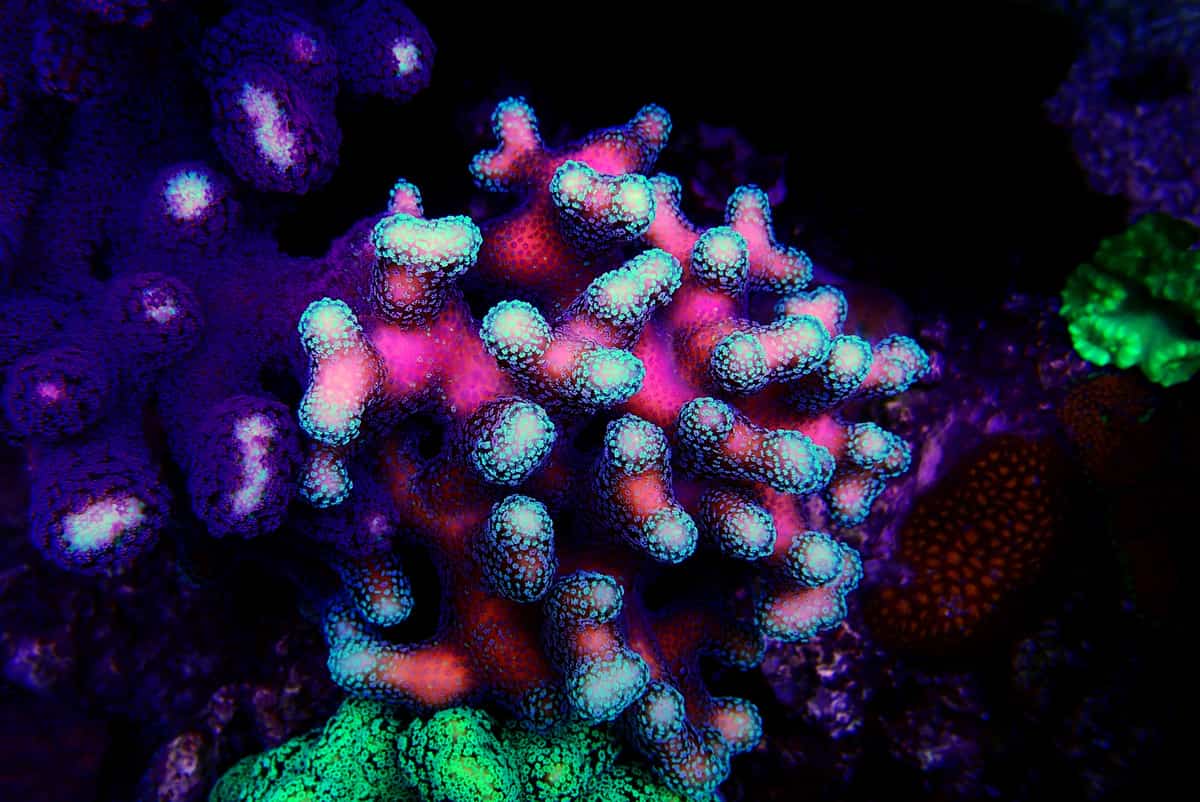
Reef keepers should establish their aquarium for 6-12 months before attempting Acropora, ensuring the system demonstrates consistent parameter stability and successful maintenance of other SPS corals like Montipora or Stylophora before progressing to Acropora.
Lighting Requirements
High
Acropora corals thrive under intense lighting with PAR levels between 250-400 for optimal growth and coloration, with some shallow-water species tolerating 600+ PAR when provided stable alkalinity and adequate nutrition. Most Acropora species benefit from 7-9 hours of peak lighting daily with gradual ramp-up and ramp-down periods simulating natural reef photoperiods.
Acropora coloration responds dramatically to lighting intensity and spectrum, with higher PAR promoting vibrant blues, purples, and pinks while insufficient light causes browning from zooxanthellae overgrowth. New Acropora additions should begin at lower tank positions around 150-200 PAR and gradually acclimate upward over 2-4 weeks to prevent bleaching.
Water Flow
High
Acropora corals thrive in strong, turbulent water flow typical of SPS-dominated systems, replicating the wave-swept reef crest environments where wild Acropora colonies grow. Acropora benefits from randomized, indirect flow patterns created by wavemakers or gyre pumps rather than direct laminar flow that can damage delicate tissue.
Acropora polyps retract when flow is excessive or too direct, while insufficient flow allows detritus accumulation that promotes algae growth and bacterial infections. Acropora growth patterns adapt to flow conditions, with colonies in higher flow developing thicker, denser branches compared to specimens in gentler currents.
Keep your Acropora healthy
Save photos, placement, parameters, and what you paid — and see how your Acropora changes over time.
Parameters
In range8.5 dKH
Alkalinity target 8–9 dKH · sample data
Your Acropora
just added$70 paid
value from live market
Acropora Eating Flatworms (AEFW)
Acropora Eating Flatworms (Amakusaplana acroporae) represent one of the most destructive pests affecting Acropora colonies in reef aquariums, capable of devastating entire collections within weeks if left untreated. AEFW measure 2-3mm in length and camouflage effectively against host coral tissue by ingesting zooxanthellae, making visual detection difficult without magnification or dipping protocols.
AEFW infestations produce characteristic bite marks appearing as small pale spots on Acropora tissue, with tan or brown egg clusters visible at colony bases where flatworms deposit eggs protected from coral dips. Reef keepers should quarantine all new Acropora for 3-6 weeks minimum, dipping every 4-7 days with CoralRx or Revive while examining for flatworms in a white bowl with Lugol's solution. Wrasse species including six-line and yellow coris provide biological control by consuming adult flatworms, though dipping remains essential as fish cannot target eggs or flatworms hidden within coral branches.
Red Bugs (Tegastes acroporanus)
Acropora Red Bugs (Tegastes acroporanus) are microscopic copepods measuring approximately 0.5mm that infest Acropora colonies, appearing as tiny red or yellow-orange specks moving across tissue surfaces. Red bug infestations cause poor polyp extension, gradual color loss, and overall decline in Acropora health, with certain species like Acropora valida (tricolor) showing particular susceptibility to heavy infestations.
Red bug treatment requires Milbemycin Oxime (the active ingredient in dog heartworm medication Interceptor), administered to the entire tank in three doses spaced one week apart, with each treatment lasting 6 hours followed by a 25% water change. Reef keepers must understand that Milbemycin treatment kills most crustaceans including copepods, hermit crabs, and potentially shrimp, requiring careful consideration before proceeding. Prevention through quarantine and regular inspection of new Acropora acquisitions remains the most effective strategy, as red bugs commonly arrive undetected on both wild-collected and aquacultured specimens.
Buying Advice
What to look for when purchasing
Coloration
Look for vibrant, consistent coloration — blues, pinks, greens, and multicolor tips are highly valued. Dull or brown frags may indicate stress. Healthy Acropora often show pale or white tips at branch ends, indicating active growth.
Tissue Health
Choose frags with full tissue coverage and no exposed white skeleton. Avoid pieces with necrosis or recession at the base.
Encrusting Base
If the frag is mounted, check for signs that it has begun to encrust onto the plug or mounting surface. Encrusting is a strong indicator of recent, healthy growth and better long-term stability. Note that very fresh frags may not show encrusting yet, which isn’t necessarily a red flag if the tissue looks healthy.
Taxonomy
Species
Reef Value
Live pricing$1,860
+$120 this month
Priced from live marketplace listings
Acropora
Just added · Frag rack
$70
Hammer Coral
8 months · Mid rock
$65
Zoa Colony
1 year · Sand bed
$40
Track Your Reef
Add your Acropora to your tank's living inventory — placement, source, and photos as it grows — next to the parameter logs and maintenance history that keep it thriving. Reef Value even shows what your collection is worth, priced from live marketplace listings.
Find Your Perfect Acropora
Compare prices from 19+ verified sellers. From budget-friendly frags to rare collector pieces.
Starting at
$10
Average Price
$70
Premium frags up to
$2500
Full Price History
Trends, movers & market data
Frequently Asked
Common questions about Acropora corals
Is Acropora Coral hard to keep?
Acropora corals rank among the most challenging coral genera to maintain in home aquariums due to their sensitivity to water parameter fluctuations and demanding environmental requirements. Acropora typically thrives under high-intensity lighting of 250-400 PAR, strong turbulent flow, and exceptionally stable alkalinity, calcium, and magnesium levels. Reef keepers should establish their aquarium for at least 6-12 months before introducing Acropora, ensuring the system maintains consistent parameters without significant daily swings.
Acropora colonies reward patient aquarists who provide stable conditions with rapid growth and exceptional coloration, though the genus remains unforgiving of parameter instability or equipment failures.
How fast does Acropora Coral grow?
Acropora corals grow faster than most other coral genera when provided with optimal conditions, with some healthy colonies capable of rapid branch extension. Acropora growth rates vary significantly between the 150+ species in the genus, with branching varieties like Acropora tenuis and Acropora millepora typically growing faster than tabling or encrusting forms.
Acropora colonies grow best with stable alkalinity above 8 dKH, calcium at 400-450 ppm, and consistent high lighting. Newly introduced Acropora frags often take 2-4 weeks to acclimate before visible growth begins.
Why is my Acropora Coral turning brown?
Acropora corals turn brown when zooxanthellae populations increase excessively within the coral tissue, a response typically triggered by elevated nutrient levels or insufficient lighting intensity. Acropora browning commonly occurs in tanks with nitrate levels above 10 ppm or phosphate above 0.1 ppm, as excess nutrients fuel zooxanthellae reproduction that masks the coral's natural pigmentation.
Acropora frags recently introduced to a new system may brown temporarily as they acclimate to different lighting conditions. Reef keepers experiencing Acropora browning should verify PAR levels reach 250-400 at the coral's placement and consider reducing feeding or improving nutrient export through increased skimming or water changes.
What causes RTN and STN in Acropora?
Acropora corals suffer from Rapid Tissue Necrosis (RTN) and Slow Tissue Necrosis (STN) when bacterial infections, protozoan parasites, or environmental stressors overwhelm the coral's natural defenses. RTN in Acropora often involves Vibrio bacteria and Philaster parasites, causing complete tissue loss within 24-48 hours, while STN progresses over days or weeks with tissue gradually receding from the base upward.
Acropora colonies become vulnerable to tissue necrosis following temperature spikes, rapid alkalinity swings, or introduction of pathogens from new corals. Reef keepers can reduce RTN/STN risk by quarantining new additions, maintaining stable parameters, and promptly fragging affected colonies at least half an inch ahead of receding tissue.
What PAR do Acropora corals need?
Acropora corals typically thrive at PAR levels between 250-400 for optimal growth and coloration, with some shallow-water species tolerating up to 600 PAR when provided adequate nutrition and stable alkalinity. Acropora placement should target the upper third of the aquarium where lighting intensity peaks, though newly introduced colonies benefit from starting at lower positions around 150-200 PAR before gradual acclimation upward over 2-4 weeks.
Acropora corals receiving insufficient light below 200 PAR often brown out and grow slowly, while excessive light without proper acclimation causes bleaching as zooxanthellae are expelled. Most Acropora thrive with 7-9 hours of peak lighting daily, with gradual ramp-up and ramp-down periods simulating natural reef conditions.
How do you prevent AEFW in Acropora?
Acropora Eating Flatworms (AEFW) prevention requires quarantining all new Acropora additions for 3-6 weeks with regular coral dips every 4-7 days using products like CoralRx or Revive. AEFW infestations devastate Acropora colonies by consuming tissue from the base upward, leaving characteristic bite marks and tan egg clusters visible under close inspection.
Reef keepers should examine new Acropora under magnification for flatworms that camouflage against coral tissue by ingesting zooxanthellae, appearing as 2-3mm oval disks matching the host's coloration. Dipping Acropora in a bowl of tank water with Lugol's solution and blasting with a turkey baster reveals hidden flatworms, and established tanks benefit from wrasse species that prey on adult AEFW.
Explore Related Corals
Popular corals you might also be interested in
All SPS Corals
Browse the complete collection of SPS coral care guides