
Stylophora Coral Care Guide
Stylophora corals are beginner-friendly SPS corals known for being among the hardiest small polyp stony corals in the reef aquarium hobby. This care guide covers lighting requirements, water flow needs, placement strategies, and propagation tips to help reef keepers new to SPS maintain thriving colonies.
About Stylophora
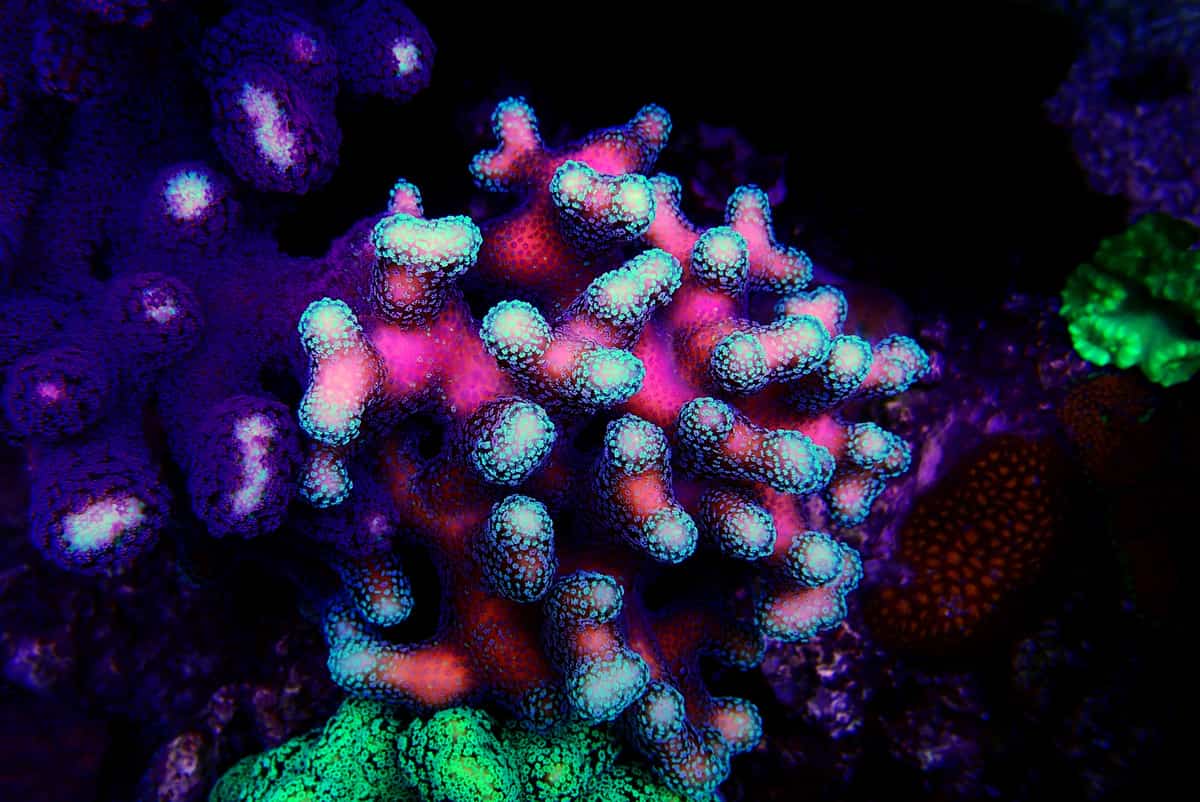
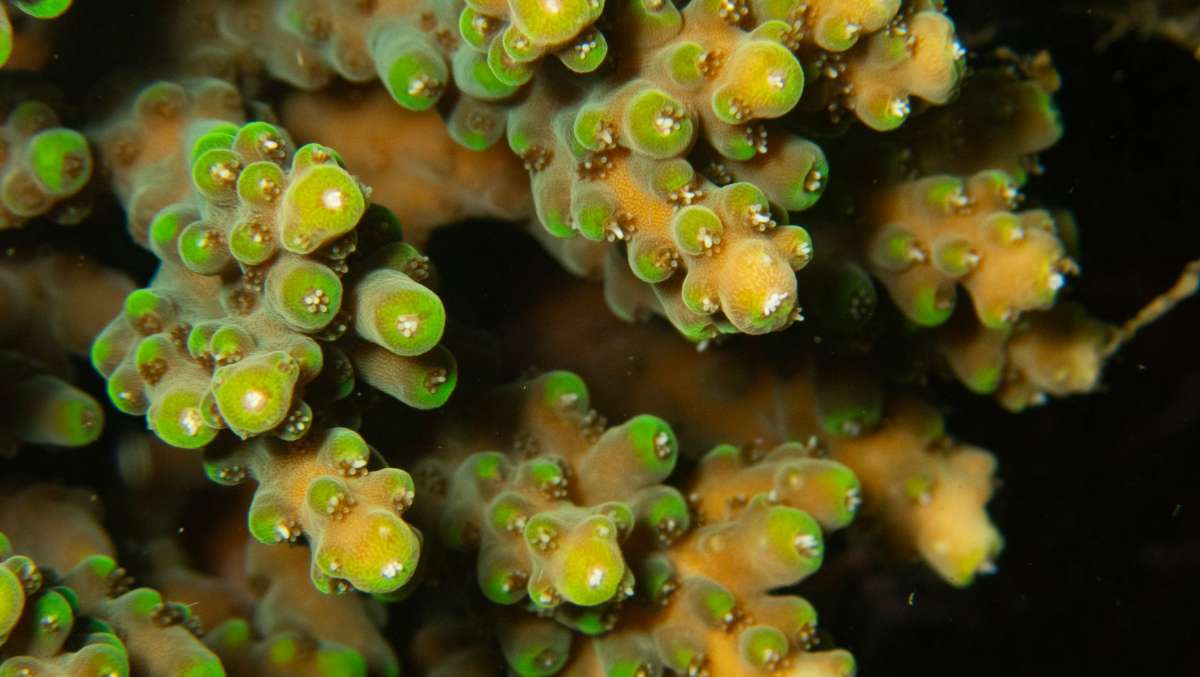
Stylophora (Stylophora pistillata) is a small polyp stony coral known for its thick finger-like branches with distinctive blunt ends, commonly called "Cat's Paw" or "Smooth Cauliflower" coral in the aquarium trade. Stylophora colonies form dense branching structures with small polyps that extend significantly when healthy, creating a fuzzy, velvety appearance that ripples in water flow. The genus includes nine valid species displaying vibrant colors including purple, pink, green, orange, and multicolored morphs, with the "Milka" purple variant featuring striking purple branches and bright white growth tips.
Stylophora typically thrives under moderate to high lighting of 250-350 PAR and strong alternating water flow, making it suitable for intermediate aquarists maintaining stable SPS reef systems. Stylophora is considered one of the most forgiving and hardy SPS coral varieties, tolerating a wider range of parameters than demanding species like Acropora, which makes it an excellent first SPS coral for reef keepers developing SPS husbandry skills.
Stylophora corals are peaceful with no sweeper tentacles or sting, allowing safe placement near other corals, though colonies should be positioned on exposed upper rockwork to receive adequate light and flow for optimal polyp extension and growth rates of 2-4 inches per year.
Care Requirements
Quick overview for keeping your coral thriving
Difficulty
Intermediate
Lighting
Moderate
Water Flow
High
Detailed Care Guide
In-depth information for optimal care
Difficulty Level
Intermediate
Stylophora corals are considered one of the hardiest and most forgiving SPS coral varieties, making them an excellent choice for aquarists new to keeping small polyp stony corals. Stylophora tolerates a wider range of lighting intensities and flow patterns than more demanding SPS species like Acropora, and adapts well to varying system configurations during the learning curve typical of new SPS keepers.
While Stylophora is beginner-friendly for an SPS coral, stable water parameters with calcium 420-440 ppm, alkalinity 8-9.5 dKH, and magnesium 1260-1350 ppm are still required, along with low nutrient levels with nitrates 1-5 ppm and phosphates near 0.01 ppm. Stylophora's natural habitat in shallow reef surge zones makes colonies particularly resilient to parameter fluctuations compared to deeper-water SPS species.
Lighting Requirements
Moderate
Stylophora thrives under moderate to high lighting with PAR values of 250-350, though established colonies can tolerate a wider range from 200-400 PAR depending on acclimation. New Stylophora frags and colonies should be placed at 200-250 PAR initially and gradually moved to higher light positions over 2-3 weeks to prevent bleaching stress from sudden intensity changes.
Under optimal lighting conditions, Stylophora maintains vibrant coloration with white growth tips on actively growing branch ends, while insufficient lighting causes tissue darkening, polyp retraction, and loss of the characteristic white tips. Stylophora adapts to various lighting technologies including LED, T5, and metal halide, though full-spectrum lighting brings out the best color intensity in popular morphs like the purple "Milka" variant.
Water Flow
High
Stylophora thrives with strong, alternating water flow, as these corals naturally occur in shallow surge zones with very strong wave action. Proper flow keeps the small polyps in constant gentle motion, prevents detritus accumulation between branches, and delivers planktonic food particles to the colony.
Indirect or alternating flow patterns work best, as direct laminar flow hitting one side of the colony continuously can cause tissue recession on the flow-facing side over time. When Stylophora polyps are fully extended and exhibiting their characteristic fuzzy appearance with visible rippling movement, flow levels are appropriate for optimal health and growth.
Keep your Stylophora healthy
Save photos, placement, parameters, and what you paid — and see how your Stylophora changes over time.
Parameters
In range8.5 dKH
Alkalinity target 8–9 dKH · sample data
Your Stylophora
just added$40 paid
value from live market
Buying Advice
What to look for when purchasing
Polyp Extension
Healthy Stylophora should display visible polyp extension creating a fuzzy, velvety appearance across the colony when viewed in the store display tank. Fully retracted polyps with a smooth, bare skeleton surface may indicate stress, poor water quality in the holding system, or recent shipping trauma. Observe the coral for several minutes to ensure consistent polyp extension rather than temporary retraction from sudden movement or disturbance.
Branch Tip Condition
Look for bright white or light-colored tips on the branch ends, which indicate active growth and healthy tissue. Brown, darkened, or receding tissue at branch tips suggests declining health, insufficient lighting in the holding system, or bacterial infection. Avoid colonies with visible tissue recession exposing white skeleton, as SPS tissue loss can be difficult to reverse once started.
Color and Tissue Integrity
Stylophora tissue should appear vibrant with even coloration across the entire colony without pale patches, dark spots, or uneven pigmentation that may indicate stress or disease. Check that tissue fully covers the skeleton without any exposed white areas, particularly at branch junctions and the colony base where tissue recession often begins. Verify that the color matches the described morph, with purple varieties like "Milka" Stylophora showing consistent purple hues rather than washed-out or brown tones from inadequate lighting.
Pest Inspection
Carefully inspect the colony and its base for common SPS pests including red bugs (small red crustaceans on the tissue), flatworms, and parasitic snails, though Stylophora is less susceptible to Acropora-specific pests like Acropora-eating flatworms. Examine branch crotches and the underside of the colony where pests tend to hide. Consider dipping all new Stylophora colonies in a coral dip like CoralRx or Revive before adding to the display tank to eliminate any hitchhiking pests.
Attachment and Base Quality
Check that the frag plug or base is securely attached to the colony with no loose connections that might indicate a fresh frag that hasn't healed, and verify that tissue extends fully onto the mounting surface rather than showing exposed skeleton at the attachment point. For larger colonies, ensure the base skeleton appears solid without excessive porosity, dead sections, or structural weaknesses that could cause the colony to break under its own weight as it grows.
Taxonomy
Species
Reef Value
Live pricing$1,860
+$120 this month
Priced from live marketplace listings
Stylophora
Just added · Frag rack
$40
Hammer Coral
8 months · Mid rock
$65
Zoa Colony
1 year · Sand bed
$40
Track Your Reef
Add your Stylophora to your tank's living inventory — placement, source, and photos as it grows — next to the parameter logs and maintenance history that keep it thriving. Reef Value even shows what your collection is worth, priced from live marketplace listings.
Find Your Perfect Stylophora
Compare prices from 10+ verified sellers. From budget-friendly frags to rare collector pieces.
Starting at
$23
Average Price
$40
Premium frags up to
$169
Full Price History
Trends, movers & market data
Frequently Asked
Common questions about Stylophora corals
Is Stylophora a good beginner SPS coral?
Stylophora is widely considered one of the best beginner SPS corals due to its exceptional hardiness and tolerance compared to more demanding small polyp stony species like Acropora. Stylophora adapts to a wide range of lighting intensities from 200-400 PAR and flow patterns, allowing new SPS keepers to succeed even while learning optimal placement strategies and system tuning.
The coral's natural occurrence in shallow, high-energy surge zones makes it particularly resilient to minor parameter fluctuations that would stress more sensitive SPS species from deeper, more stable reef environments. While Stylophora is forgiving for an SPS coral, stable calcium, alkalinity, and magnesium levels along with low nutrients are still required for long-term success, making it an ideal first SPS coral for intermediate aquarists with established reef systems ready to transition from LPS to SPS keeping.
How much light does Stylophora need?
Stylophora thrives under moderate to high lighting with optimal PAR values of 250-350, and established colonies can tolerate a range from 200-400 PAR once properly acclimated. New Stylophora frags and colonies should be placed at lower light levels around 200-250 PAR initially and gradually moved to higher positions over 2-3 weeks to prevent bleaching from sudden light intensity increases.
Under proper lighting, Stylophora displays vibrant coloration with characteristic bright white growth tips on actively growing branch ends, while insufficient light causes tissue darkening, polyp retraction, and loss of the white tips that indicate healthy growth. Placement in the upper half of the aquarium on exposed rockwork typically provides appropriate light levels for most lighting systems including LED, T5 fluorescent, and metal halide technologies.
How fast does Stylophora grow?
Stylophora exhibits moderate growth rates of approximately 2-4 inches per year under optimal conditions with stable parameters, appropriate lighting of 250-350 PAR, and strong flow. Growth may start slowly during the initial acclimation period of 2-4 weeks after placement, but becomes more rapid and consistent once the coral establishes itself in the aquarium system.
Well-fed Stylophora colonies receiving supplemental feedings of amino acids or phytoplankton may show enhanced growth rates at the upper end of the typical range, with visible branch extension and the appearance of new white growth tips within weeks of optimal care. Single frags can develop into colonies spanning several inches within 6-12 months under ideal reef conditions, making Stylophora a rewarding choice for aquarists seeking relatively fast-growing SPS corals without the extreme demands of Acropora species.
Where should Stylophora be placed in the tank?
Stylophora should be placed on exposed rockwork in the upper half of the reef aquarium where the colony receives strong, alternating water flow and moderate to high lighting of 250-350 PAR. Positioning Stylophora on an isolated rock or prominent ledge allows water flow to reach all sides of the colony, preventing detritus accumulation and ensuring even polyp extension across the entire structure.
Since Stylophora is a peaceful coral with no sweeper tentacles or aggressive sting, colonies can be placed relatively close to other peaceful SPS and LPS corals, though several inches of space should be maintained from aggressive species with long sweeper tentacles like Euphyllia that could damage Stylophora tissue. Mounting frags with the base cut square and vertical allows for natural upward and outward growth as the colony matures, and placement away from overhangs or shadowed areas ensures consistent light exposure to all branch tips for optimal growth and white tip development.
What is the difference between Stylophora and Pocillopora?
Stylophora and Pocillopora are closely related branching SPS corals in the family Pocilloporidae with similar appearance, but can be distinguished by branch structure and surface texture. Stylophora forms colonies with smooth, thick branches ending in distinctive blunt, rounded tips and exhibits a very even overall appearance with small polyps creating a uniform fuzzy texture when extended. Pocillopora, known as "Cauliflower Coral," displays more irregular branching with a rougher, bumpier surface texture featuring sunken corallites and lumpy growth formations that give it a less uniform appearance than Stylophora's smooth structure.
Both corals have similar care requirements needing high light and strong flow, though Pocillopora is known for releasing planula larvae that can settle elsewhere in the tank, while Stylophora primarily reproduces through fragmentation in aquarium settings, making Stylophora less likely to create unintended colonies throughout the reef.
Do Stylophora corals need to be fed?
Stylophora are primarily photosynthetic corals relying on zooxanthellae symbiotic algae for the majority of their nutritional needs and do not require direct feeding to survive in reef aquariums with proper lighting. However, Stylophora colonies can benefit from supplemental feedings of phytoplankton, amino acids, or finely powdered coral foods, which may enhance coloration, increase growth rates, and improve overall health, particularly for the small polyps that can capture tiny food particles from the water column.
Broadcast feeding liquid foods during periods of high water flow allows the small Stylophora polyps to capture particles, though the coral's primary nutrition comes from photosynthesis under appropriate lighting of 250-350 PAR. Many successful reef keepers maintain thriving Stylophora colonies without any direct feeding by ensuring low nutrient levels, stable parameters, and proper lighting, demonstrating that feeding is optional rather than required for this hardy SPS species.
Explore Related Corals
Popular corals you might also be interested in
All SPS Corals
Browse the complete collection of SPS coral care guides