
Millepora Coral Care Guide
Acropora millepora is a stunning SPS coral known for its exceptional color variety and compact branching growth form. This care guide covers lighting, water flow, placement, pest prevention, and parameter stability to help experienced reef keepers maintain vibrant, healthy colonies of this prized species.
About Millepora
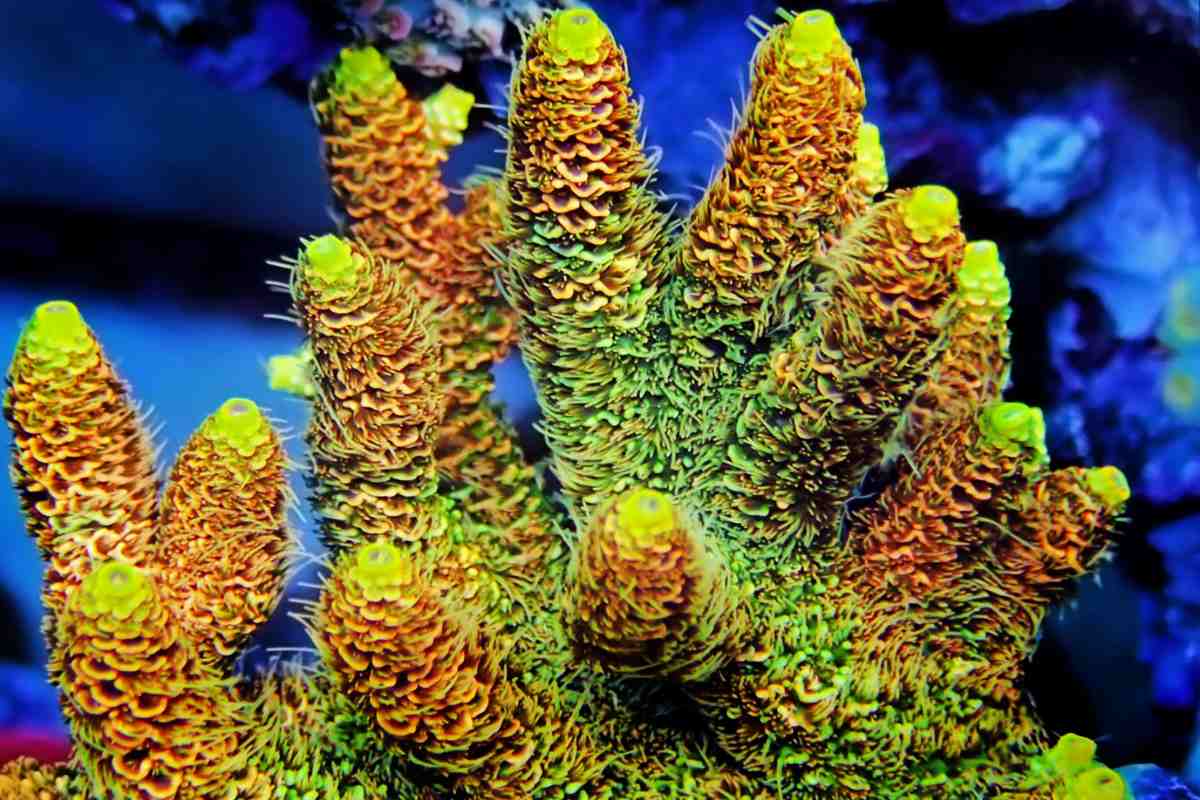
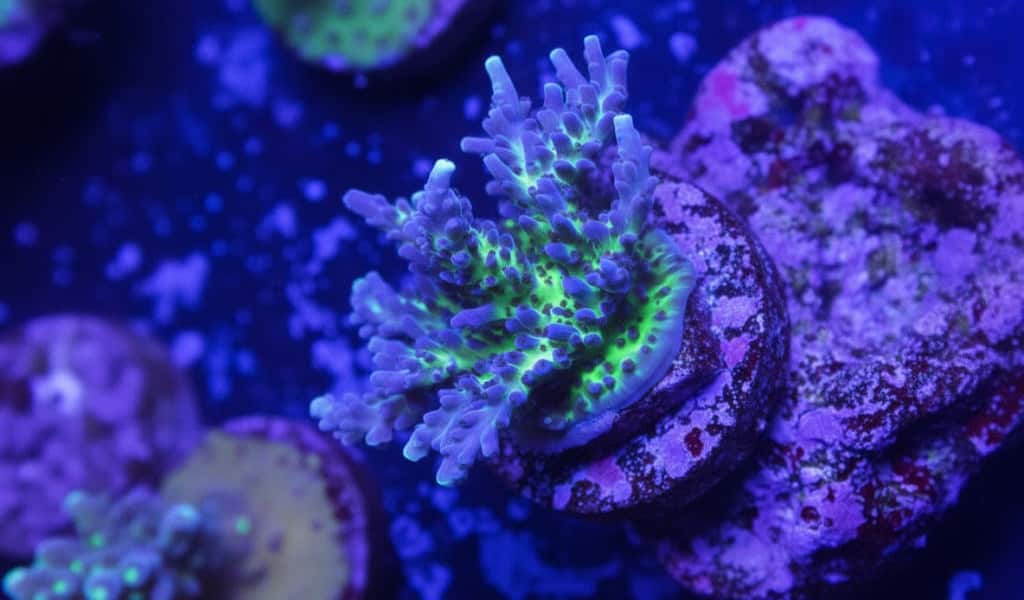
Acropora millepora is a branching small polyp stony coral native to shallow reef slopes and lagoons throughout the Indo-Pacific, recognized by its fuzzy appearance from characteristically long polyp extension. Acropora millepora forms dense, clustered colonies with relatively thick branches compared to more delicate Acropora species, displaying famous color morphs including Strawberry Shortcake (lime green base with pink tips and red polyps), Rainbow, Ultra, and countless collector variations. Acropora millepora typically thrives under high-intensity lighting of 300-450 PAR and strong turbulent water flow, with placement in the middle to upper regions of established reef aquariums producing optimal growth and coloration.
Acropora millepora demands pristine water quality with stable alkalinity, calcium, and magnesium levels, making this species suitable only for experienced reef keepers with mature systems running at least one year. Acropora millepora is particularly susceptible to Acropora-Eating Flatworms (AEFW), requiring quarantine and dipping protocols for all new specimens.
Care Requirements
Quick overview for keeping your coral thriving
Difficulty
Advanced
Lighting
High
Water Flow
High
Detailed Care Guide
In-depth information for optimal care
Difficulty Level
Advanced
Acropora millepora needs expert-level care with pristine water quality, high-intensity lighting, and extremely stable parameters to thrive. Acropora millepora should only be added to established reef systems running at least one year, as immature tanks lack the biological stability this species demands. Parameter swings in alkalinity, calcium, or temperature cause rapid stress responses including color loss, tissue recession, and susceptibility to bacterial infections.
Successful Acropora millepora keepers maintain consistent dosing schedules using dosing pumps, perform regular ICP testing, and quarantine all new specimens to prevent pest introduction.
Lighting Requirements
High
Acropora millepora thrives at 300-450 PAR, with most successful hobbyists maintaining specimens in the 350-450 range for optimal coloration and growth. Acropora millepora can tolerate up to 600-800 PAR in systems with proper alkalinity and nutrition, though many reef keepers report better success at moderate-high levels around 350-400 PAR. LED lighting requires particular attention, as Acropora millepora tends to burn more easily under LEDs than equivalent PAR from T5 or metal halide fixtures.
New Acropora millepora frags should be placed lower in the tank and gradually acclimated upward over 2-3 weeks. Browning indicates insufficient light or elevated nutrients, while bleaching signals excessive light intensity.
Water Flow
High
Acropora millepora thrives with strong, turbulent water flow essential for nutrient exchange, waste removal, and preventing algae settlement on polyps. Acropora millepora thrives with randomized flow patterns created by wave makers and gyres that simulate natural reef conditions with 40-50x tank turnover per hour. Direct laminar flow from powerheads should be avoided, as constant unidirectional current causes tissue damage and prevents polyp extension.
Reef keepers should observe polyp behavior to gauge flow appropriateness—Acropora millepora with retracted polyps may indicate excessive direct flow, while detritus accumulation suggests insufficient circulation.
Keep your Millepora healthy
Save photos, placement, parameters, and what you paid — and see how your Millepora changes over time.
Parameters
In range8.5 dKH
Alkalinity target 8–9 dKH · sample data
Your Millepora
just added$60 paid
value from live market
Acropora Pests
AEFW and Red Bugs
Acropora millepora is highly susceptible to Acropora-Eating Flatworms (AEFW), with some hobbyists reporting this species as a particular favorite target. AEFW are small brownish-clear flatworms under half an inch that consume zooxanthellae, leaving Acropora millepora bleached, unhealthy, and vulnerable to secondary infections. Red bugs (Tegastes acroporanus) are microscopic copepods that infest Acropora species exclusively, causing loss of tip coloration and overall browning.
Reef keepers must quarantine and dip all new Acropora millepora frags before introduction to display tanks. Effective dipping treatments include Bayer Insecticide for red bugs, Fauna Marin AEFW X for flatworms, and products containing milbemycin oxime (Interceptor). A multi-week dipping protocol—daily dips the first week, every other day the second week, then weekly for four additional weeks—helps eliminate pest populations and egg cycles. Wrasses provide supplemental natural predation but cannot achieve complete eradication alone.
Tissue Necrosis Prevention
STN and RTN in Acropora
Acropora millepora can experience Slow Tissue Necrosis (STN) progressing over days to weeks or Rapid Tissue Necrosis (RTN) occurring within 24 hours, both presenting as visible tissue loss exposing white skeleton. STN and RTN in Acropora millepora may result from bacterial infections (Vibrio species), parasitic organisms, parameter instability, or contamination from overdosed additives like GFO.
Reef keepers noticing tissue recession should immediately frag healthy portions at least 0.5 cm away from affected areas, perform iodine dips, and investigate potential causes including alkalinity swings, zero phosphate conditions, low pH, or stray voltage from equipment. Maintaining phosphate around 0.03-0.1 ppm rather than zero, keeping pH stable above 8.0, and using ICP testing to detect contaminants helps prevent necrosis events. Large mariculture Acropora millepora colonies carry higher risk than aquacultured specimens.
Buying Advice
What to look for when purchasing
Color and Polyp Extension
Healthy Acropora millepora displays vibrant coloration with visible polyp extension during the light cycle, creating the characteristic fuzzy appearance. Acropora millepora with retracted polyps or dull coloration may indicate stress, pest infestation, or declining health.
Tissue Health
Acropora millepora frags should have complete tissue coverage with no exposed white skeleton, tissue recession, or bare spots. Healthy specimens display full intact tissue covering all branches with contrasting growth tips indicating active calcification.
Pest Inspection
Acropora millepora buyers should inspect frags carefully for AEFW bite marks (small white patches), egg clusters at branch bases, and red bugs (tiny red-orange dots visible under magnification). All new Acropora millepora requires quarantine and dipping regardless of apparent health.
Branch Structure
Acropora millepora develops thicker, sturdier branches than many Acropora species, but frags should still show intact structure without breaks or damage. Multiple branch tips indicate good growth potential and easier recovery from shipping stress.
Encrusting Base
Acropora millepora frags mounted on plugs should show encrusting growth at the base where coral meets plug, indicating establishment and active growth. Fresh cuts without encrusting are acceptable if tissue appears healthy and polyps extend normally.
Taxonomy
Species
Reef Value
Live pricing$1,860
+$120 this month
Priced from live marketplace listings
Millepora
Just added · Frag rack
$60
Hammer Coral
8 months · Mid rock
$65
Zoa Colony
1 year · Sand bed
$40
Track Your Reef
Add your Millepora to your tank's living inventory — placement, source, and photos as it grows — next to the parameter logs and maintenance history that keep it thriving. Reef Value even shows what your collection is worth, priced from live marketplace listings.
Find Your Perfect Millepora
Compare prices from 9+ verified sellers. From budget-friendly frags to rare collector pieces.
Starting at
$15
Average Price
$60
Premium frags up to
$550
Full Price History
Trends, movers & market data
Frequently Asked
Common questions about Millepora corals
What makes Acropora millepora special compared to other Acropora?
Acropora millepora is particularly prized for its exceptional color variety, compact bushy growth form, and characteristically fuzzy appearance from long polyp extension. Acropora millepora produces famous named morphs including Strawberry Shortcake (lime green base with pink tips and red polyps), Rainbow, Ultra, and numerous collector variants that command premium prices. Acropora millepora develops thicker, sturdier branches than many delicate Acropora species, making frags slightly more resilient during handling and shipping.
Reef keepers seeking showpiece Acropora often choose Acropora millepora for its combination of vibrant coloration and impressive polyp display that adds visual texture beyond skeletal structure alone.
How much light does Acropora millepora need?
Acropora millepora thrives under high-intensity lighting of 300-450 PAR to maintain vibrant coloration, with placement in the middle to upper tank regions depending on light fixture output. Acropora millepora can tolerate up to 600-800 PAR in systems with optimal alkalinity and nutrition, though many reef keepers achieve better results at 350-400 PAR. LED fixtures require extra caution, as Acropora millepora burns more easily under LEDs than equivalent PAR from T5 or metal halide lighting.
New Acropora millepora frags should be acclimated gradually over 2-3 weeks, starting lower in the tank and moving upward as the coral adjusts. Browning indicates insufficient light, while bleaching signals excessive intensity.
Why is my Acropora millepora losing color?
Acropora millepora color loss typically results from lighting changes, nutrient imbalances, parameter instability, or pest infestation. Pale or bleaching Acropora millepora often indicates excessive light intensity requiring reduced exposure or lower placement, while browning suggests insufficient lighting or elevated nutrients (nitrate above 10 ppm, phosphate above 0.1 ppm). Parameter swings in alkalinity cause stress-related color loss.
Reef keepers should also inspect Acropora millepora for AEFW and red bugs, as these pests consume zooxanthellae causing progressive color loss. Gradual acclimation, stable water chemistry, and regular pest inspection help maintain Acropora millepora coloration.
How fast does Acropora millepora grow?
Acropora millepora is a fast-growing SPS coral under optimal conditions, with healthy colonies showing visible growth at branch tips within weeks in mature reef systems with stable parameters. Acropora millepora placed in the upper tank regions with high light and strong flow typically demonstrates the fastest growth rates. Optimal growth depends on consistent alkalinity (8-9 dKH), calcium (420-450 ppm), and magnesium (1350-1450 ppm) maintained through automated dosing.
Reef keepers can encourage faster Acropora millepora growth by providing amino acid supplements, maintaining stable parameters, and ensuring adequate random flow for nutrient delivery.
What water parameters does Acropora millepora need?
Acropora millepora thrives with extremely stable water parameters including alkalinity of 8-9 dKH, calcium of 420-450 ppm, magnesium of 1350-1450 ppm, and temperature of 75-79°F with minimal fluctuation. Acropora millepora thrives with nitrate between 1-5 ppm and phosphate around 0.03-0.1 ppm—zero phosphate conditions increase susceptibility to tissue necrosis. Salinity should remain stable at 1.025-1.026 specific gravity with pH maintained above 8.0.
Acropora millepora keepers typically use dosing pumps to maintain consistent alkalinity and calcium, as manual dosing often creates the parameter swings this species cannot tolerate.
How do I prevent AEFW and pests on Acropora millepora?
Acropora millepora pest prevention requires quarantining and dipping all new specimens before introduction to display tanks, as AEFW and red bugs spread rapidly through Acropora populations. Acropora millepora frags should receive treatment with Bayer Insecticide (for red bugs), Fauna Marin AEFW X (for flatworms), or coral dips containing milbemycin oxime following a multi-week protocol: daily dips week one, every other day week two, then weekly for four additional weeks.
Reef keepers should regularly inspect Acropora millepora for bite marks, egg clusters at branch bases, or unexplained color loss indicating pest activity. Wrasses provide supplemental predation but cannot eliminate infestations alone.
What causes STN and RTN in Acropora millepora?
Acropora millepora tissue necrosis results from multiple potential causes including bacterial infections (Vibrio species), parasitic organisms, parameter instability, contamination, or pest damage weakening tissue. Rapid Tissue Necrosis (RTN) progresses within 24 hours while Slow Tissue Necrosis (STN) develops over days to weeks, both appearing as receding tissue exposing white skeleton. Zero phosphate conditions, low pH below 8.0, alkalinity swings, and GFO overdosing are commonly implicated triggers.
Reef keepers noticing tissue recession should immediately frag healthy portions at least 0.5 cm from affected areas, perform iodine dips, add fresh activated carbon, and investigate water quality through ICP testing.
Explore Related Corals
Popular corals you might also be interested in
All SPS Corals
Browse the complete collection of SPS coral care guides