
Sarmentosa Coral Care Guide
Acropora sarmentosa is an advanced SPS coral prized for its compact table-forming growth and vibrant color morphs including blue, green, and purple varieties. This care guide covers lighting, water flow, water chemistry, and placement to help experienced reef keepers maintain healthy sarmentosa colonies.
About Sarmentosa
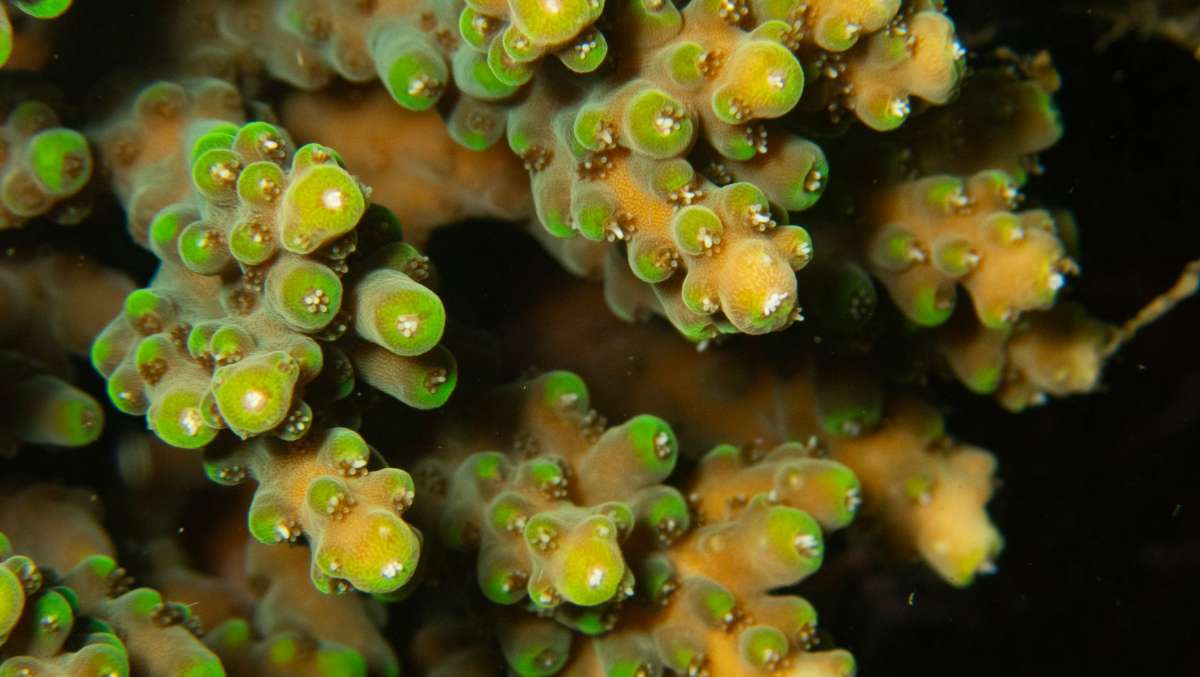
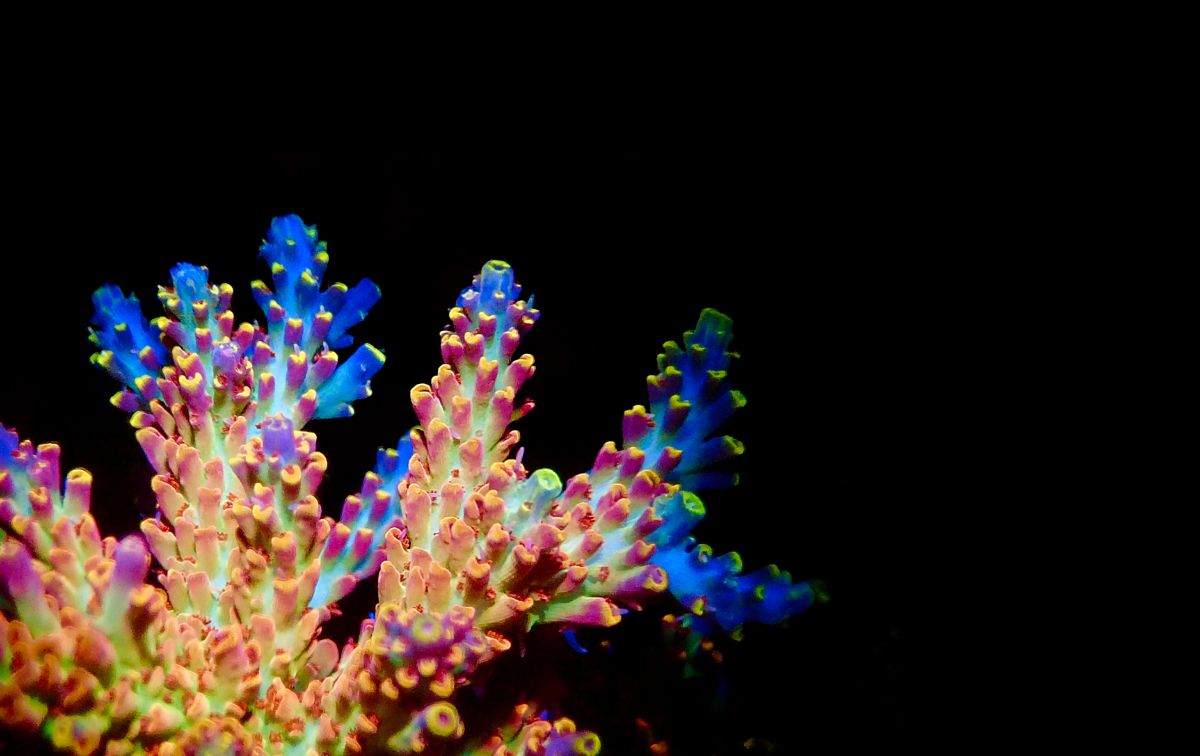
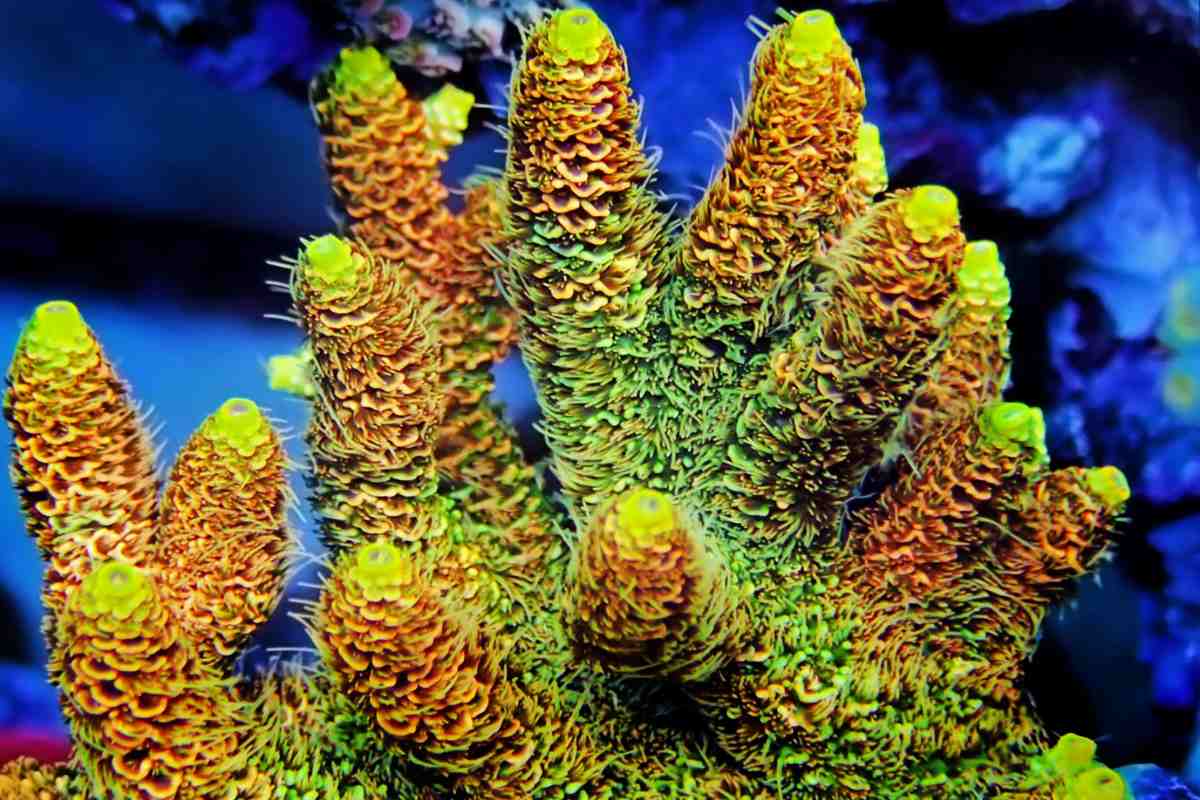
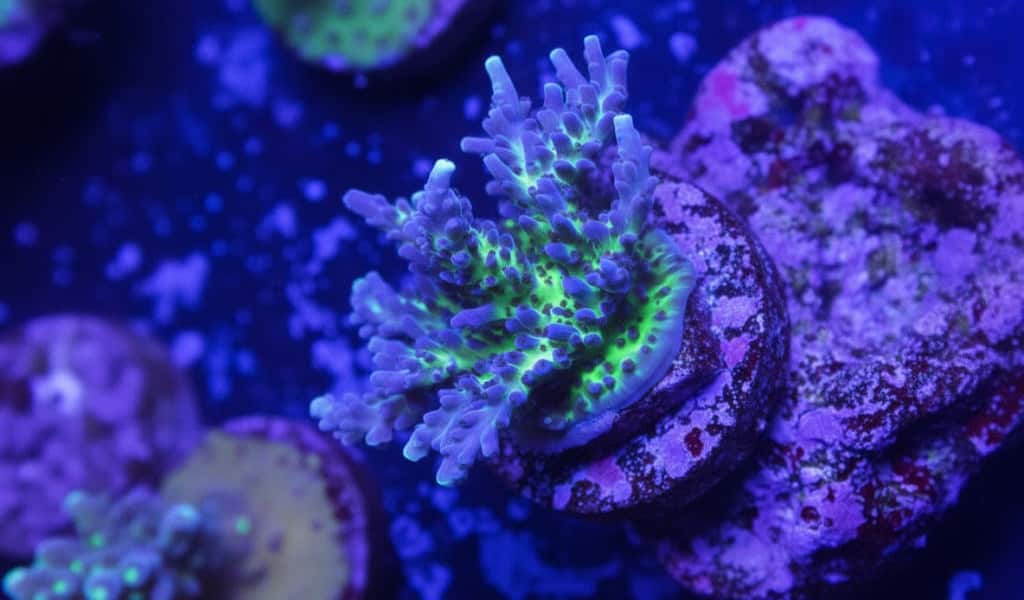
Acropora sarmentosa is a small polyp stony coral known for its distinctive table-forming growth pattern featuring short, nubby branches that create a compact, tightly clustered colony structure. Acropora sarmentosa displays a range of colors from green and blue to gold and purple-tipped varieties, with the "Blueberry Sarmentosa" being a particularly sought-after aquacultured morph. Acropora sarmentosa typically thrives under high lighting between 250-400 PAR and strong alternating water flow, making sarmentosa suitable for experienced reef keepers maintaining stable SPS-dominated systems.
Acropora sarmentosa grows more slowly than many other Acropora species, with colonies gradually expanding outward in their characteristic table formation over months to years. Acropora sarmentosa performs best with pristine water quality and stable calcium, alkalinity, and magnesium levels. The species is susceptible to Acropora-Eating Flatworms (AEFW), Rapid Tissue Necrosis (RTN), and Slow Tissue Necrosis (STN) common to all Acropora corals.
Care Requirements
Quick overview for keeping your coral thriving
Difficulty
Advanced
Lighting
High
Water Flow
High
Detailed Care Guide
In-depth information for optimal care
Difficulty Level
Advanced
Acropora sarmentosa demands the stable water chemistry, high lighting, and strong flow typical of all Acropora species, requiring an established reef aquarium with proven parameter stability before introduction. The species does not tolerate fluctuations in calcium, alkalinity, or magnesium levels that beginner tanks commonly experience during the maturation process.
Acropora sarmentosa's slower growth rate compared to other Acropora species means recovery from stress or tissue loss takes longer, requiring vigilant monitoring and immediate response to signs of RTN or STN before damage spreads across the colony.
Lighting Requirements
High
Acropora sarmentosa performs best under high lighting between 250-400 PAR, though some reef keepers report excellent coloration at moderate-high levels around 200-275 PAR with 14K spectrum lighting. Acropora sarmentosa placed under intense lighting above 500 PAR may bleach, particularly if not properly acclimated over several weeks.
Lighting spectrum affects Acropora sarmentosa coloration significantly, with bluer spectrums (18-20K) enhancing vibrant colors while whiter spectrums (10-14K) promote faster skeletal growth at the expense of color intensity. Reef keepers should provide 7-9 hours of lighting daily for optimal photosynthesis.
Water Flow
High
Acropora sarmentosa thrives in strong, turbulent water flow with alternating current patterns that mimic natural reef crest conditions where the species originates. High flow turnover delivered through randomized powerhead patterns or gyre-style circulation keeps the coral clean and promotes tight, compact growth.
Excessive direct flow from a single powerhead can damage Acropora sarmentosa tissue and prevent polyp extension, while insufficient flow causes the colony to develop elongated "leggy" branches rather than the desirable compact table formation.
Keep your Sarmentosa healthy
Save photos, placement, parameters, and what you paid — and see how your Sarmentosa changes over time.
Parameters
In range8.5 dKH
Alkalinity target 8–9 dKH · sample data
Your Sarmentosa
just added$90 paid
value from live market
Acropora Pests and Diseases
Acropora sarmentosa is susceptible to Acropora-Eating Flatworms (AEFW), Rapid Tissue Necrosis (RTN), and Slow Tissue Necrosis (STN) that affect all Acropora species. AEFW are nearly invisible parasites that consume coral tissue and leave distinctive bite marks and egg clusters on the skeleton, requiring treatment with coral dips containing levamisole or other flatworm-targeted medications.
RTN causes rapid tissue death spreading across the colony within hours, often triggered by sudden parameter swings, bacterial infection, or handling stress, while STN progresses more slowly over days to weeks. Reef keepers should quarantine and dip all new Acropora sarmentosa specimens before adding to the display tank, and immediately frag healthy tissue away from affected areas when necrosis is detected to save portions of the colony.
Buying Advice
What to look for when purchasing
Polyp Extension
Healthy Acropora sarmentosa displays fuzzy extended polyps during store lighting hours, indicating active feeding and photosynthesis. Avoid specimens with retracted polyps or bare skeleton visible between polyp cups, which indicates stress or declining health.
Tissue Coverage
Examine the entire sarmentosa colony for complete tissue coverage from base to branch tips with no exposed white skeleton. Tissue recession at the base or tips indicates stress, disease, or pest damage that may worsen after transport to a new environment.
Frag Size
Select Acropora sarmentosa frags measuring at least 1 inch, preferably 1-2 inches or larger, as tiny frags often struggle to establish and may take months before showing new growth. Larger frags have more tissue reserves to survive transport stress and acclimation.
Color and Encrustation
Choose sarmentosa specimens showing vibrant coloration appropriate to the lighting under which they were grown, and verify the frag has fully encrusted onto its plug with visible new growth at the base. Recently cut frags still healing may not survive additional transport stress.
Taxonomy
Species
Reef Value
Live pricing$1,860
+$120 this month
Priced from live marketplace listings
Sarmentosa
Just added · Frag rack
$90
Hammer Coral
8 months · Mid rock
$65
Zoa Colony
1 year · Sand bed
$40
Track Your Reef
Add your Sarmentosa to your tank's living inventory — placement, source, and photos as it grows — next to the parameter logs and maintenance history that keep it thriving. Reef Value even shows what your collection is worth, priced from live marketplace listings.
Find Your Perfect Sarmentosa
Compare prices from 1+ verified sellers. From budget-friendly frags to rare collector pieces.
Starting at
$60
Average Price
$90
Premium frags up to
$160
Full Price History
Trends, movers & market data
Frequently Asked
Common questions about Sarmentosa corals
Is Acropora sarmentosa easy to keep?
Acropora sarmentosa requires advanced reef keeping skills and an established aquarium with proven water parameter stability, making sarmentosa unsuitable for beginners or newly cycled tanks. The species demands consistent calcium levels of 400-450 ppm, alkalinity between 7-9 dKH, and magnesium around 1300-1400 ppm, with minimal daily fluctuations in any parameter.
Acropora sarmentosa succeeds in mature reef systems where the keeper has demonstrated ability to maintain stable chemistry over months, has experience recognizing early signs of coral stress, and can respond quickly to prevent tissue necrosis from spreading.
How fast does Acropora sarmentosa grow?
Acropora sarmentosa grows more slowly than many other Acropora species, with colonies gradually expanding outward in their table formation rather than producing rapid vertical branch growth. Reef keepers should expect sarmentosa colonies to add fractions of an inch per month under optimal conditions, with visible table development occurring over 6-12 months.
Smaller Acropora sarmentosa frags may take extended periods before showing new growth, so purchasing larger frags of 1-2 inches or more can improve success rates and reduce the time to colony development.
What lighting does Acropora sarmentosa need?
Acropora sarmentosa thrives under high lighting between 250-400 PAR, with many successful reef keepers positioning sarmentosa in the upper-middle regions of the tank where light intensity naturally falls within this range. Some hobbyists report enhanced tip coloration when keeping sarmentosa at the lower end around 200-275 PAR, particularly under 14K spectrum lighting.
Reef keepers should acclimate new Acropora sarmentosa specimens by starting placement lower in the tank at 150-200 PAR and gradually moving the coral higher over 2-4 weeks to prevent light shock and bleaching during the adjustment period.
What water flow does Acropora sarmentosa need?
Acropora sarmentosa thrives in strong, turbulent water flow with alternating current patterns rather than constant laminar flow from a single direction. High flow turnover delivered through multiple powerheads on wave-making controllers produces the chaotic reef crest conditions sarmentosa naturally inhabits.
Acropora sarmentosa kept in inadequate flow develops elongated "leggy" branches instead of the compact, tightly packed table formation that makes the species desirable. Direct powerhead flow aimed at the colony can damage tissue and prevent polyp extension, so indirect turbulent flow works best.
What color morphs of Acropora sarmentosa exist?
Acropora sarmentosa displays numerous color varieties in the reef aquarium hobby, including green with purple tips, blue-tipped varieties, gold morphs with fluorescent green tips, and the popular "Blueberry Sarmentosa" featuring deep blue coloration. Wild Acropora sarmentosa typically appears dull greenish-grey or brown with pale orange branch tips, while aquacultured specimens have been selectively propagated for vibrant coloration.
Acropora sarmentosa coloration varies significantly based on tank conditions, with lighting spectrum playing a major role in color expression. Bluer lighting spectrums enhance vibrant colors while whiter spectrums promote faster growth with less intense coloration.
How do I frag Acropora sarmentosa?
Acropora sarmentosa frags best when cut from the outer edges of established colonies using sterilized bone cutters or a diamond band saw, with each frag measuring at least 1 inch to ensure adequate tissue mass for recovery. Reef keepers should sterilize cutting tools with isopropyl alcohol between cuts to prevent transferring infections between colonies.
Acropora sarmentosa frags attach to ceramic plugs or rock rubble using reef-safe gel super glue or two-part epoxy, then require placement in moderate flow and slightly reduced lighting during the 2-4 week healing period. Tiny frags under 1 inch often fail to thrive and may take months to show new growth, making larger frags significantly more successful.
All SPS Corals
Browse the complete collection of SPS coral care guides