
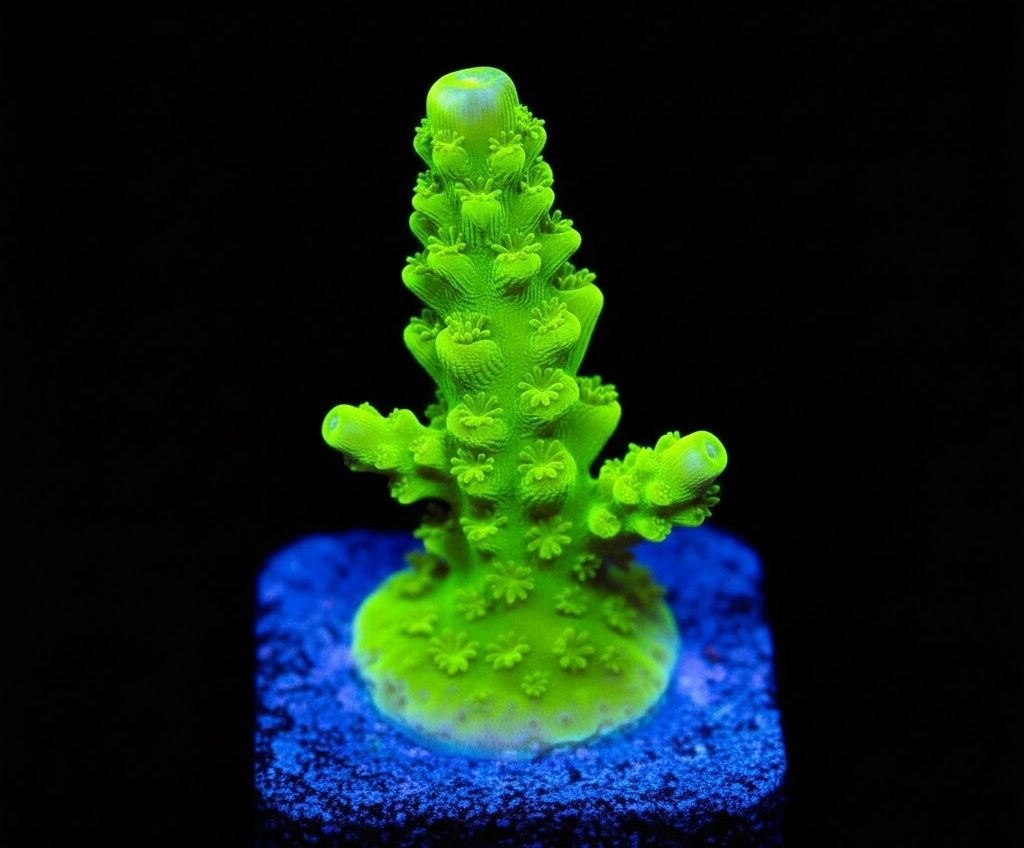
Slimer Coral Care Guide
Green Slimer Acropora (Acropora yongei) is a classic reef aquarium coral prized for its vibrant neon green coloration and reputation as one of the hardiest beginner-friendly Acropora species. This care guide covers lighting, water flow, placement, and husbandry tips to help reef keepers maintain healthy, fast-growing Slimer colonies.
About Slimer
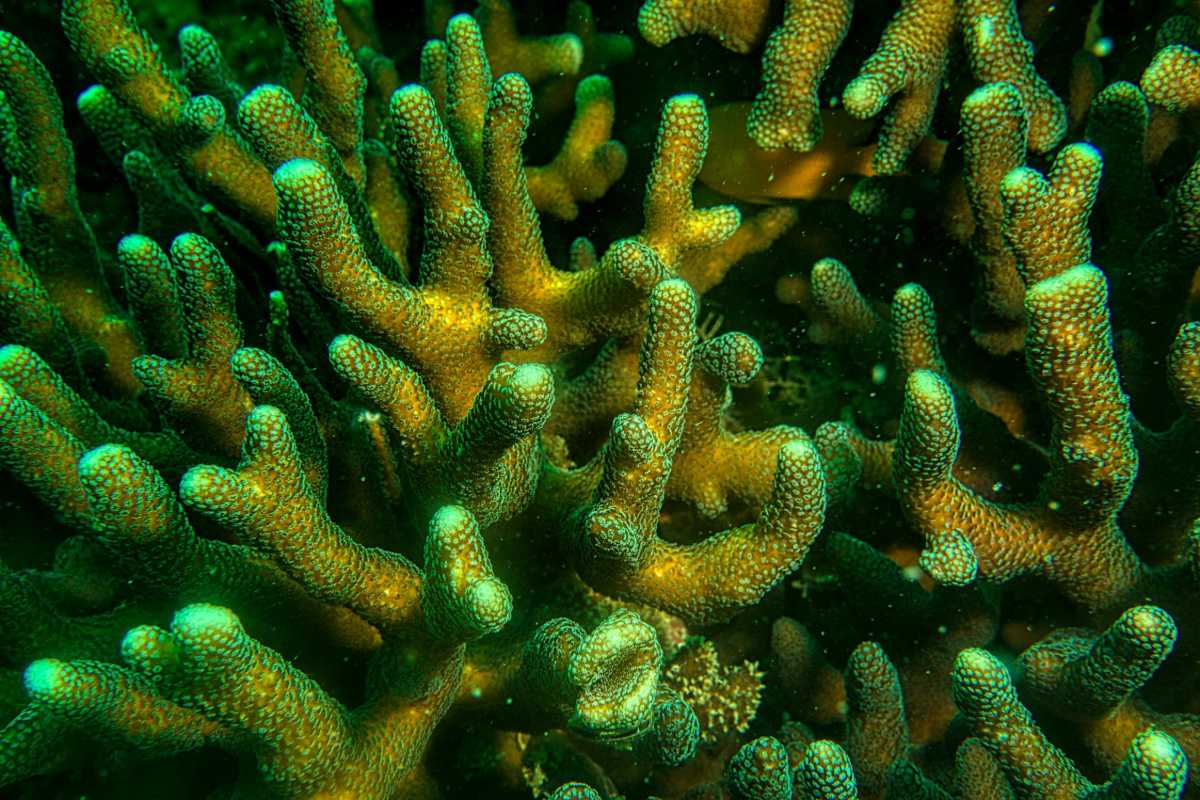
Green Slimer (Acropora yongei) is a branching SPS coral recognized as one of the hardiest and most beginner-friendly Acropora species, with a 20-year history as a reef aquarium staple. Green Slimer displays vibrant neon green coloration that intensifies under blue actinic lighting, with white growth tips indicating active skeletal extension and excellent polyp extension giving branches a fuzzy appearance. Green Slimer typically thrives under moderate to high lighting of 150-350 PAR and moderate to high turbulent flow, making this species suitable for intermediate reef keepers ready to attempt their first Acropora after success with Montipora or Birdsnest corals.
Green Slimer produces copious mucus when disturbed or stressed, a defensive behavior that gives this coral its distinctive common name. Green Slimer exhibits some of the fastest growth rates among Acropora species, with established colonies capable of rapid branch extension that requires generous spacing to accommodate expansion.
Care Requirements
Quick overview for keeping your coral thriving
Difficulty
Intermediate
Lighting
Moderate
Water Flow
Moderate
Detailed Care Guide
In-depth information for optimal care
Difficulty Level
Intermediate
Green Slimer is widely considered one of the hardiest and most forgiving Acropora species, making this coral an excellent choice for reef keepers attempting their first Acropora after success with less demanding SPS like Montipora or Birdsnest corals. Green Slimer tolerates a wider range of lighting and flow conditions than most Acropora species due to its tough genetics as a dominant reef-building coral.
Green Slimer still requires stable calcium levels of 420-440 ppm, alkalinity of 8-9.5 dKH, and low nutrient levels to thrive long-term. Aquacultured Green Slimer frags with documented captive growth history are particularly resilient and can adjust to varied tank conditions that would stress more sensitive Acropora species.
Lighting Requirements
Moderate
Green Slimer thrives at 150-350 PAR, with color intensity varying based on light levels. Lower lighting around 150-200 PAR produces yellowish-green coloration, while higher intensity around 300-350 PAR encourages deeper neon green fluorescence. Green Slimer tolerates a wider PAR range than most Acropora species, making placement less critical than with demanding species like Acropora tenuis.
Green Slimer collected from deeper reef zones may display cream or pale brown coloration initially and should be acclimated gradually to higher aquarium lighting over 2-3 weeks. Research demonstrates that Green Fluorescent Protein concentration in Acropora yongei increases approximately 1.6 times under high light conditions, explaining the enhanced green coloration at higher PAR levels.
Water Flow
Moderate
Green Slimer thrives with moderate to high turbulent water flow that reaches all sides of the colony without direct laminar current pointed at the coral. Direct flow causes Green Slimer to produce excessive mucus as a stress response, so powerheads should create randomized patterns that move polyps gently rather than constant direct blast.
Green Slimer colonies reshape water flow as they grow, so reef keepers should audit circulation regularly and adjust positioning or add flow as branches expand. Green Slimer placed in areas with bounced or indirect flow typically shows better polyp extension and reduced slime production compared to specimens receiving direct powerhead output.
Keep your Slimer healthy
Save photos, placement, parameters, and what you paid — and see how your Slimer changes over time.
Parameters
In range8.5 dKH
Alkalinity target 8–9 dKH · sample data
Your Slimer
just added$55 paid
value from live market
Mucus Production Behavior
Understanding Green Slimer Defense Response
Green Slimer produces copious mucus as a defensive response when disturbed, handled, fragged, or exposed to environmental stress. Green Slimer mucus secretion helps the coral retain moisture when briefly exposed to air and provides a protective coating during transportation that shields delicate tissue from mechanical damage.
Green Slimer mucus production increases significantly when water flow is pointed directly at the colony, suggesting this species interprets direct current as a stressor. Reef keepers can minimize excessive slime production by providing indirect turbulent flow bounced off glass or rocks rather than direct powerhead output aimed at the coral.
Green Slimer frags shipped through mail typically arrive in bags with substantial mucus accumulation, which is normal and not cause for concern. Reef keepers should discard shipping water rather than adding it to quarantine tanks, rinse frags thoroughly after coral dipping, and wait 3-5 days for mucus production to stabilize before shipping frags to other hobbyists.
Buying Advice
What to look for when purchasing
Coloration
Look for Green Slimer frags with vibrant green coloration ranging from yellow-green to neon green depending on the vendor's lighting conditions. Healthy Green Slimer displays consistent coloration throughout the frag with white growth tips indicating active skeletal extension. Pale cream or brown coloration may indicate stress or recent collection from deeper water requiring light acclimation.
Polyp Extension
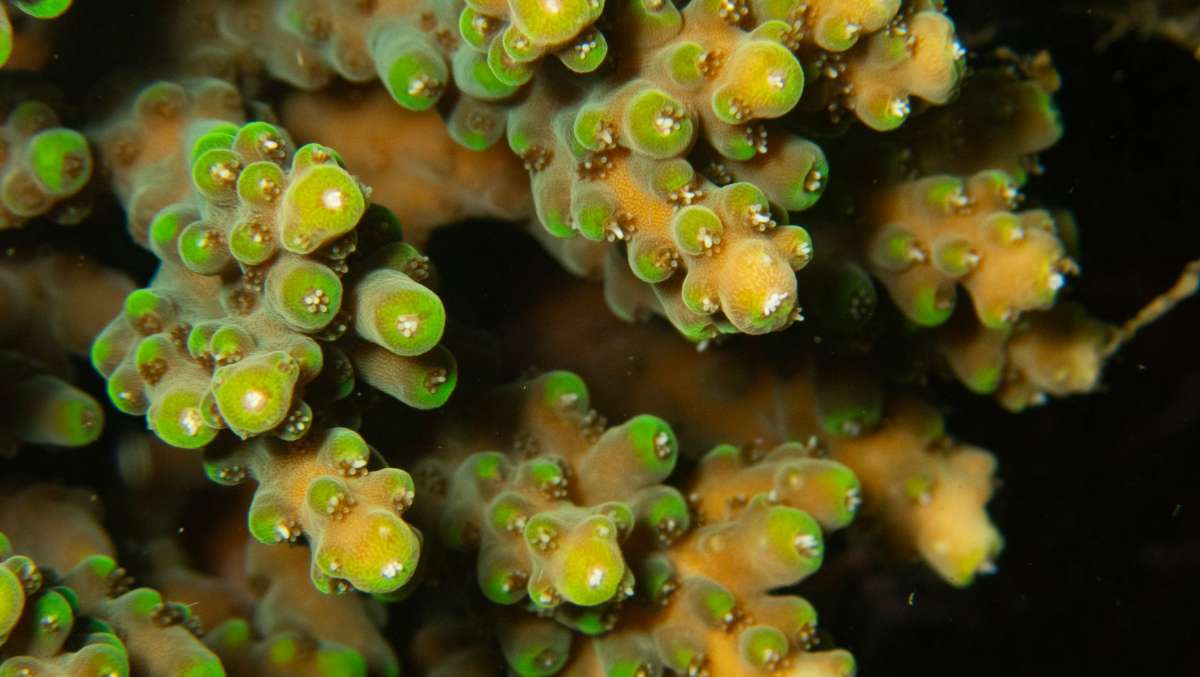
Green Slimer displays excellent polyp extension that gives branches a fuzzy appearance under proper conditions. Healthy specimens show visible polyps extended during daytime lighting hours. Fully retracted polyps may indicate stress, pest infestation, or poor water quality at the vendor location.
Mucus Production
Expect some mucus in the bag when purchasing Green Slimer, as this species produces slime during handling and transportation. Excessive mucus accumulation is normal and not a sign of poor health. Rinse frags after coral dipping to remove mucus before placing in quarantine or display tanks.
Tissue Coverage
Choose Green Slimer frags with complete tissue coverage extending to all branch tips with no exposed white skeleton except at active growth tips. Avoid specimens showing tissue recession, brown patches, or bare spots at the base that may indicate RTN or stress damage. Healthy frags display smooth continuous tissue from base to growing tips.
Taxonomy
Species
Reef Value
Live pricing$1,860
+$120 this month
Priced from live marketplace listings
Slimer
Just added · Frag rack
$55
Hammer Coral
8 months · Mid rock
$65
Zoa Colony
1 year · Sand bed
$40
Track Your Reef
Add your Slimer to your tank's living inventory — placement, source, and photos as it grows — next to the parameter logs and maintenance history that keep it thriving. Reef Value even shows what your collection is worth, priced from live marketplace listings.
Find Your Perfect Slimer
Compare prices from 9+ verified sellers. From budget-friendly frags to rare collector pieces.
Starting at
$25
Average Price
$55
Premium frags up to
$250
Full Price History
Trends, movers & market data
Frequently Asked
Common questions about Slimer corals
Why is it called Green Slimer?
Green Slimer gets its common name from the copious mucus this coral produces when disturbed, handled, or stressed. Green Slimer secretes a slimy coating as a defensive mechanism that helps the coral retain moisture when exposed to air and protects tissue during fragging or transportation.
Green Slimer mucus production is harmless to the coral but makes fragging a messy process, and freshly shipped frags typically arrive in bags with significant mucus accumulation. Reef keepers should rinse Green Slimer frags after dipping and allow several days for slime production to settle before shipping frags to other hobbyists.
Is Green Slimer good for beginners?
Green Slimer is widely recommended as the best Acropora species for beginners due to its hardy genetics and tolerance for varied lighting and flow conditions that would stress more demanding Acropora. Green Slimer adjusts to different tank environments more readily than sensitive species, making this coral perfect for novice aquarists learning to keep Acropora corals.
Green Slimer should be attempted after achieving success with less demanding SPS corals like Montipora or Birdsnest, which establish the stable parameters and husbandry skills needed for any Acropora. Reef keepers new to SPS should select aquacultured Green Slimer frags with documented captive growth history for the highest success rates.
What PAR level does Green Slimer need?
Green Slimer thrives at 150-350 PAR, with most hobbyists reporting excellent growth and coloration in the 200-300 PAR range. Green Slimer tolerates lower lighting than most Acropora species, though color intensity correlates directly with light levels—lower PAR produces yellow-green coloration while higher PAR encourages vibrant neon green fluorescence.
Green Slimer placement can be in the mid to upper regions of the aquarium depending on fixture intensity. New Green Slimer frags should be placed in lower light areas initially and moved higher gradually over 2-3 weeks to allow acclimation and prevent bleaching from sudden intensity changes.
How fast does Green Slimer grow?
Green Slimer is one of the fastest-growing Acropora species, with established colonies capable of rapid branch extension that can quickly fill allocated space in reef aquariums. Green Slimer frags typically require 6 months to fully establish in a new tank before exhibiting their characteristic fast growth rates.
Green Slimer colonies should be given generous spacing to accommodate expansion, as this species can outgrow its position faster than most Acropora. Reef keepers often underestimate Green Slimer growth potential and find themselves needing to frag or relocate colonies sooner than expected to prevent overcrowding or shading of neighboring corals.
Why is my Green Slimer turning brown or yellow?
Green Slimer turns brown or yellow when zooxanthellae overpopulate the coral tissue, typically caused by insufficient lighting below 150 PAR, elevated nutrients with nitrate above 10 ppm or phosphate above 0.1 ppm, or stress from alkalinity fluctuations. Green Slimer collected from deeper reef zones may naturally display cream or pale coloration until acclimated to higher aquarium lighting.
Green Slimer color recovery requires gradual increases in lighting intensity over several weeks combined with reduced nutrient levels. Research on Acropora yongei demonstrates that Green Fluorescent Protein concentration decreases approximately 4 times under low light conditions, explaining why inadequate lighting directly reduces green coloration intensity.
What is the scientific name of Green Slimer?
Green Slimer is the aquarium trade name for Acropora yongei, a species first described by Veron and Wallace in 1984 from specimens collected at Britomart Reef on the Great Barrier Reef. Acropora yongei forms arborescent or bushy colonies with branches up to 20 millimeters thick and distinctive projecting lower corallite lips.
Several similar Acropora species including Acropora aspera and Acropora abrolhosensis are sometimes sold as "slimers" in the aquarium trade. True Acropora yongei can be distinguished by its less fuzzy polyp appearance and yellow-green to neon green coloration with white growth tips, compared to the darker green and orange-tipped appearance of Acropora abrolhosensis.
Explore Related Corals
Popular corals you might also be interested in
All SPS Corals
Browse the complete collection of SPS coral care guides