
Leptoseris Coral Care Guide
Leptoseris corals are low-light SPS corals ideal for shaded tank areas where other stony corals struggle. This care guide covers lighting, water flow, placement, and feeding to help reef keepers successfully grow these fast-encrusting plating corals.
About Leptoseris
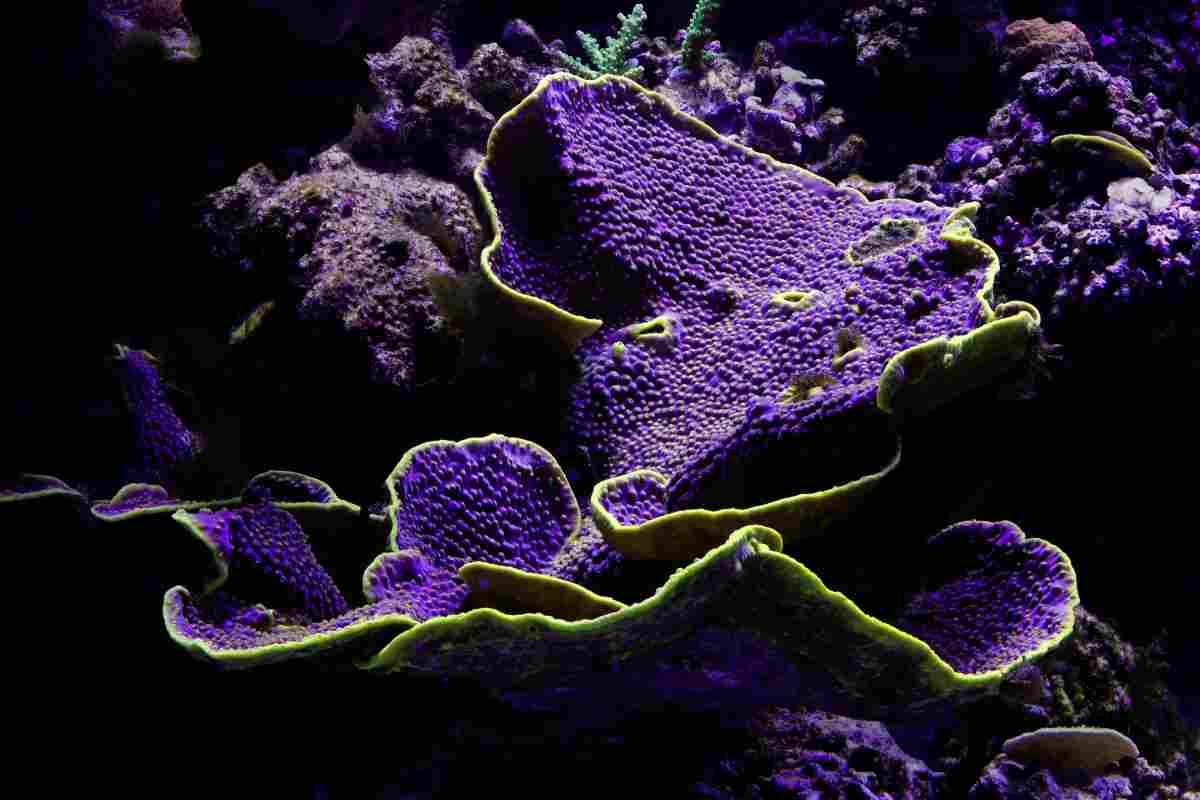
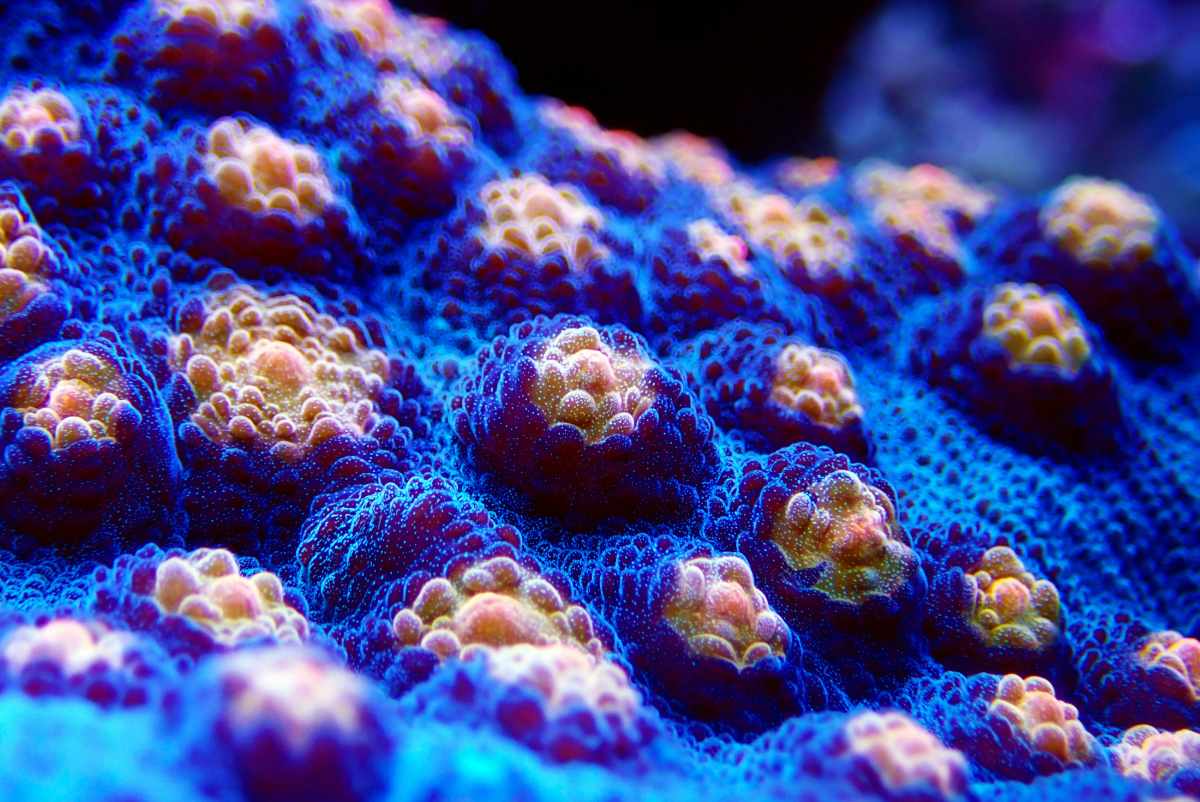
Leptoseris is a small polyp stony coral known for its thin, encrusting plates covered in distinctive wrinkled or folded surface textures that give it the common name "wrinkle coral." Leptoseris colonies display vibrant colors including neon green, orange, pink, purple, and multicolor varieties, spreading outward in overlapping plates that can cover large areas of rockwork.
Leptoseris thrives under low to moderate lighting of 50-100 PAR and gentle water flow, making it one of the few SPS corals suited for shaded areas where demanding species like Acropora cannot survive. Leptoseris grows rapidly once established, encrusting rock surfaces faster than most SPS corals and functioning as an exotic alternative to coralline algae for covering bare substrate. Leptoseris extends sweeper tentacles approximately one inch at night, requiring spacing from neighboring corals to prevent tissue damage from chemical warfare.
Care Requirements
Quick overview for keeping your coral thriving
Difficulty
Beginner Friendly
Lighting
Low to Moderate
Water Flow
Low to Moderate
Detailed Care Guide
In-depth information for optimal care
Difficulty Level
Easy to Moderate
Leptoseris is considered one of the most beginner-friendly SPS corals, behaving more like an LPS in terms of care requirements despite its small polyp stony classification. Leptoseris tolerates lower lighting than most SPS and adapts well to various tank positions.
The primary challenge with Leptoseris is avoiding excessive lighting and flow, which damage the delicate tissue. Leptoseris is sensitive to rapid parameter swings but tolerates slightly elevated nitrate and phosphate levels better than many SPS species—some hobbyists report success in higher-nutrient systems where other SPS struggle.
Lighting Requirements
Low to Moderate
Leptoseris thrives at 50-100 PAR, significantly lower than most SPS corals, and should be placed in shaded areas, lower rockwork, or under overhangs where lighting is naturally dimmer. High-intensity lighting causes bleaching and color washout in Leptoseris colonies.
Leptoseris is ideal for filling bare rock surfaces in areas where other SPS would struggle due to insufficient light. The coral maintains vibrant coloration under low light, though colors may intensify slightly toward the upper end of its preferred PAR range. New specimens should be acclimated gradually over 2-3 weeks, starting in dimmer areas before any upward adjustment.
Water Flow
Low to Moderate
Leptoseris prefers gentle, indirect water movement that keeps the coral surface clean without damaging its thin, delicate tissue. Direct or high flow can tear Leptoseris tissue and cause the coral to appear "pulled back" or retracted.
Reef keepers should provide enough flow to prevent detritus accumulation in the folds and bowl-like shapes that Leptoseris develops as it grows. Detritus buildup causes tissue die-off where debris collects. Reducing flow periodically during feeding allows Leptoseris to capture food particles more effectively.
Keep your Leptoseris healthy
Save photos, placement, parameters, and what you paid — and see how your Leptoseris changes over time.
Parameters
In range8.5 dKH
Alkalinity target 8–9 dKH · sample data
Your Leptoseris
just added$29 paid
value from live market
Low-Light SPS Placement
Leptoseris occupies a unique niche among SPS corals as one of the few species that thrives in shaded tank areas where high-light corals cannot survive. Leptoseris placement opportunities include lower rockwork, shadowy overhangs, cave ceilings, vertical surfaces, and areas shielded from direct lighting—positions that typically remain bare in SPS-dominated tanks.
Leptoseris functions as an exotic ground cover that encrusts rock surfaces faster than coralline algae while displaying far more vibrant coloration. Reef keepers with mixed reef tanks can use Leptoseris to fill underlit zones that would otherwise remain empty, creating continuous coral coverage throughout the aquascape. The coral's encrusting growth pattern allows it to spread across uneven surfaces, adapting to curves and crevices that would prevent placement of branching or plating corals.
Buying Advice
What to look for when purchasing
Tissue Coverage
Healthy Leptoseris displays complete tissue coverage across the entire plate surface with no white skeleton showing. Avoid specimens with bare skeleton at edges or centers, which indicates stress or tissue recession that may continue after purchase.
Coloration
Look for vibrant, saturated colors appropriate to the variety—neon greens, oranges, pinks, and purples should be vivid and distinct. Pale or washed-out coloration suggests light stress from excessive intensity during holding.
Surface Condition
Inspect the wrinkled surface texture for debris accumulation in folds or depressions. Detritus buildup indicates inadequate flow and can cause tissue die-off where debris collects. Healthy specimens should have clean, clear surfaces.
Edge Growth
Active growth appears as thin, translucent tissue extending beyond the calcified skeleton at plate edges. Specimens showing edge growth are actively encrusting and have adapted well to captive conditions.
Pest Inspection
Check the undersides of plates and crevices for nudibranchs or flatworms that can damage SPS tissue. A preventative coral dip before adding to your display tank is recommended for all new Leptoseris specimens.
Taxonomy
Species
Reef Value
Live pricing$1,860
+$120 this month
Priced from live marketplace listings
Leptoseris
Just added · Frag rack
$29
Hammer Coral
8 months · Mid rock
$65
Zoa Colony
1 year · Sand bed
$40
Track Your Reef
Add your Leptoseris to your tank's living inventory — placement, source, and photos as it grows — next to the parameter logs and maintenance history that keep it thriving. Reef Value even shows what your collection is worth, priced from live marketplace listings.
Find Your Perfect Leptoseris
Compare prices from 15+ verified sellers. From budget-friendly frags to rare collector pieces.
Starting at
$15
Average Price
$29
Premium frags up to
$120
Full Price History
Trends, movers & market data
Frequently Asked
Common questions about Leptoseris corals
What PAR level does Leptoseris need?
Leptoseris thrives at 50-100 PAR, significantly lower than most SPS corals, with optimal coloration and growth occurring between 75-125 PAR according to experienced coral farms like Tidal Gardens. Some varieties like blue-eye Leptoseris require even lower light in semi-shaded areas to prevent bleaching.
Leptoseris placement should target the lower two-thirds of the aquarium, including shaded ledges, overhangs, and areas with indirect lighting. Too much light causes bleaching and color washout, while too little light slows growth and dulls fluorescence. New specimens should be acclimated in dimmer areas first, with gradual light increases over 2-3 weeks if desired.
Is Leptoseris good for beginner SPS keepers?
Leptoseris is widely considered one of the most beginner-friendly SPS corals, behaving more like an easy LPS despite its small polyp stony classification. Leptoseris tolerates lower lighting than demanding SPS like Acropora and adapts well to various tank conditions without requiring the intense light and flow that intimidate many new SPS keepers.
Leptoseris is particularly forgiving of slightly elevated nutrients—nitrate and phosphate levels that would stress other SPS corals are often well-tolerated. The main consideration for beginners is avoiding excessive lighting and flow, which damage the delicate tissue. Placing Leptoseris in shaded lower areas with gentle flow provides ideal conditions for success.
Why is my Leptoseris bleaching?
Leptoseris bleaching is most commonly caused by excessive lighting intensity. Unlike most SPS corals that tolerate or require high PAR, Leptoseris thrives in low-light conditions and bleaches when exposed to direct, intense lighting—even at levels that other SPS would find moderate.
Leptoseris should be placed in shaded areas with 50-100 PAR, not in the upper tank where lighting is strongest. If bleaching occurs, immediately move the coral to a dimmer location with indirect light and reduce flow. Recovery is possible if the stress is addressed quickly, but prolonged exposure to excessive light causes permanent tissue damage. Some color morphs like blue-eye varieties are particularly light-sensitive.
How fast does Leptoseris grow?
Leptoseris is a fast-growing encrusting coral once established, spreading across rock surfaces more quickly than most SPS species. Leptoseris colonies can cover significant areas of bare rockwork within months under stable conditions, functioning as an exotic replacement for coralline algae.
Fast Leptoseris growth consumes calcium, alkalinity, and magnesium at higher rates than slower corals, making parameter stability more challenging with large colonies. Reef keepers should plan placement carefully since Leptoseris lacks an "off switch" and will encrust wherever it spreads. Growth slows significantly under insufficient lighting, so maintaining at least 50 PAR ensures continued expansion.
Does Leptoseris need to be fed?
Leptoseris is primarily photosynthetic and obtains most nutrition from its zooxanthellae algae, surviving well in adequately lit tanks without supplemental feeding. Leptoseris has small mouths that cannot capture large food particles, making targeted feeding challenging compared to larger-polyped corals.
Broadcast feeding with fine powdered coral foods, phytoplankton, or amino acid supplements can enhance Leptoseris growth and coloration when offered once or twice weekly. Reducing flow during feeding allows the coral to capture food particles more effectively. Overfeeding should be avoided as it elevates tank nutrients without proportional benefit to the coral.
Is Leptoseris aggressive toward other corals?
Leptoseris extends sweeper tentacles approximately one inch at night, capable of stinging neighboring corals that encroach on its space. Leptoseris requires adequate clearance from other species to prevent tissue damage, despite appearing peaceful during daytime observation.
Different Leptoseris color varieties can also fight each other when placed too close together, with more aggressive morphs growing over and killing their neighbors. Reef keepers maintaining multiple Leptoseris varieties should provide spacing between different color morphs to prevent competitive overgrowth. The coral's fast encrusting growth also means it can smother slow-growing neighbors if placement is not carefully considered.
Can Leptoseris be fragged?
Leptoseris is an excellent candidate for fragging and aquaculture due to its fast growth rate and rapid healing ability. Leptoseris frags can be created using bone cutters or a coral saw to cut clean fragments from overhanging plate edges.
Leptoseris can be tricky to glue down due to its thin, encrusting growth form—using extra gel superglue helps secure frags to plugs or rubble rock. Alternatively, reef keepers can encourage Leptoseris to grow over a frag plug or rubble piece placed adjacent to an established colony, then remove the newly encrusted piece once attached. The genus heals quickly from cutting, making high-productivity propagation achievable.
Explore Related Corals
Popular corals you might also be interested in
All SPS Corals
Browse the complete collection of SPS coral care guides