
Chalice Coral Care Guide
Chalice Corals are colorful LPS corals known for their fluorescent patterns, encrusting growth, and plate-like formations. This care guide covers lighting, water flow, placement, and aggression management to help intermediate reef keepers maintain healthy Chalice Coral specimens.
About Chalice
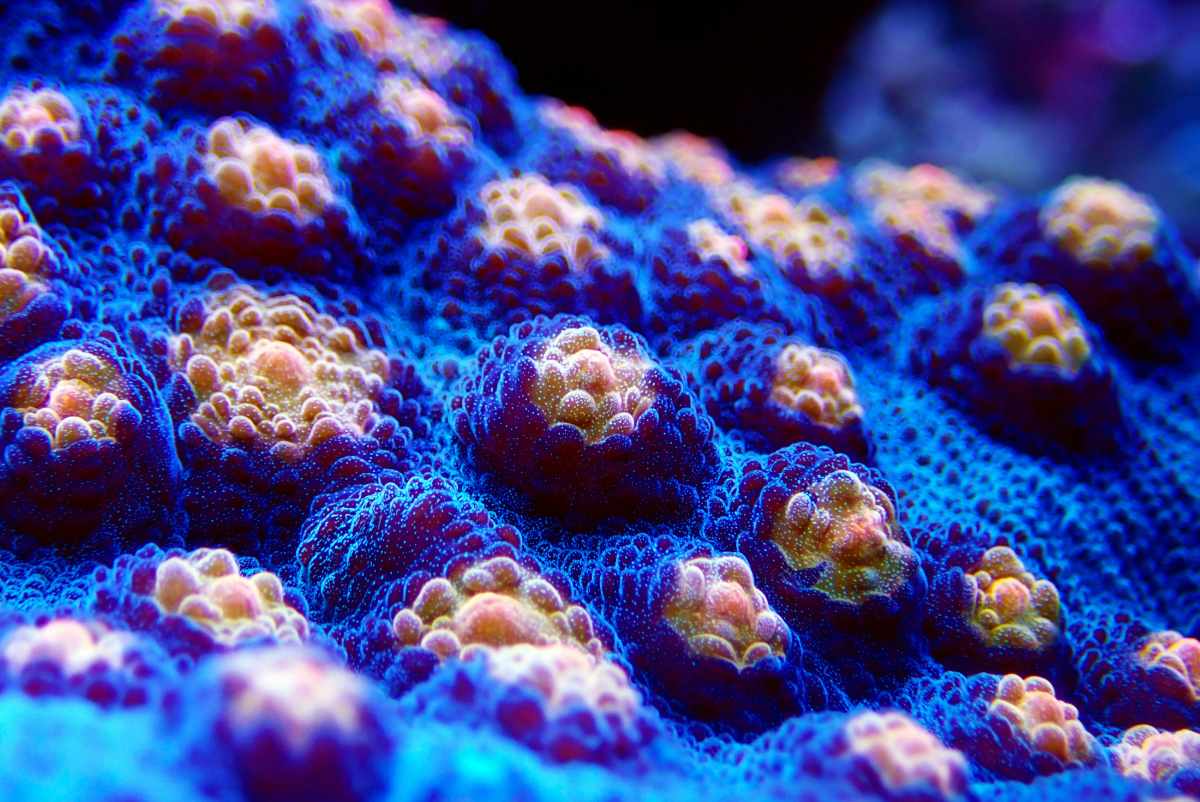
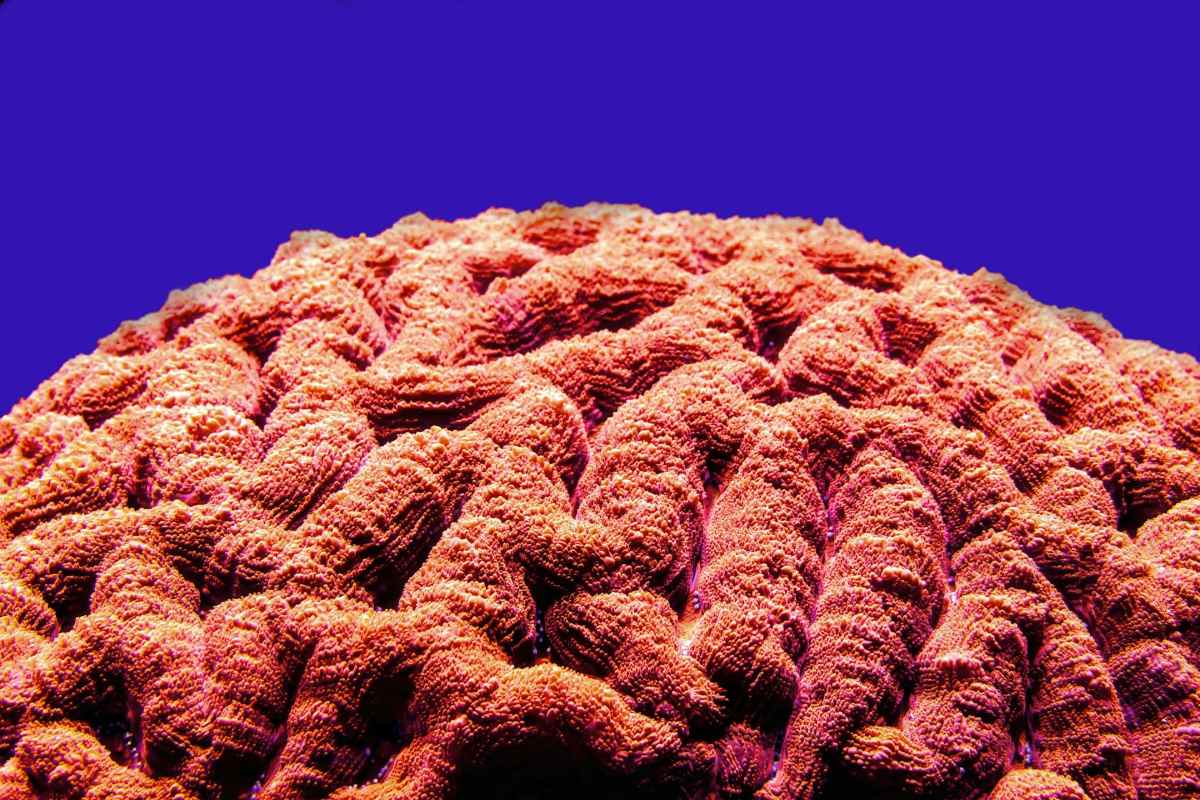
Chalice Coral is a hobbyist term encompassing multiple LPS coral genera including Echinophyllia, Mycedium, Oxypora, and Pectinia, united by shared visual characteristics rather than strict taxonomic relationships. Chalice Corals display striking fluorescent color patterns with contrasting "eyes" around polyp mouths, textured ridges, and growth forms ranging from flat encrusting plates to vertical cup-shaped structures that give the group its common name. Chalice Corals require low to moderate lighting of 50-150 PAR and low to moderate indirect water flow, with most species thriving in the lower portions of reef aquariums where light intensity remains subdued.
Chalice Corals rank among the most aggressive LPS corals, extending sweeper tentacles up to several inches at night and secreting toxic mucus that damages neighboring corals on contact, requiring minimum spacing of 3-6 inches from other species. Chalice Coral coloration responds dramatically to lighting spectrum, with blue-heavy illumination enhancing the fluorescent pigments that produce their characteristic vibrant patterns. Chalice Corals benefit from occasional target feeding with meaty foods despite being photosynthetic, with fed specimens displaying enhanced growth rates and color intensity.
Care Requirements
Quick overview for keeping your coral thriving
Difficulty
Intermediate
Lighting
Low to Moderate
Water Flow
Low to Moderate
Detailed Care Guide
In-depth information for optimal care
Difficulty Level
Intermediate
Chalice Corals require intermediate-level care with attention to lighting intensity, flow patterns, and spacing from aggressive neighbors. Chalice Corals respond negatively to excessive lighting, often bleaching or losing color when placed too high in the aquarium or exposed to PAR levels exceeding their tolerance without gradual acclimation.
Chalice Coral success depends on finding stable placement where the specimen can remain undisturbed, as frequent moves stress the coral and increase recession risk. Reef keepers who provide consistent conditions with appropriate lighting and regular feeding typically maintain healthy Chalice Coral colonies long-term.
Lighting Requirements
Low to Moderate
Chalice Corals thrive under low to moderate lighting between 50-150 PAR, with optimal intensity varying by genus—Oxypora species prefer the lower end around 50-100 PAR, while Mycedium tolerates slightly higher intensities up to 150-200 PAR. Chalice Corals bleach readily when exposed to excessive light, making conservative placement in lower tank positions safer than risking damage from high-intensity illumination.
Chalice Coral fluorescent coloration responds more to light spectrum than raw intensity, with blue-heavy lighting in the 14-20K range producing the most vibrant color expression. New Chalice Corals should begin at lower light levels and acclimate gradually over 2-3 weeks, as sudden exposure to high PAR causes bleaching and tissue recession that proves difficult to reverse.
Water Flow
Low to Moderate
Chalice Corals prefer low to moderate indirect water flow measuring 20-40 times tank turnover per hour, sufficient to prevent detritus accumulation on their tissue without causing physical stress or displacement. Chalice Coral tissue can recede when exposed to strong direct currents that press against the coral's surface or cause constant movement.
Chalice Corals benefit from randomized flow patterns that deliver nutrients and remove waste while avoiding the laminar currents that irritate their fleshy tissue. Placement in areas where flow converges gently rather than impacts directly produces optimal polyp extension and feeding response.
Keep your Chalice healthy
Save photos, placement, parameters, and what you paid — and see how your Chalice changes over time.
Parameters
In range8.5 dKH
Alkalinity target 8–9 dKH · sample data
Your Chalice
just added$60 paid
value from live market
Buying Advice
What to look for when purchasing
Color and Fluorescence
Chalice Corals are known for stunning color morphs. Look for pieces with bright coloration and no signs of fading or bleaching, which may indicate stress.
Tissue Health
Avoid frags with receding tissue, exposed skeleton, or melting edges. A healthy chalice should have firm, intact tissue with clear polyp mouths.
Growth Margin
Healthy chalice frags often show a light-colored ridge around the edge, indicating active growth. This is a positive sign of health and adaptation.
Signs of Healing
If a Chalice frag has begun to encrust onto the plug or surrounding rock, it's a good indication that it has had time to heal from fragging and is actively growing. This generally means a lower risk of tissue recession and a better chance of successful acclimation.
Taxonomy
Reef Value
Live pricing$1,860
+$120 this month
Priced from live marketplace listings
Chalice
Just added · Frag rack
$60
Hammer Coral
8 months · Mid rock
$65
Zoa Colony
1 year · Sand bed
$40
Track Your Reef
Add your Chalice to your tank's living inventory — placement, source, and photos as it grows — next to the parameter logs and maintenance history that keep it thriving. Reef Value even shows what your collection is worth, priced from live marketplace listings.
Find Your Perfect Chalice
Compare prices from 22+ verified sellers. From budget-friendly frags to rare collector pieces.
Starting at
$18
Average Price
$60
Premium frags up to
$2500
Full Price History
Trends, movers & market data
Frequently Asked
Common questions about Chalice corals
What corals are considered Chalice?
Chalice Coral is a hobbyist term encompassing multiple genera including Echinophyllia, Mycedium, Oxypora, Pectinia, Echinopora, and occasionally Lithophyllon, grouped by shared visual characteristics rather than strict taxonomic relationships. Chalice Coral taxonomy has changed significantly over time, with many species once classified under the now-defunct Pectiniidae family redistributed to other families.
Chalice Corals share common traits including encrusting or plating growth forms, fluorescent coloration with contrasting polyp "eyes," and textured ridges that give mature colonies their characteristic cup-like appearance. Reef keepers should note that care requirements vary somewhat between Chalice genera, with Oxypora preferring lower light than Mycedium species.
Where should I place Chalice Coral in my tank?
Chalice Corals require placement in the lower to middle portions of the aquarium where PAR levels range from 50-150, avoiding the high-intensity lighting near the water surface that causes bleaching and tissue recession. Chalice Corals prefer horizontal positioning on rock surfaces or rubble where they can encrust and develop their characteristic plating growth without obstruction.
Chalice Coral placement must account for aggression, maintaining minimum 3-6 inch spacing from neighboring corals to prevent sweeper tentacle contact and chemical warfare through toxic mucus secretion. Reef keepers should view the tank at night with a red light to observe sweeper tentacle extension length on individual specimens, adjusting spacing based on actual reach rather than general guidelines.
Are Chalice Corals aggressive?
Chalice Corals rank among the most aggressive LPS corals, employing sweeper tentacles, mesenterial filaments, and toxic mucus secretion to damage or kill neighboring corals that encroach on their territory. Chalice Coral aggression varies between genera and individual specimens, with some varieties like the Hollywood Stunner extending notably long sweeper tentacles while others rely primarily on chemical warfare through their mucus coating.
Chalice Corals typically extend sweeper tentacles at night, making evening observation essential for assessing individual specimen aggression levels before finalizing placement decisions. Chalice Coral contact with other corals—even brief touching—often results in tissue damage to the neighbor, as the potent sting affects most coral species regardless of their own defensive capabilities.
Do Chalice Corals need feeding?
Chalice Corals benefit significantly from occasional target feeding despite deriving nutrition from photosynthetic zooxanthellae, with fed specimens displaying enhanced growth rates, improved coloration, and better long-term health. Chalice Corals accept mysis shrimp, brine shrimp, reef roids, and other small meaty foods placed near their polyp mouths, with feeding most effective at night when polyps extend fully.
Chalice Coral feeding frequency of 1-2 times per week produces noticeable improvements without risking overfeeding problems that degrade water quality and stress coral tissue. Reef keepers should avoid excessive feeding that causes tissue swelling or nutrient spikes, as Chalice Corals can brown out when nitrate and phosphate levels rise too high.
Why is my Chalice Coral losing color?
Chalice Coral color loss typically results from excessive lighting intensity, elevated nutrients, or parameter instability that stresses the coral and disrupts its symbiotic zooxanthellae. Chalice Corals bleach readily when placed under PAR levels exceeding their tolerance, with specimens turning pale or white when light intensity overwhelms their pigmentation—a common problem when aquarists place Chalice Corals too high in the aquarium.
Chalice Coral browning often indicates high nitrate or phosphate levels causing zooxanthellae overgrowth that masks fluorescent pigmentation, while alkalinity below 7-8 dKH can trigger bleaching and tissue recession. Reef keepers experiencing Chalice Coral color loss should verify PAR levels fall within 50-150 range, confirm stable alkalinity above 8 dKH, and reduce nutrients if levels exceed 10 ppm nitrate or 0.1 ppm phosphate.
Why is my Chalice Coral receding?
Chalice Coral tissue recession results from excessive lighting, parameter instability, pest infestation, or contact with aggressive tank mates that damage tissue faster than the coral can regenerate. Chalice Coral recession commonly begins at the edges or around polyp mouths when specimens experience chronic stress from inappropriate placement or unstable water chemistry.
Chalice Corals are susceptible to flatworms and parasitic snails that consume tissue and cause progressive recession if left untreated, requiring inspection and potential dipping when recession appears without obvious environmental cause. Reef keepers noticing Chalice Coral recession should first reduce lighting intensity, verify stable alkalinity and calcium levels, check for pest presence, and ensure no neighboring corals are contacting the specimen through sweeper tentacles or chemical secretions.
What PAR do Chalice Corals need?
Chalice Corals thrive under low to moderate PAR levels between 50-150, with optimal intensity varying by genus—Oxypora species prefer 50-100 PAR, standard Echinophyllia varieties do well at 100-150 PAR, and some Mycedium types tolerate up to 150-200 PAR when acclimated gradually. Chalice Coral placement should target the lower to middle portions of the aquarium where lighting naturally falls within this range.
Chalice Coral coloration depends more on light spectrum than intensity, with blue-heavy lighting in the 14-20K range producing the most vibrant fluorescent expression regardless of PAR level. New Chalice Corals should begin at the lower end of recommended PAR and acclimate upward over 2-3 weeks, as excessive light causes bleaching that proves difficult to reverse once tissue damage occurs.
Explore Related Corals
Popular corals you might also be interested in
All LPS Corals
Browse the complete collection of LPS coral care guides