
Best Low Light Corals
You don't need a $1000 LED system to keep beautiful corals. Many stunning species actually prefer modest lighting and will bleach under intense LEDs. These 12 corals thrive under basic aquarium lights, making reef keeping accessible without breaking the bank.
Perfect for $50-150 LED fixtures • 50-150 PAR range
What Counts as "Low Light" for Corals?
Light intensity for corals is measured in PAR (Photosynthetically Active Radiation). Low light is generally 50-100 PAR, which is what most budget LED fixtures produce. For comparison:
- Low Light:50-100 PAR (soft corals, some LPS)
- Medium:100-200 PAR (most LPS, easy SPS)
- High:200-400+ PAR (demanding SPS)
Lights That Work for Low-Light Corals
- • Budget LEDs: Nicrew, Hygger ($30-80)
- • Stock nano tank lights
- • Older T5 fluorescent fixtures
- • Basic full-spectrum LEDs with blue/white
You don't need programmable schedules, UV channels, or app control. Basic blue/white spectrum is enough.
Why Do Some Corals Prefer Low Light?
Not all corals evolved in shallow, sun-blasted reef crests. Many come from deeper waters, shaded lagoons, or under overhangs where light is naturally filtered. Their symbiotic zooxanthellae (the algae that provide energy through photosynthesis) are adapted to lower light levels.
When you blast these corals with intense lighting, several things happen: the zooxanthellae produce excess oxygen that damages coral tissue, pigments break down causing bleaching, and the coral expends energy trying to protect itself rather than growing. More light is not always better.
This is why expensive lights are only necessary for SPS corals that evolved in high-energy, shallow reef zones. For the corals below, your "cheap" light isn't a limitation—it's actually appropriate.
12 Best Corals for Low Light Tanks
Each of these corals thrives at 50-150 PAR—the range most budget lights provide.

Mushrooms (Discosoma, Rhodactis)
Mushrooms evolved in shaded reef areas and actually prefer dim lighting. Under intense light, they shrink, lose color, or detach. They're the poster child for low-light reef keeping.
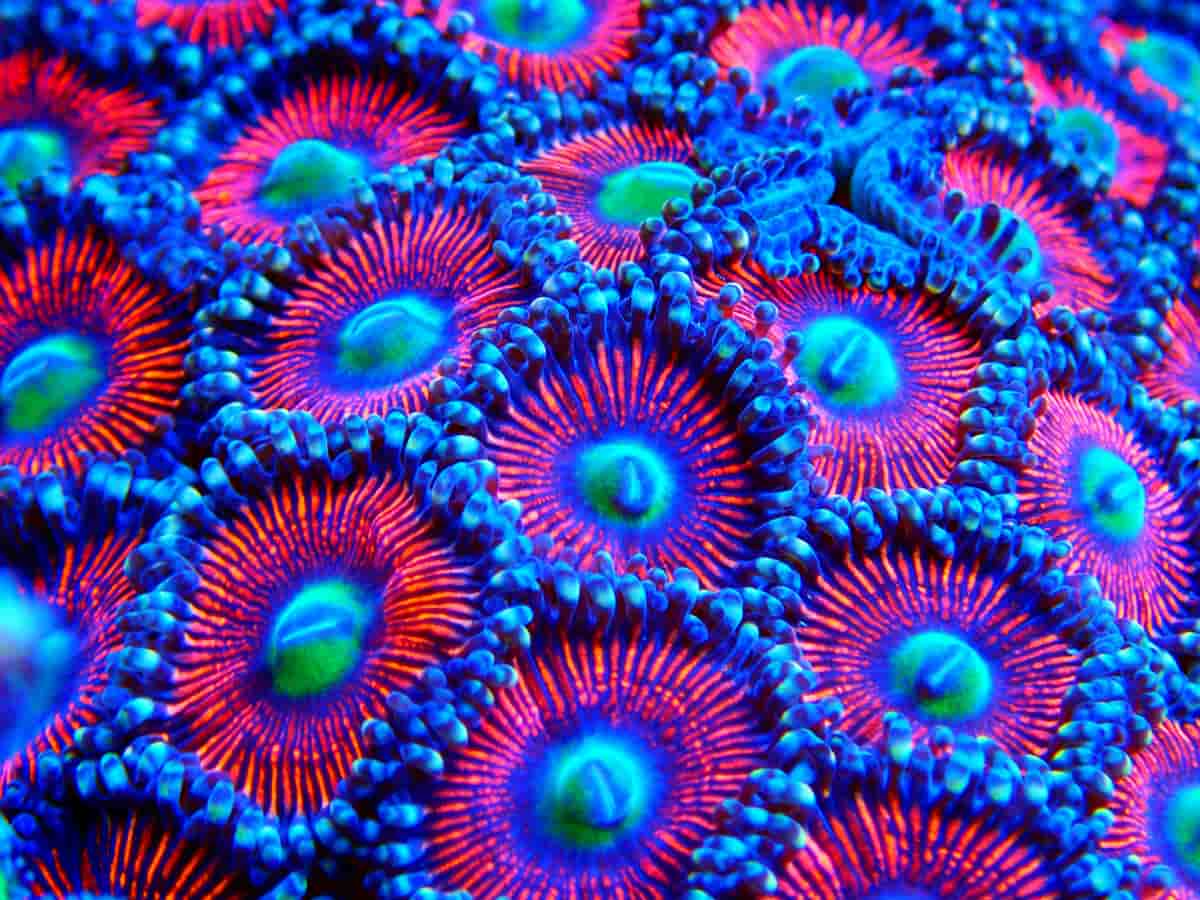
Zoanthids & Palythoa
Zoanthids are adaptable and thrive across a wide light range, but many morphs actually color up better under moderate lighting. Ideally, ask what lighting the species you are buying was kept under.
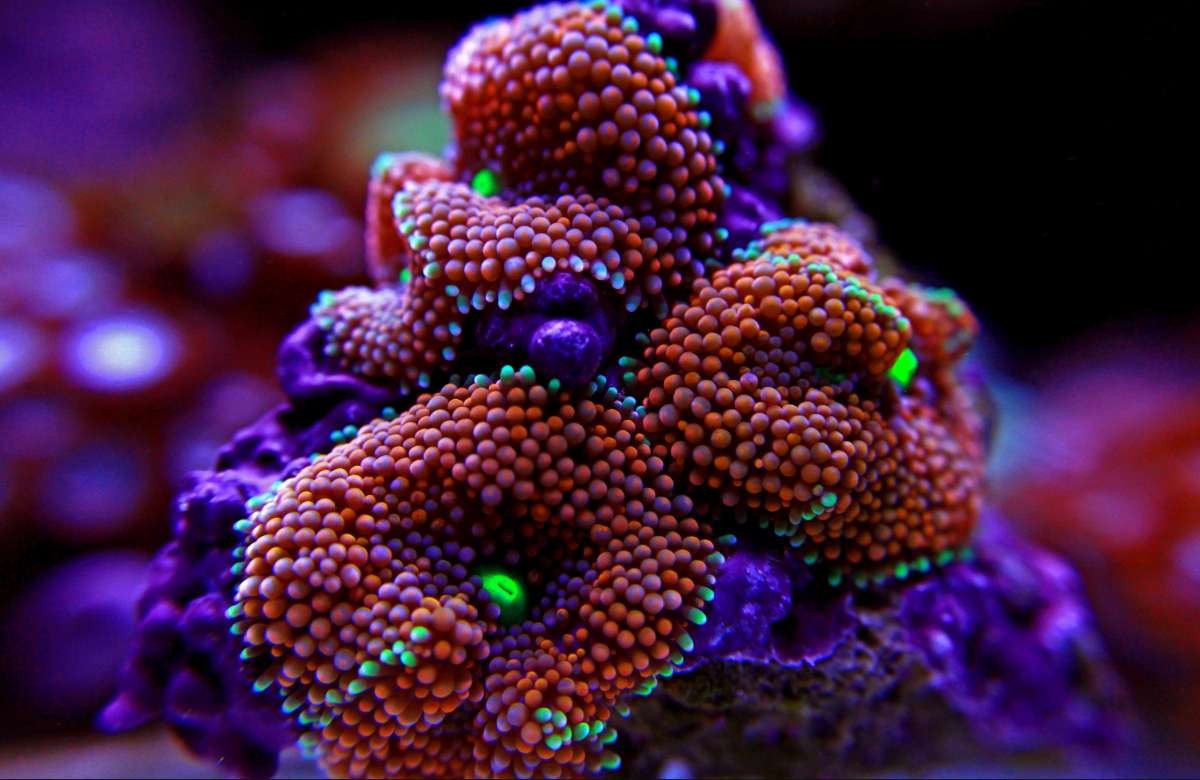
Ricordea (Florida & Yuma)
Ricordea are mushroom corals that prefer subdued lighting. Ricordea florida is especially forgiving and comes in vibrant oranges, greens, and rainbow varieties.
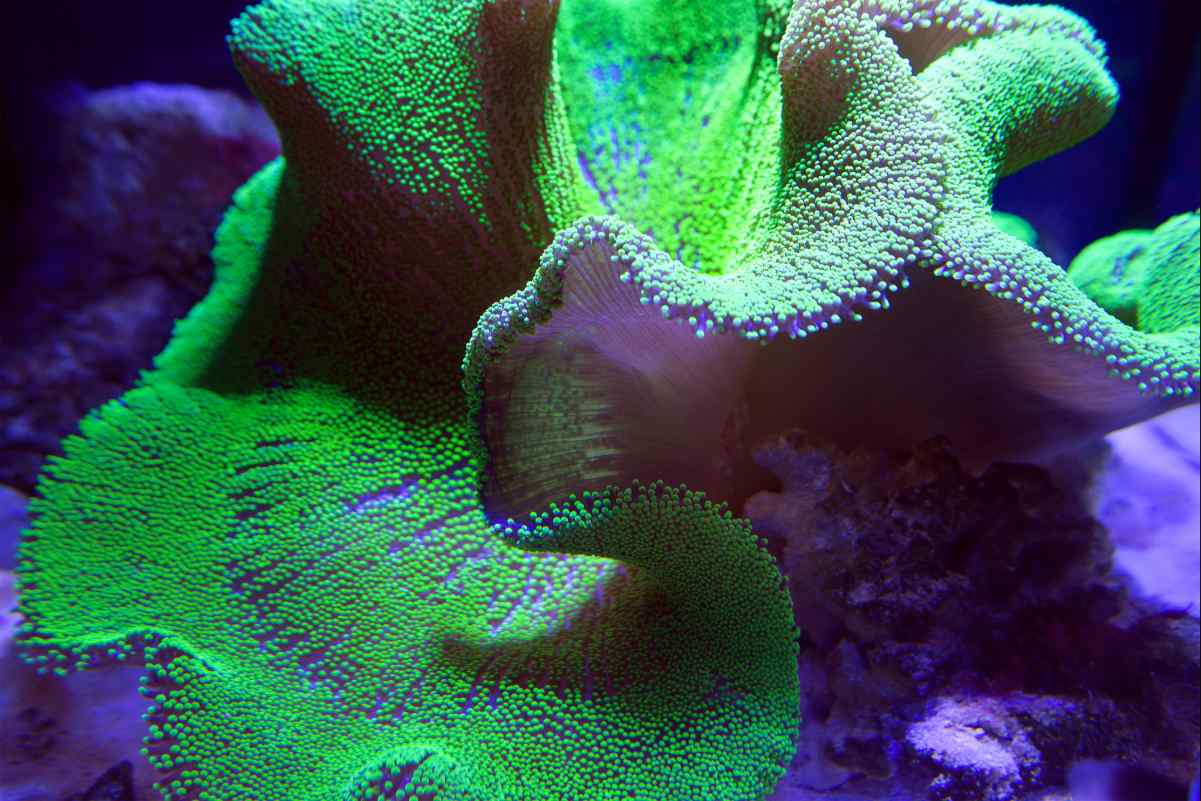
Leather Corals (Sinularia, Sarcophyton)
Leathers including toadstools, finger leathers, and cabbage corals evolved in lagoons with filtered light. They grow large and impressive without demanding equipment.
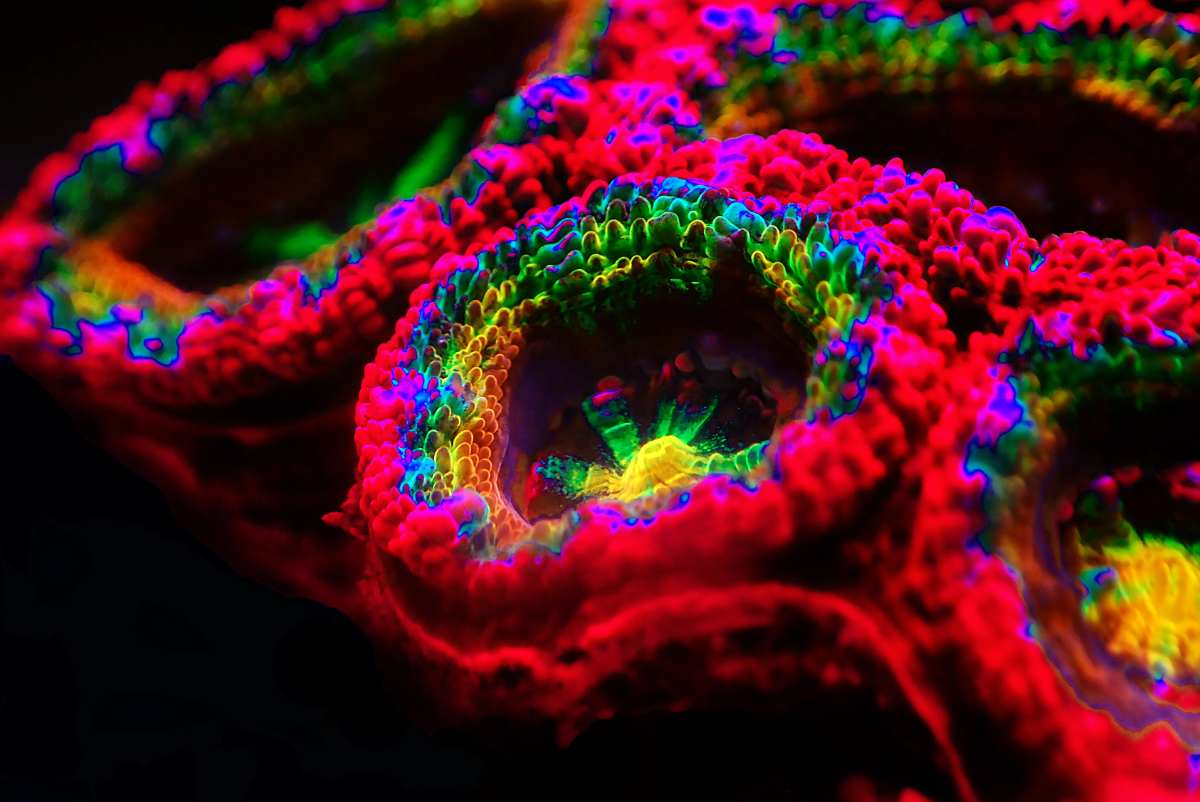
Acan (Acanthastrea)
Acans are known for vibrant colors that actually intensify under lower lighting. High PAR often causes them to bleach or brown out. They're one of the most colorful LPS options for low-light tanks.
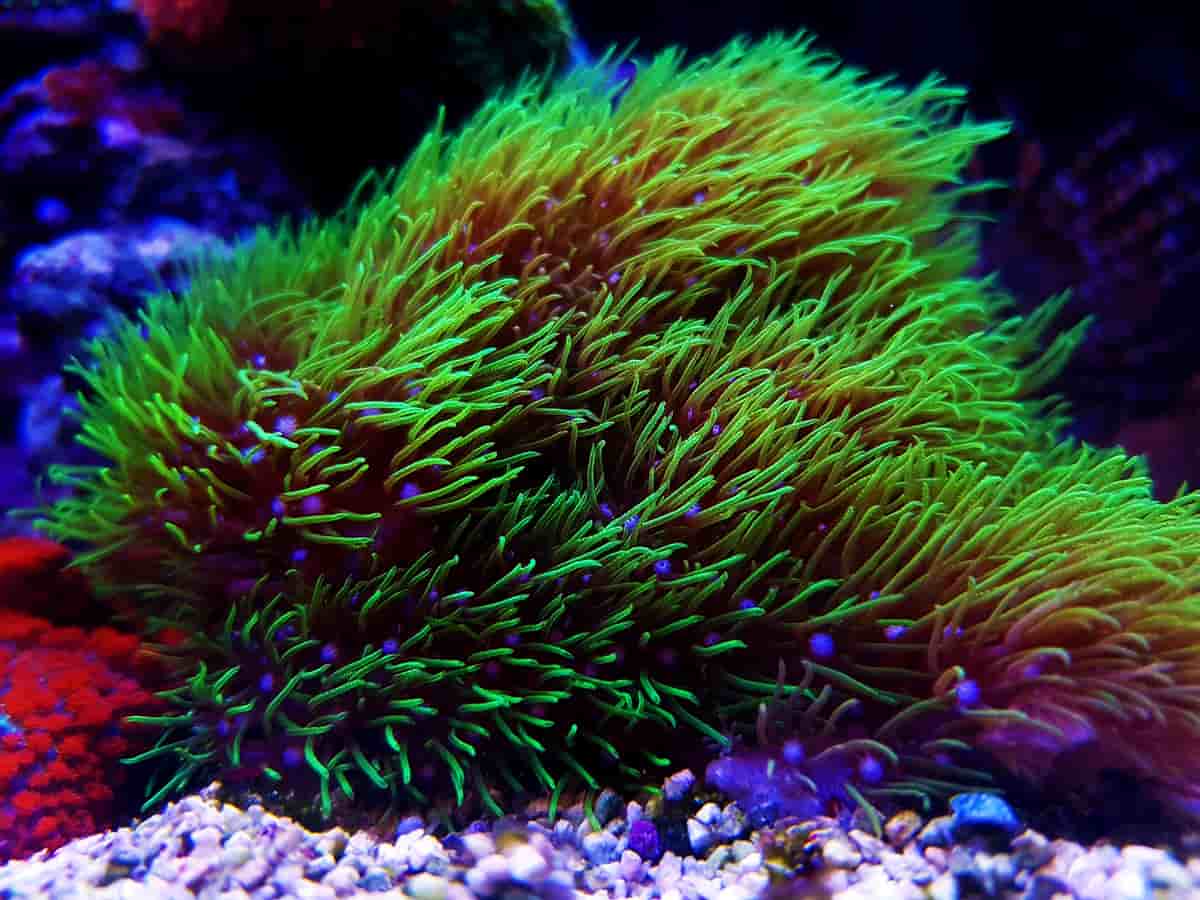
Green Star Polyps (GSP)
GSP creates a stunning green carpet effect and thrives under basic lighting. It's often the first coral to fully encrust an area of rock.
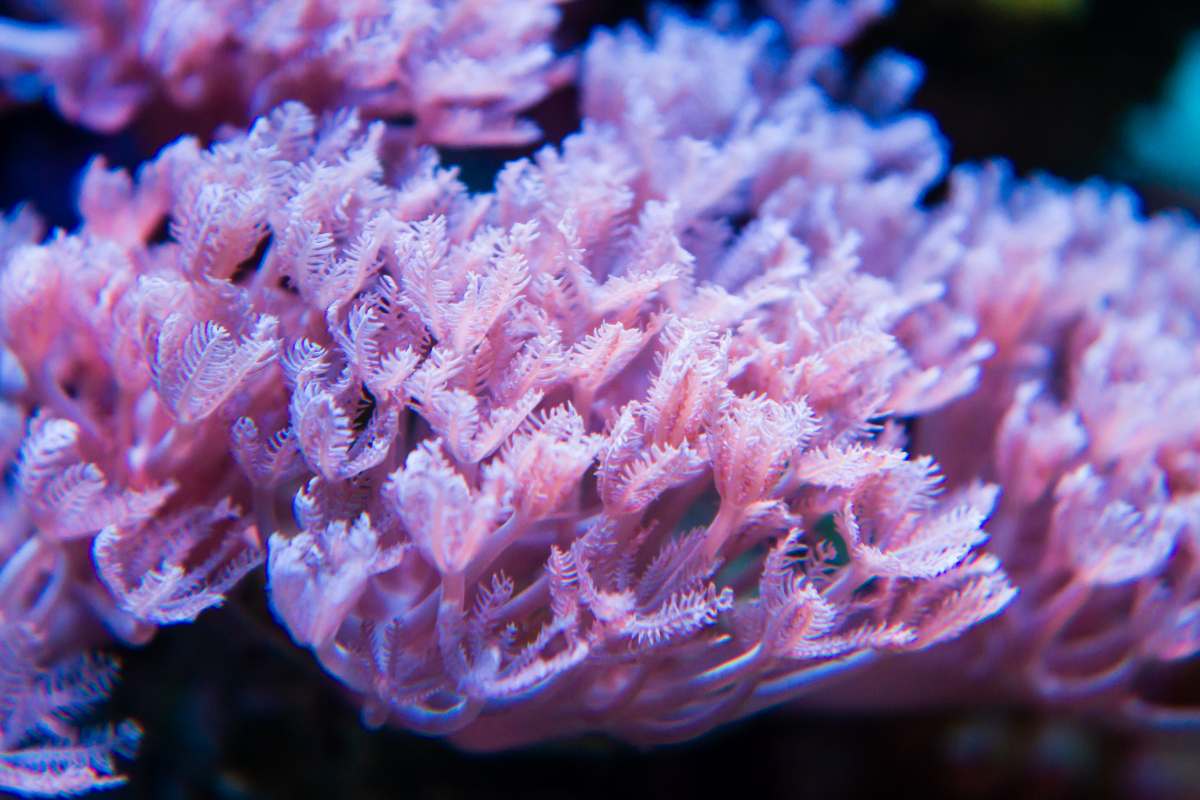
Pulsing Xenia
Famous for its hypnotic pulsing motion, xenia thrives under modest lighting and spreads readily. One of few corals with visible movement.
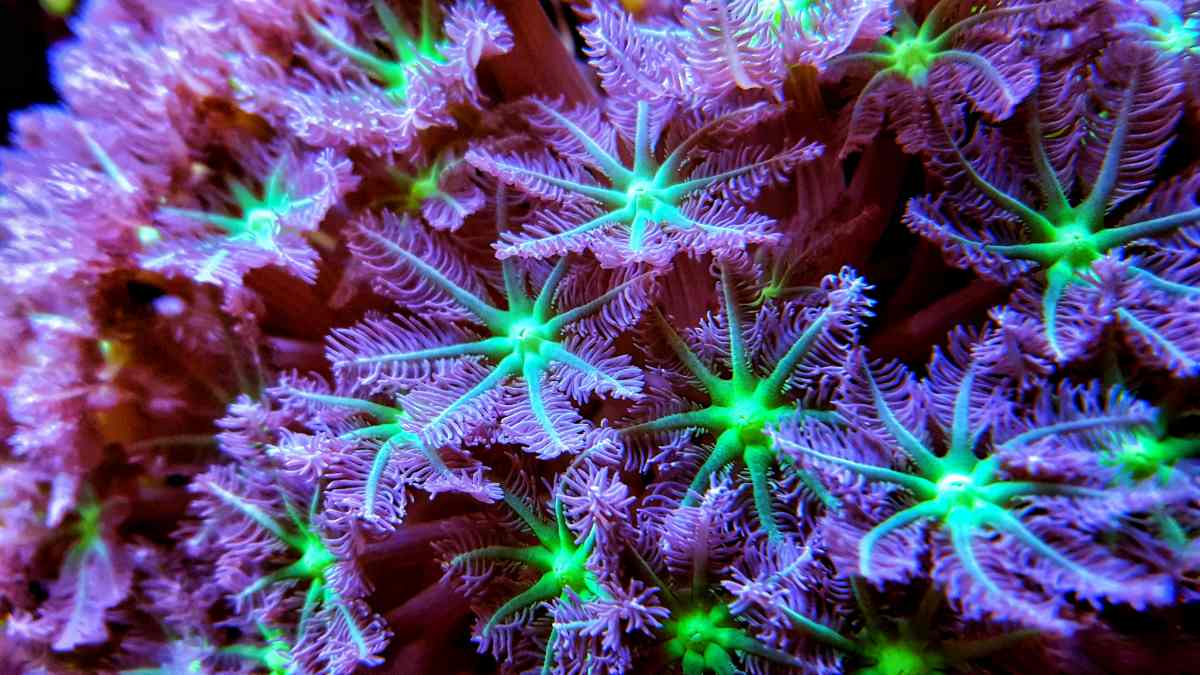
Clove Polyps
Delicate feathery polyps that prefer shaded areas. They spread along rockwork creating a soft, flowing appearance.
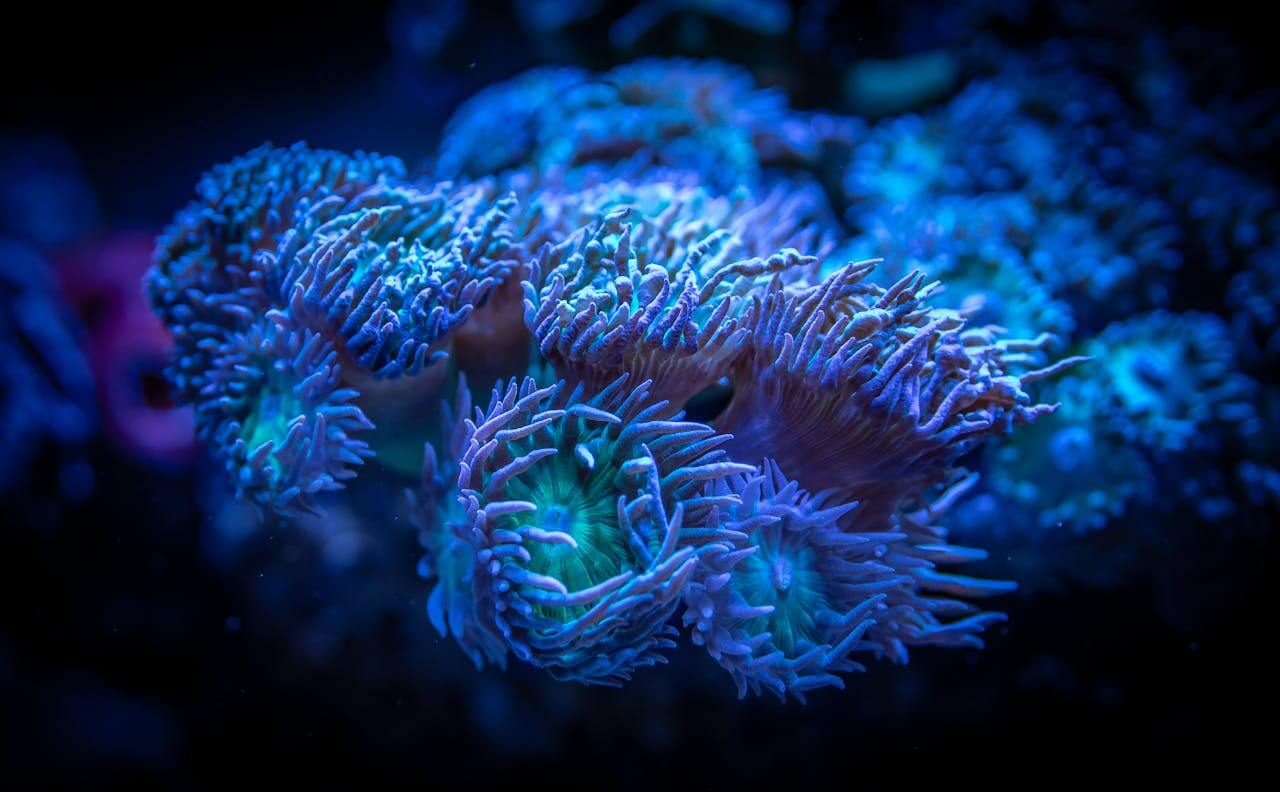
Duncan Coral
One of the few LPS corals that genuinely prefers lower light. Duncans extend their tentacles beautifully under modest PAR and grow new heads readily.
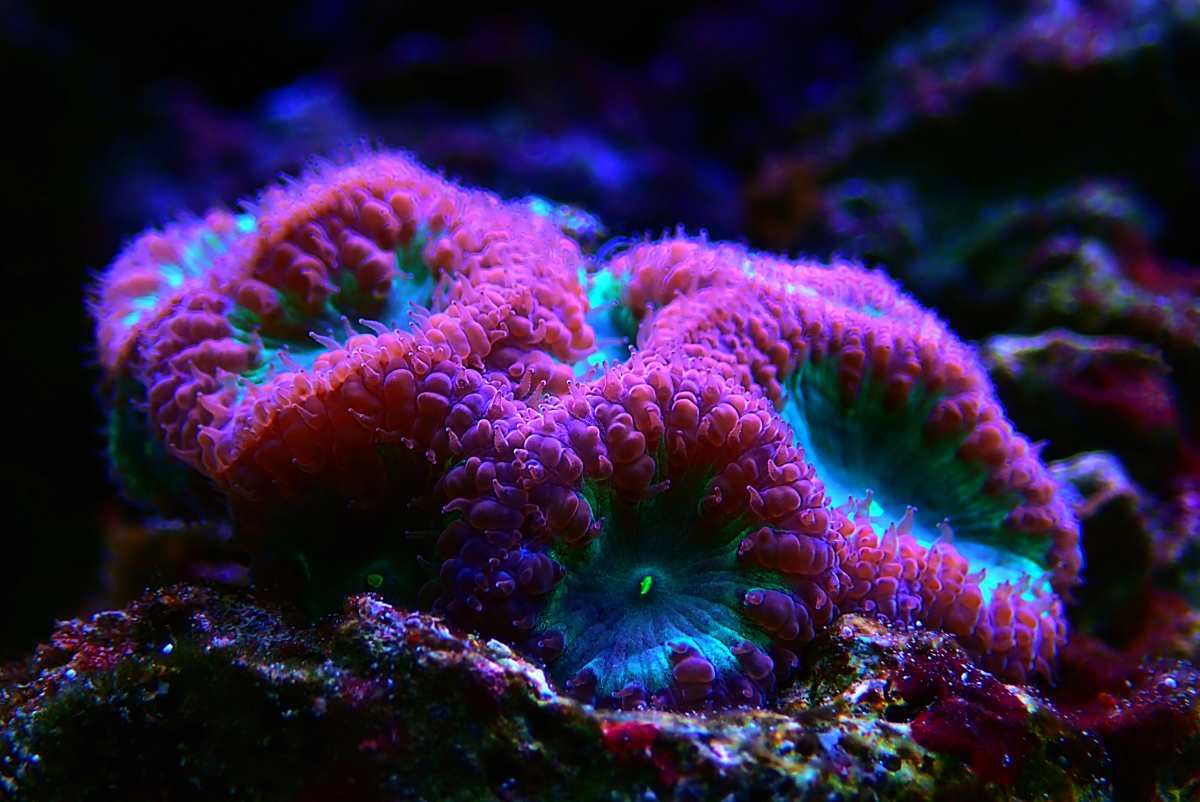
Blastomussa
Blastos thrive in lower light conditions and often show better coloration when not blasted with intense PAR. Their large fleshy polyps are forgiving and they grow steadily under modest lighting.
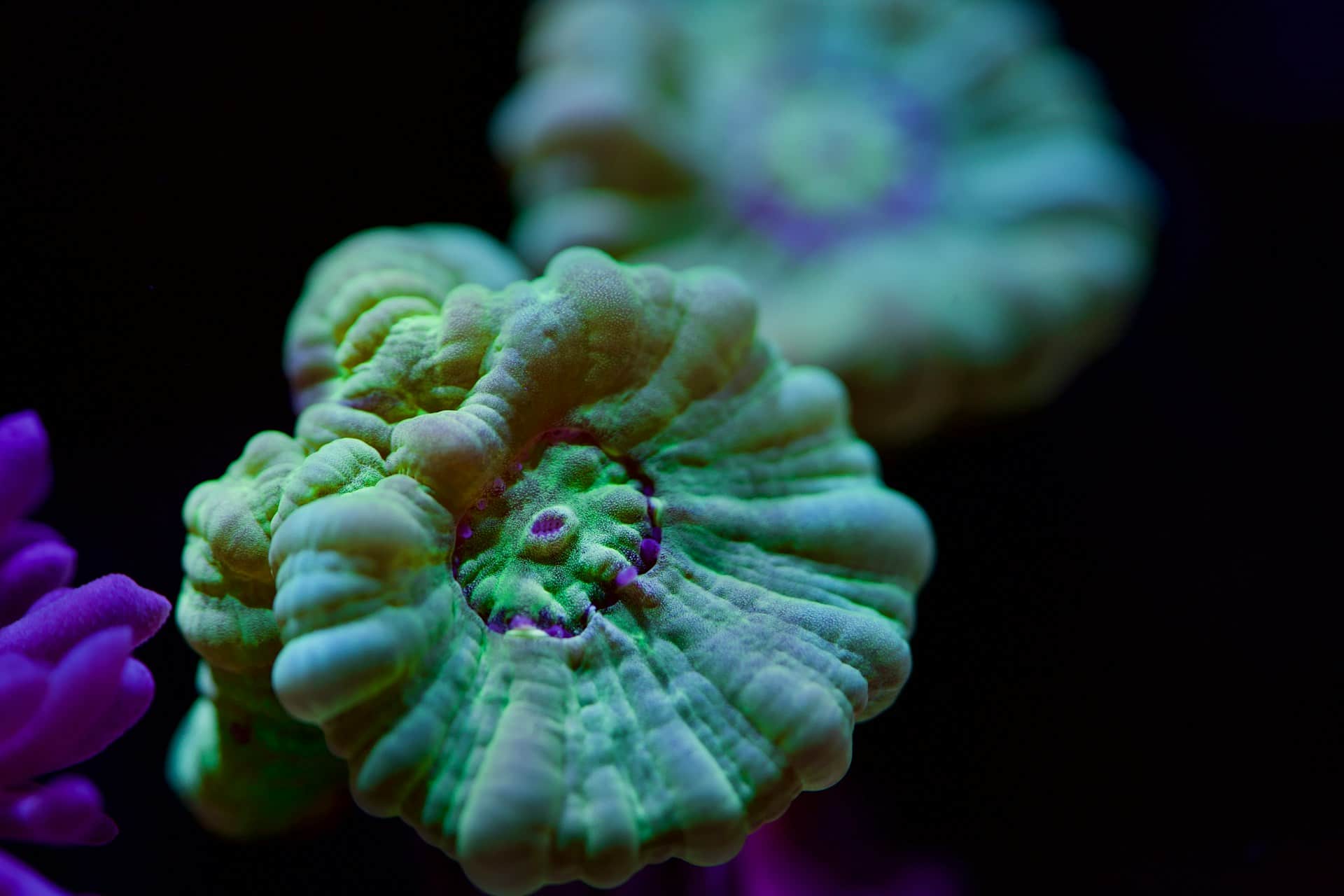
Candy Cane / Trumpet Coral
Hardy LPS that does well in the lower half of most tanks. The thick fleshy polyps are forgiving of lighting variation.
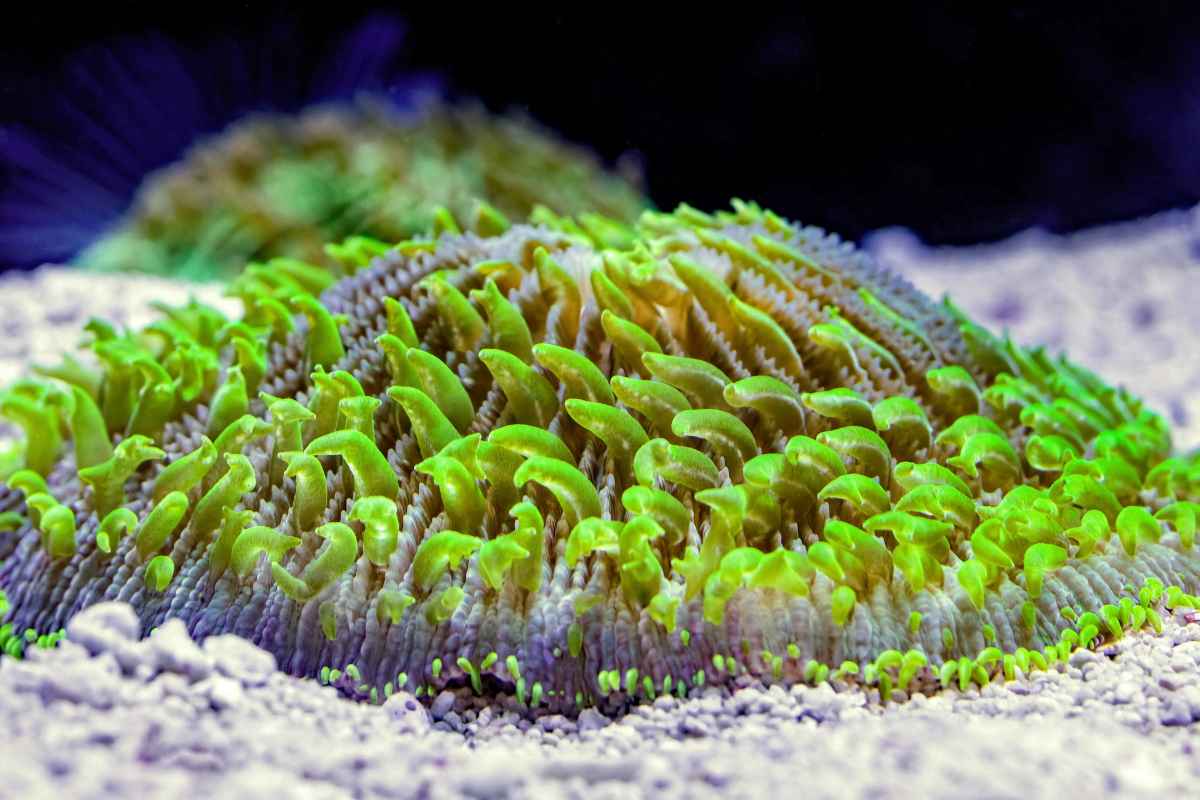
Plate Coral (Fungia)
Plate corals naturally live on sandy bottoms where light is filtered. They're perfect sandbed corals for low-light setups.
When Should You Upgrade Your Lights?
Budget lights aren't holding you back from beautiful corals—but there are reasons to upgrade eventually:
Upgrade When...
- • You want to keep Acropora or demanding SPS
- • Your tank is deeper than 18" and you want mid-tank LPS
- • You want precise control over spectrum and schedules
- • You're ready to dial in coloration on high-end zoas/acans
Stay Budget When...
- • You're happy with soft corals and easy LPS
- • Your tank is under 18" deep
- • You prefer low-maintenance reef keeping
- • You'd rather spend money on more corals
Frequently Asked Questions
What corals can I keep with cheap LED lights?
Most soft corals thrive under budget LED lighting including mushrooms, zoanthids, leather corals, Kenya trees, green star polyps, and xenia. Many LPS corals like Duncan, candy cane, and plate corals also do well. These corals need only 50-150 PAR, which basic LEDs can provide.
What is considered low light for corals?
Low light for corals is generally 50-100 PAR (Photosynthetically Active Radiation). This is the range that most budget LED fixtures, basic aquarium lights, and stock nano tank lights produce. Many soft corals and some LPS actually prefer this range over intense lighting.
Do I need expensive lights to keep corals?
No. You only need expensive lighting ($300-800+) for demanding corals (Acropora, for example). Many beautiful corals including mushrooms, zoanthids, leather corals, and some LPS thrive under $50-150 LED fixtures. Start with low-light corals and upgrade lighting later if you want to expand your reef.
Can corals have too much light?
Yes. Many corals, especially mushrooms and soft corals, can bleach, shrink, or die under excessive lighting. If your low-light coral is losing color, shriveling, or detaching from rocks, it may have too much light rather than too little. Moving it lower in the tank often solves the problem.
What budget lights work for keeping corals?
For low-light corals, many budget options work well: Nicrew and Hygger are good example of basic fixtures in the $50-150 range. Even some stock nano tank lights can grow soft corals. The key is choosing appropriate corals for your light, not trying to force high-light corals under weak lighting.
Related Guides
Ready to Start Your Low-Light Reef?
Shop soft corals and budget-friendly LPS from 30+ stores and fellow hobbyists.