
Wilsoni Coral Care Guide
Wilsoni corals are rare, visually striking LPS corals requiring intermediate to advanced care due to temperature sensitivity. This care guide covers lighting, water flow, feeding, and the critical temperature variant differences to help experienced reef keepers maintain healthy Wilsoni colonies.
About Wilsoni
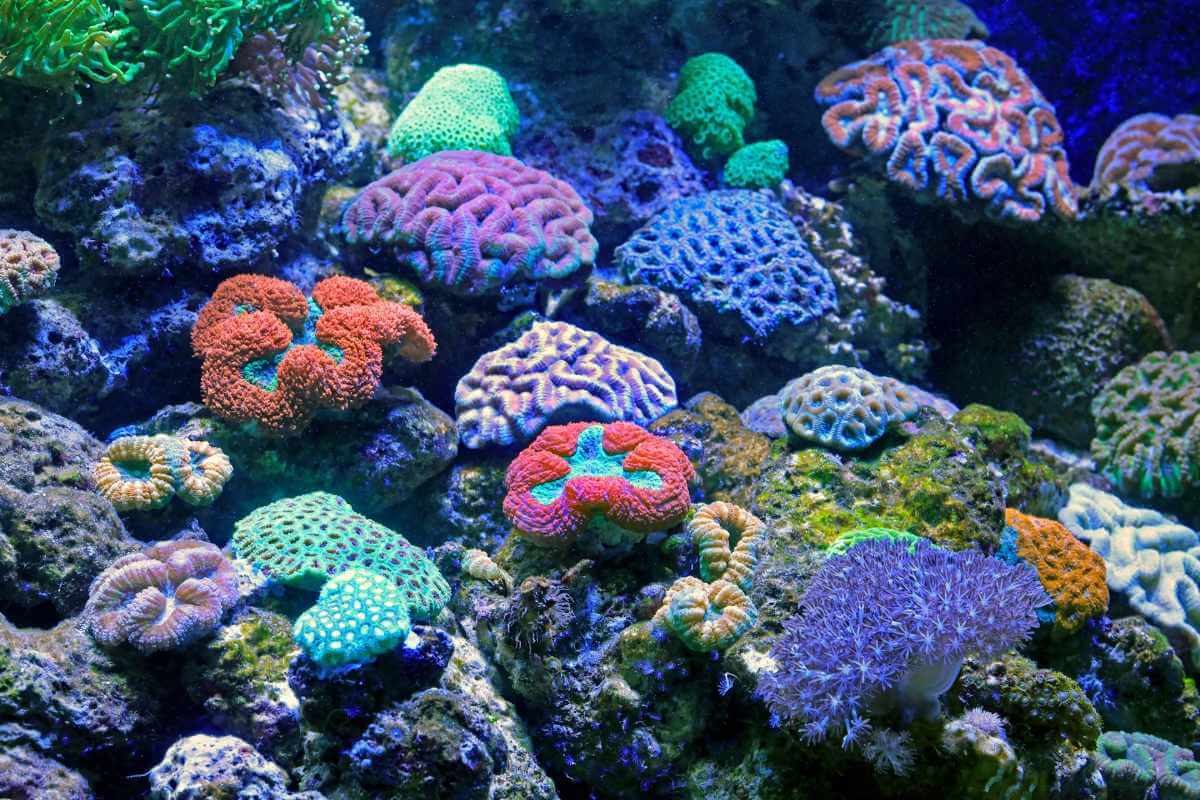
Wilsoni Coral (Australophyllia wilsoni) is a rare large polyp stony coral native exclusively to the Western Australian coastline, prized for its dramatic red, blue, and purple coloration. Wilsoni Coral displays large, fleshy polyps with distinct lobes and mouths that inflate dramatically when healthy, creating a striking showpiece appearance in reef aquariums. Wilsoni Coral thrives under low lighting of 50-100 PAR and gentle water flow, making placement on sand beds or lower rockwork ideal for this sensitive species. Wilsoni Coral exists in two temperature variants—cold water specimens from 70-72°F waters and warm water specimens from 76-78°F waters—with the most colorful individuals originating from colder regions.
Wilsoni Coral benefits significantly from regular target feeding with meaty foods like mysis shrimp, as this mixotrophic species relies on both photosynthesis and direct feeding for optimal health and coloration.
Care Requirements
Quick overview for keeping your coral thriving
Difficulty
Advanced
Lighting
Low to Moderate
Water Flow
Low
Detailed Care Guide
In-depth information for optimal care
Difficulty Level
Intermediate to Advanced
Wilsoni Coral requires more attention than typical LPS corals due to its sensitivity to temperature, lighting, and water quality fluctuations. The existence of cold water and warm water variants adds complexity, as aquarists must determine their specimen's origin to provide appropriate conditions. Wilsoni Coral is extremely hardy once established in stable conditions, but initial acclimation failure is the primary cause of loss.
Successful Wilsoni keepers maintain stable alkalinity levels, avoid rapid temperature changes, and commit to regular target feeding schedules to keep colonies thriving long-term.
Lighting Requirements
Low to Moderate
Wilsoni Coral thrives at 50-100 PAR, with most successful hobbyists keeping specimens at the lower end of this range around 75 PAR. Light overexposure is one of the primary causes of Wilsoni decline, leading to bleaching and tissue recession that can be difficult to reverse. Wilsoni Coral should be started at very low light levels and gradually acclimated over several weeks.
The most vibrant coloration develops under lower lighting combined with regular feeding, while excessive light causes colors to fade and tissue to recede.
Water Flow
Low
Wilsoni Coral prefers gentle, indirect water flow that allows polyps to expand fully without being forced against the skeleton. Excessive flow causes tissue damage as the fleshy polyps rub against the sharp skeleton edges, leading to recession and potential colony loss. Wilsoni Coral should show gentle polyp movement rather than constant retraction or one-sided compression.
Reef keepers should provide enough flow to prevent detritus accumulation around the coral base while avoiding direct powerhead output aimed at the colony.
Keep your Wilsoni healthy
Save photos, placement, parameters, and what you paid — and see how your Wilsoni changes over time.
Parameters
In range8.5 dKH
Alkalinity target 8–9 dKH · sample data
Your Wilsoni
just added$262 paid
value from live market
Temperature Variants
Cold Water vs Warm Water Wilsoni
Wilsoni Coral exists in two distinct temperature variants based on collection location along the Western Australian coast. Cold water Wilsoni specimens originate from temperate southern waters near Perth where temperatures range from 70-72°F and can drop to 64°F in winter. Warm water Wilsoni specimens come from tropical northern waters near Port Hedland where temperatures remain at 76-78°F year-round.
The most dramatically colored Wilsoni corals—featuring bright reds, oranges, and rainbow multicolor patterns—originate from the colder southern waters. These cold water specimens often struggle when placed directly into standard reef aquariums running at 76-78°F, with temperature shock being the primary cause of initial failure.
Reef keepers purchasing Wilsoni Coral should ask vendors about the specimen's collection origin or acclimation history. Cold water specimens can be slowly acclimated to warmer temperatures over several weeks, but this process requires patience and stable conditions. Some advanced hobbyists maintain dedicated cooler systems for cold water Wilsoni, though this significantly increases equipment requirements and limits compatible tank mates.
Buying Advice
What to look for when purchasing
Coloration
Wilsoni Coral should display vibrant, rich colors without dull or faded patches, with healthy specimens showing distinct contrast between lobes and mouths. Fading colors can indicate early bleaching from light stress or temperature shock, conditions that are difficult to reverse once established.
Tissue Health
Wilsoni Coral tissue should appear fully inflated, smooth, and free of skeleton exposure or receding edges. Shriveled or retracted tissue may indicate stress from transport, poor acclimation, or unsuitable conditions at the vendor's facility.
Temperature Origin
Wilsoni Coral buyers should ask vendors about the specimen's collection origin or temperature acclimation history before purchase. Cold water specimens from southern Australia require gradual acclimation to standard reef temperatures, while warm water specimens from northern Australia adapt readily to 76-78°F tanks.
Feeding Response
Healthy Wilsoni Coral specimens extend feeding tentacles at night or when food is introduced, indicating good condition and feeding capability. Wilsoni Coral that fails to extend tentacles may be stressed or declining.
Taxonomy
Species
Reef Value
Live pricing$1,860
+$120 this month
Priced from live marketplace listings
Wilsoni
Just added · Frag rack
$262
Hammer Coral
8 months · Mid rock
$65
Zoa Colony
1 year · Sand bed
$40
Track Your Reef
Add your Wilsoni to your tank's living inventory — placement, source, and photos as it grows — next to the parameter logs and maintenance history that keep it thriving. Reef Value even shows what your collection is worth, priced from live marketplace listings.
Find Your Perfect Wilsoni
Compare prices from 5+ verified sellers. From budget-friendly frags to rare collector pieces.
Starting at
$100
Average Price
$262
Premium frags up to
$550
Full Price History
Trends, movers & market data
Frequently Asked
Common questions about Wilsoni corals
What temperature does Wilsoni Coral need?
Wilsoni Coral temperature requirements depend entirely on the specimen's collection origin, as two distinct variants exist. Cold water Wilsoni corals originate from 70-72°F waters near southern Australia and often struggle in standard 76-78°F reef tanks without slow acclimation over several weeks. Warm water Wilsoni corals from northern Australia thrive at typical reef temperatures of 76-78°F without special accommodation.
Reef keepers should ask vendors about their Wilsoni's origin or acclimation history before purchase, as temperature mismatch is the leading cause of Wilsoni loss in home aquariums.
Is Wilsoni Coral difficult to keep?
Wilsoni Coral is considered intermediate to advanced difficulty primarily due to its sensitivity to temperature, lighting, and water quality fluctuations rather than complex care requirements. Wilsoni Coral becomes remarkably hardy once properly acclimated and established in stable conditions, but the initial transition period is where most losses occur.
Successful Wilsoni keepers provide low lighting around 75-100 PAR, gentle indirect flow, stable alkalinity, and regular target feeding 2-3 times per week. The temperature variant issue adds complexity, as cold water specimens require gradual acclimation to warmer reef temperatures.
How much light does Wilsoni Coral need?
Wilsoni Coral thrives under low to moderate lighting, with most successful hobbyists maintaining specimens at 50-100 PAR. Light overexposure is one of the most common causes of Wilsoni decline, causing bleaching, color fading, and tissue recession that can be irreversible. Wilsoni Coral should be placed in shaded areas or on sand beds away from intense lighting, then slowly acclimated upward only if the coral shows consistent health.
Reef keepers often achieve the most vibrant Wilsoni coloration at the lower end of the PAR range around 75 PAR combined with consistent target feeding.
What should I feed my Wilsoni Coral?
Wilsoni Coral benefits significantly from target feeding with meaty foods such as mysis shrimp, brine shrimp, reef roids, or LPS pellets delivered directly to the coral's mouths. Wilsoni Coral is mixotrophic, meaning it obtains nutrition from both photosynthesis and captured food, so regular feeding dramatically improves growth, tissue expansion, and color vibrancy.
Experienced Wilsoni keepers recommend target feeding 2-3 times per week, ideally in the early morning before lights turn on or at night when feeding tentacles extend. Consistent feeding schedules have helped hobbyists recover struggling Wilsoni specimens that showed tissue recession.
How fast does Wilsoni Coral grow?
Wilsoni Coral grows slowly compared to other LPS corals, with visible expansion taking months rather than weeks even under optimal conditions. Wilsoni Coral expands as an encrusting or dome-shaped structure, gradually adding tissue and new polyps around the colony edges. Growth rate improves significantly with regular target feeding and stable water parameters, particularly consistent alkalinity and calcium levels.
Reef keepers should not expect rapid growth from Wilsoni Coral and should instead focus on maintaining healthy coloration and full polyp extension as indicators of success.
Why is my Wilsoni Coral not doing well?
Wilsoni Coral decline most commonly results from temperature shock, light overexposure, excessive water flow, or insufficient feeding. Cold water Wilsoni specimens placed directly into warm reef tanks experience temperature shock that causes rapid decline, so determining specimen origin is critical. Light overexposure causes bleaching and tissue recession, often appearing as faded colors and shrinking tissue.
Reef keepers with struggling Wilsoni should reduce lighting intensity, ensure flow is gentle and indirect, increase target feeding frequency to 3 times per week, and verify stable water parameters. Some hobbyists have recovered declining Wilsoni by slightly lowering tank temperature if a cold water variant is suspected.
Explore Related Corals
Popular corals you might also be interested in
All LPS Corals
Browse the complete collection of LPS coral care guides