
Frogspawn Coral Care Guide
About Frogspawn
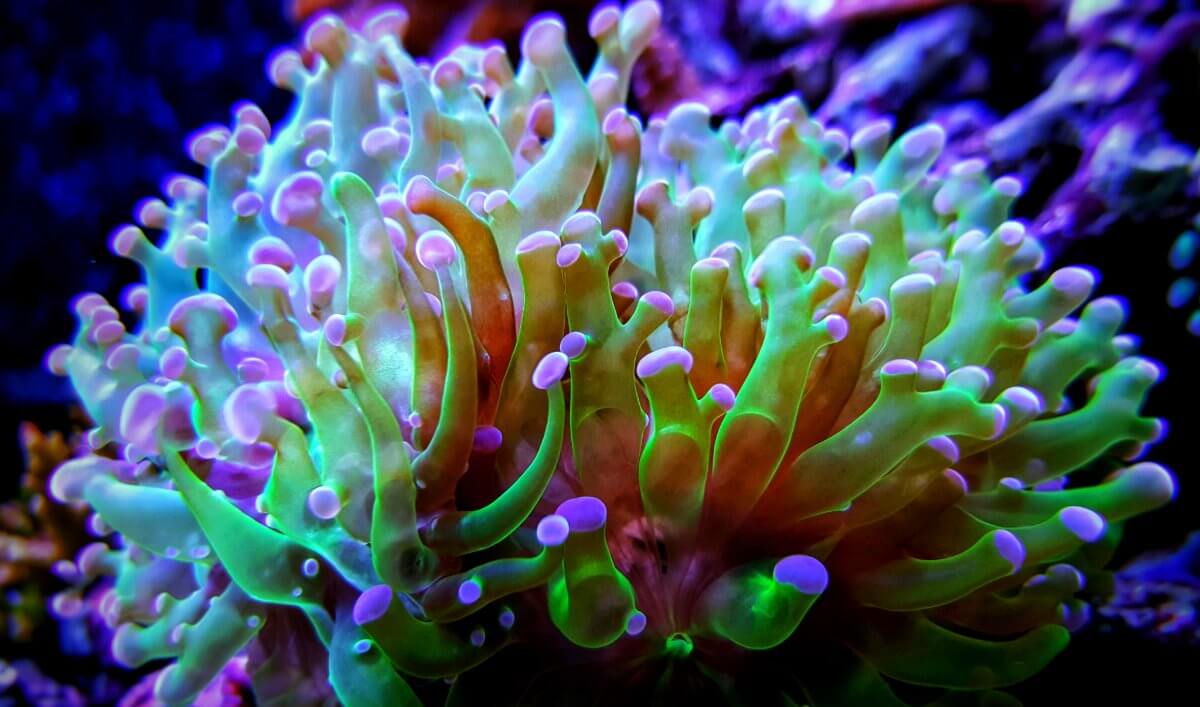
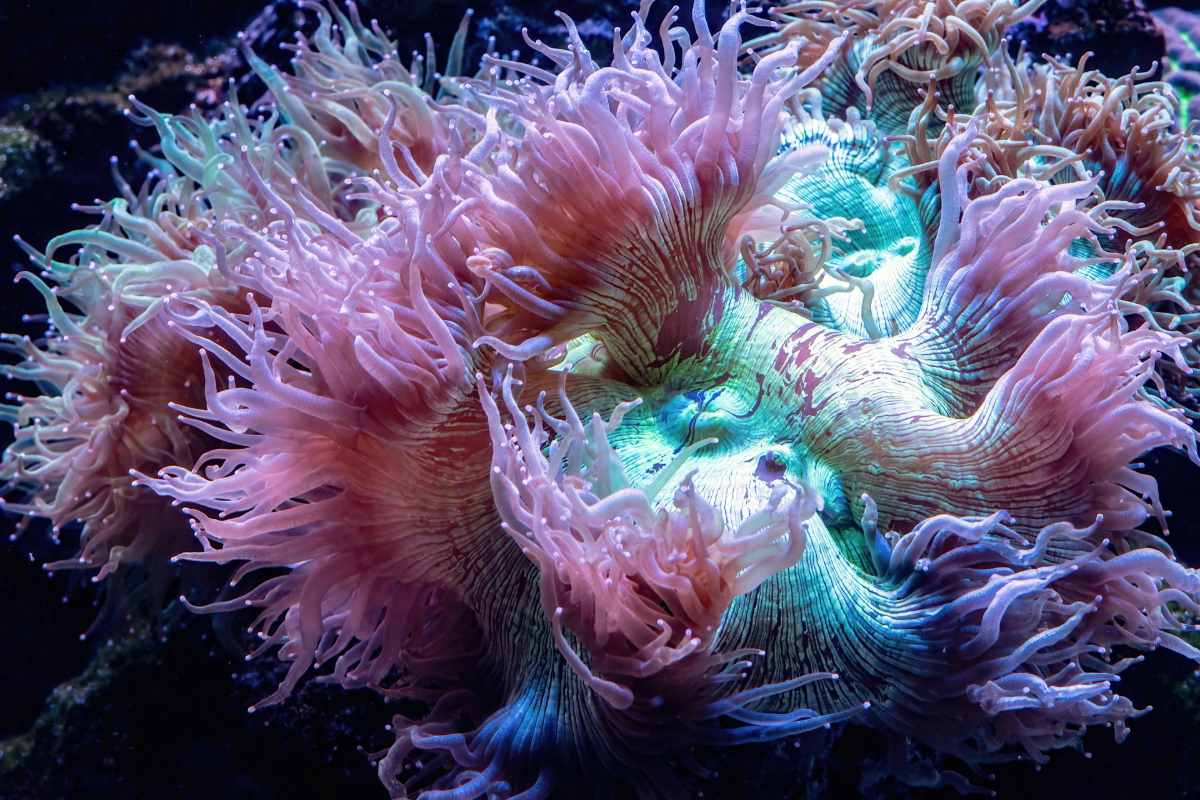
Frogspawn Coral (Euphyllia divisa) is a popular LPS (large polyp stony) coral known for its flowing, bubble-tipped tentacles that resemble frog eggs — hence the name. With its vibrant colors ranging from neon green to purple, pink, and gold, frogspawn brings beautiful movement and coloration to any aquarium. It is a relatively hardy coral that adapts well to a variety of lighting and flow conditions, making it a favorite among both beginner and intermediate hobbyists.
Care Requirements
Quick overview for keeping your coral thriving
Difficulty
Intermediate
Lighting
Moderate
Water Flow
Moderate
Keep your Frogspawn healthy
Save photos, placement, parameters, and what you paid — and see how your Frogspawn changes over time.
Parameters
In range8.5 dKH
Alkalinity target 8–9 dKH · sample data
Your Frogspawn
just added$70 paid
value from live market
Buying Advice
What to look for when purchasing
Polyp Appearance
Look for full, inflated polyps with flowing tentacles. Tentacles should be extended and show good color — retracted, shrunken, or deflated polyps may indicate stress.
Tissue Health
Avoid corals with signs of brown jelly disease, torn tissue, or exposed skeleton. The base should appear healthy and firmly attached to its frag plug or skeleton.
Branching vs. Wall
Branching frogspawn grow more heads and are easier to frag, while wall types tend to grow as a single large mass. Choose based on your preference and tank layout.
Pricing
Frogspawn pricing varies based on color, size, and rarity. Common green varieties are usually more affordable, while premium color morphs can be significantly more expensive. Branching types are more widely available and often cost less, as they’re easier to frag and typically priced by the number of heads.
Taxonomy
Species
Reef Value
Live pricing$1,860
+$120 this month
Priced from live marketplace listings
Frogspawn
Just added · Frag rack
$70
Hammer Coral
8 months · Mid rock
$65
Zoa Colony
1 year · Sand bed
$40
Track Your Reef
Add your Frogspawn to your tank's living inventory — placement, source, and photos as it grows — next to the parameter logs and maintenance history that keep it thriving. Reef Value even shows what your collection is worth, priced from live marketplace listings.
Find Your Perfect Frogspawn
Compare prices from 12+ verified sellers. From budget-friendly frags to rare collector pieces.
Starting at
$30
Average Price
$70
Premium frags up to
$305
Full Price History
Trends, movers & market data
Frequently Asked
Common questions about Frogspawn corals
Is Frogspawn Coral aggressive?
Yes, Frogspawn Coral has long sweeper tentacles that can sting nearby corals, especially at night. It's considered semi-aggressive and should be given space from other species.
Can Frogspawn Coral touch other Euphyllia corals?
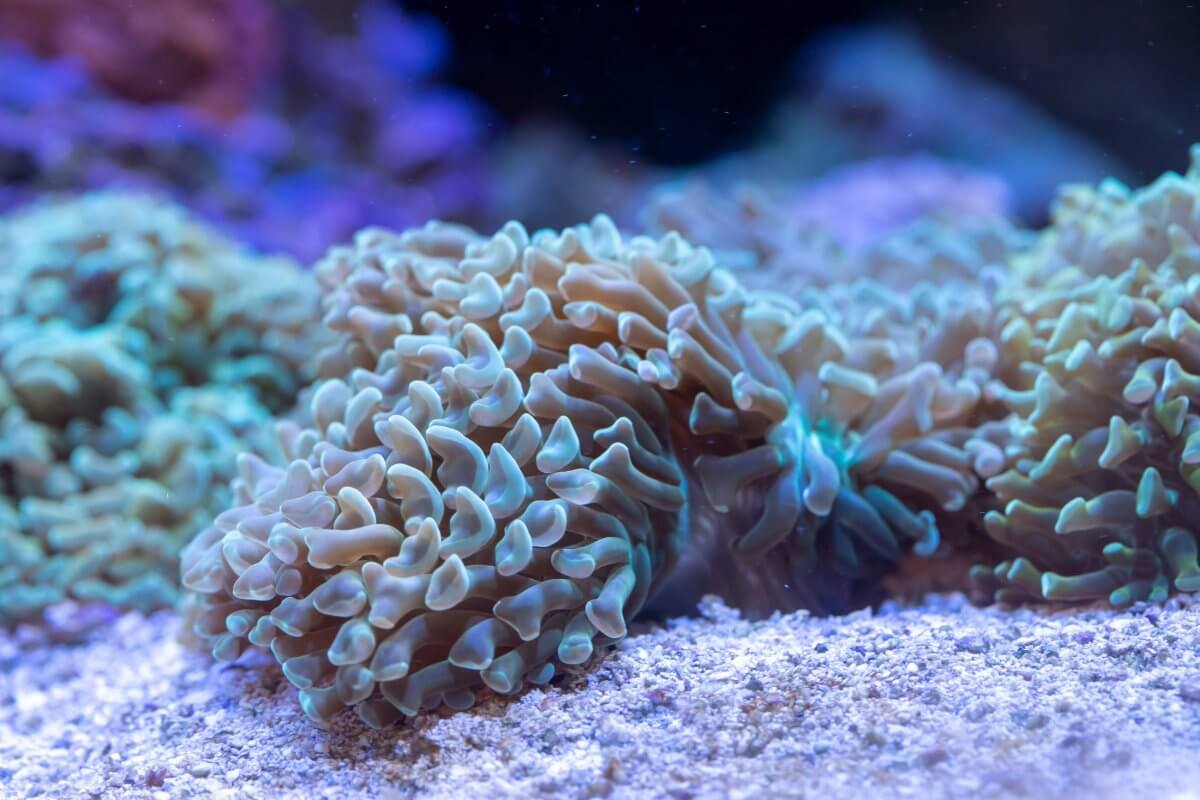
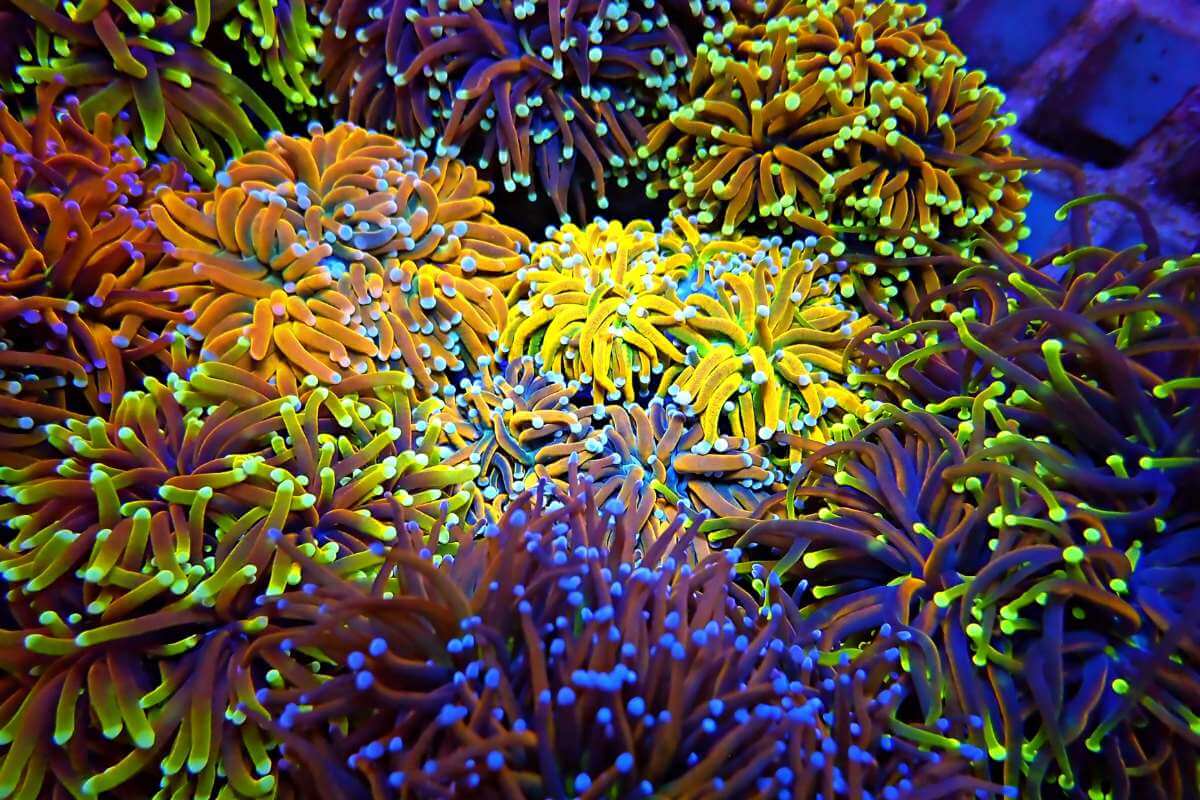
Frogspawn can sometimes coexist peacefully with other Euphyllia species like hammers. However, this is less true with torch corals, and they are best kept separated from torches. Compatibility depends on the individual colonies, so observe for aggression or damage before placing them close together.
Do Frogspawn Corals change color with different lighting?
Yes, Frogspawn Corals can appear quite different depending on your lighting setup. Under bluer spectrum lighting (like actinic or reef-specific LEDs), their colors often pop with enhanced fluorescence—greens may glow neon, and purples or pinks become more vivid. In whiter or more natural light, their tones can look more subdued. While lighting can affect appearance, major shifts in color over time may also indicate stress, changes in water chemistry, or nutrient levels.
All LPS Corals
Browse the complete collection of LPS coral care guides