
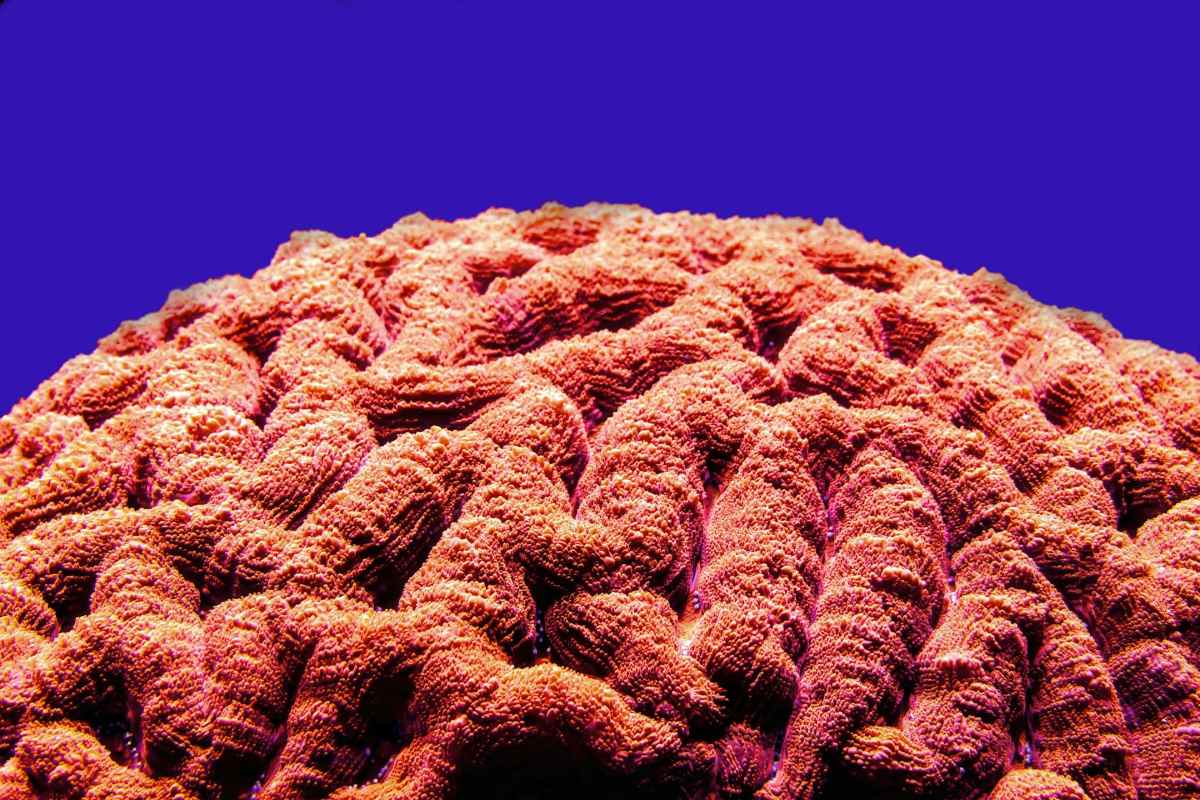
Lobophyllia Coral Care Guide
Lobophyllia corals are intermediate-level LPS corals prized for their thick, fleshy polyps and vibrant color morphs. This care guide covers lighting, water flow, feeding, and placement to help reef keepers maintain healthy Lobophyllia colonies while managing their semi-aggressive behavior.
About Lobophyllia
Lobophyllia coral is a large polyp stony coral known for its thick, fleshy tissue and bold color morphs ranging from neon greens and fiery oranges to deep reds and metallic blues. Lobophyllia colonies feature oversized polyps that inflate dramatically when healthy, creating a sculpted, brain-like appearance that makes the species a centerpiece coral in reef aquariums. Lobophyllia coral thrives under low to moderate lighting between 50-150 PAR and gentle indirect water flow, making Lobophyllia suitable for sandbed or lower rockwork placement in established reef systems.
Lobophyllia coral extends sweeper tentacles and deploys mesenteric filaments at night to attack neighboring corals, requiring 4-6 inches minimum spacing from tank mates. Lobophyllia responds enthusiastically to target feeding with meaty foods like mysis shrimp and krill, with regular feeding promoting fuller polyp inflation, enhanced coloration, and faster growth compared to unfed specimens.
Care Requirements
Quick overview for keeping your coral thriving
Difficulty
Intermediate
Lighting
Low to Moderate
Water Flow
Low to Moderate
Detailed Care Guide
In-depth information for optimal care
Difficulty Level
Intermediate
Lobophyllia coral tolerates a range of conditions but requires stable water parameters and appropriate placement to thrive long-term. The species does not demand the pristine water chemistry of SPS corals, but Lobophyllia is sensitive to elevated nitrate levels above 30-40 ppm and phosphate spikes that can trigger tissue recession.
Lobophyllia coral's primary care challenges involve managing semi-aggressive nighttime behavior, preventing tissue damage from excessive flow, and providing adequate space for the coral's fleshy polyps to fully expand without interference from neighboring specimens.
Lighting Requirements
Low to Moderate
Lobophyllia coral performs best under low to moderate lighting between 50-150 PAR, with many experienced reef keepers recommending the lower end around 50-100 PAR to prevent bleaching. Lobophyllia naturally inhabits shaded areas and reef overhangs, making the species well-suited for sandbed placement or lower rockwork away from intense lighting.
Lobophyllia coral placed under lighting exceeding 150-200 PAR may bleach or remain chronically retracted, especially without gradual acclimation over 2-4 weeks. Reef keepers should provide 8-10 hours of lighting daily with gradual intensity transitions at dawn and dusk.
Water Flow
Low to Moderate
Lobophyllia coral thrives in gentle, indirect water flow that keeps the coral surface clean of detritus without causing tissue retraction or damage. Flow rates between 5-15x tank turnover per hour work well for most Lobophyllia colonies, with randomized or alternating patterns preferred over constant laminar flow.
Excessive direct flow causes Lobophyllia polyps to remain tightly retracted against the skeleton, and prolonged exposure to strong current leads to tissue recession in areas where flow impacts the coral most directly. Lobophyllia colonies displaying persistently retracted polyps should be moved to a calmer location.
Keep your Lobophyllia healthy
Save photos, placement, parameters, and what you paid — and see how your Lobophyllia changes over time.
Parameters
In range8.5 dKH
Alkalinity target 8–9 dKH · sample data
Your Lobophyllia
just added$112 paid
value from live market
Mesenteric Filament Attacks
Lobophyllia coral employs mesenteric filament attacks as its primary aggressive mechanism, extruding digestive tissue at night to damage or digest neighboring coral tissue rather than relying primarily on sweeper tentacles like many LPS corals. Lobophyllia mesenteric filaments contain digestive enzymes that break down tissue of corals positioned too closely, and these filaments retract completely by morning leaving no visible evidence of the attack.
Reef keepers often discover mesenteric filament damage only after noticing bleached or dead tissue on corals positioned near Lobophyllia colonies, making nighttime observation essential for understanding tank dynamics. Providing adequate spacing of 4-6 inches minimum and monitoring the tank after lights-out reveals Lobophyllia's aggressive feeding behavior and prevents unexpected losses of neighboring specimens.
Buying Advice
What to look for when purchasing
Polyp Inflation
Healthy Lobophyllia displays fully inflated, fleshy polyps that extend well beyond the skeleton and obscure skeletal ridges completely. Avoid specimens appearing shriveled, deflated, or showing prominent skeletal structure through the tissue, which indicates stress or declining health.
Color Intensity
Select Lobophyllia specimens with deep, saturated colors that appear rich and consistent across the entire colony. Dull, faded, or pale coloration often indicates recent stress, excessive lighting at the source facility, or declining health that may worsen after transport.
Tissue Coverage
Examine the entire Lobophyllia colony for complete tissue coverage with no exposed white skeleton at the base, edges, or between polyps. Even small areas of tissue recession can take months to heal and may indicate underlying water quality issues or infection at the source facility.
Feeding Response
Observe Lobophyllia specimens during store feeding time if possible, as healthy colonies display active feeding tentacles and strong food capture response. Specimens that ignore food or show minimal feeding behavior may be stressed or acclimating poorly.
Taxonomy
Species
Reef Value
Live pricing$1,860
+$120 this month
Priced from live marketplace listings
Lobophyllia
Just added · Frag rack
$112
Hammer Coral
8 months · Mid rock
$65
Zoa Colony
1 year · Sand bed
$40
Track Your Reef
Add your Lobophyllia to your tank's living inventory — placement, source, and photos as it grows — next to the parameter logs and maintenance history that keep it thriving. Reef Value even shows what your collection is worth, priced from live marketplace listings.
Find Your Perfect Lobophyllia
Compare prices from 15+ verified sellers. From budget-friendly frags to rare collector pieces.
Starting at
$35
Average Price
$112
Premium frags up to
$450
Full Price History
Trends, movers & market data
Frequently Asked
Common questions about Lobophyllia corals
Is Lobophyllia coral aggressive?
Lobophyllia coral displays semi-aggressive behavior primarily at night through two mechanisms: sweeper tentacles that extend up to 5 inches to sting nearby corals, and mesenteric filament attacks where digestive tissue is extruded to damage or digest neighboring coral tissue. Lobophyllia mesenteric filaments retract completely by morning, often leaving no evidence of the attack except damaged coral nearby.
Reef keepers should maintain at least 4-6 inches of clear space around Lobophyllia colonies, with some sources recommending 12-20 inches for larger specimens or when placed near sensitive corals. Observing the tank at night with a red flashlight reveals Lobophyllia's aggressive feeding and defensive behavior.
How do I feed Lobophyllia coral?
Lobophyllia coral responds enthusiastically to target feeding with meaty foods including mysis shrimp, brine shrimp, krill, and commercial coral pellets or powders. Lobophyllia feeds most effectively at night when feeder tentacles emerge around the mouth, and reef keepers can deliver food directly to the polyps using a turkey baster or pipette with powerheads turned off for 10-15 minutes.
Lobophyllia coral benefits significantly from regular feeding 2-3 times per week, displaying fuller polyp inflation, more vibrant coloration, and faster tissue growth compared to specimens relying solely on photosynthesis. The species actively captures passing food particles, making broadcast feeding effective alongside target feeding.
Why is my Lobophyllia coral not opening?
Lobophyllia coral remaining retracted typically indicates excessive water flow, lighting that is too intense, declining water quality, or recent transport stress requiring acclimation time. Lobophyllia polyps retract as an adaptive response to prevent tissue tearing, but prolonged retraction leads to tissue recession if the underlying issue is not addressed.
Reef keepers should verify Lobophyllia placement provides gentle indirect flow rather than direct powerhead current, confirm PAR levels remain below 150, and check water parameters for elevated nitrates above 30-40 ppm or unstable alkalinity. Newly acquired Lobophyllia specimens may require 1-2 weeks to fully acclimate and display normal polyp extension.
How fast does Lobophyllia coral grow?
Lobophyllia coral grows slowly compared to branching LPS corals, gradually adding skeletal mass and expanding fleshy tissue over months to years rather than weeks. Well-fed Lobophyllia specimens in stable conditions display measurable tissue growth and increased polyp size, but reef keepers should expect colony expansion measured in fractions of an inch per month.
Lobophyllia coral growth accelerates with regular target feeding 2-3 times per week, stable water parameters, and appropriate lighting around 50-100 PAR. Patience is essential when growing Lobophyllia colonies, as the species rewards consistent care over time rather than producing rapid visible growth.
What causes Lobophyllia tissue recession?
Lobophyllia tissue recession results from unstable water parameters (especially alkalinity fluctuations), excessive lighting above 150-200 PAR, direct water flow causing physical tissue damage, or nutrient starvation in ultra-low nutrient systems. Elevated nitrate levels above 30-40 ppm and high phosphate also trigger tissue recession in Lobophyllia colonies over time.
Reef keepers should maintain stable alkalinity between 7-9 dKH, moderate nitrate levels around 5-10 ppm, and gentle indirect flow to prevent Lobophyllia tissue recession. Falling injuries where Lobophyllia detaches from rockwork heal poorly and often lead to infection or algae colonization of exposed skeleton, so securing colony placement prevents this common issue.
Where should I place Lobophyllia coral in my tank?
Lobophyllia coral performs best on the sandbed, bottom glass, or lowest rockwork where lighting intensity naturally decreases and flow remains gentle. Lobophyllia's fleshy, heavy polyps benefit from stable substrate placement rather than precarious positioning on vertical rock faces where falling injuries can occur.
Reef keepers should ensure Lobophyllia placement provides at least 4-6 inches of space from neighboring corals to accommodate sweeper tentacle and mesenteric filament reach during nighttime feeding and defensive behavior. Isolated rock islands or dedicated sandbed areas work well for Lobophyllia colonies.
Explore Related Corals
Popular corals you might also be interested in
All LPS Corals
Browse the complete collection of LPS coral care guides